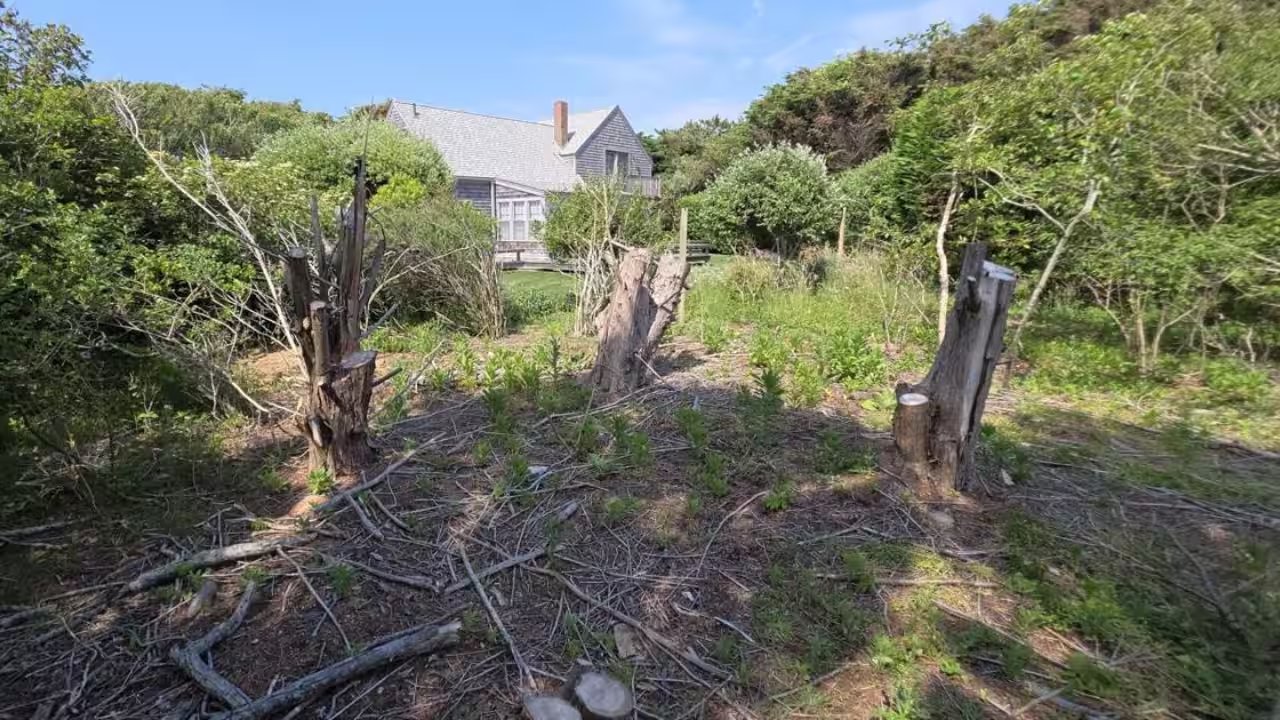
The trial judge ruled that the neighbour had unlawfully encroached on the couple’s property and willfully destroyed mature trees, violating Chapter 242, Section 7 of the Massachusetts General Laws.
The couple, representing themselves, submitted survey maps, photographs, and expert appraisals detailing the boundary lines and the value of each damaged tree, convincing the court that the trespass and tree loss warranted a substantial monetary award.
The neighbour filed an appeal, arguing that the trial judge misapplied the law and overestimated damages, but the Massachusetts Appeals Court rejected those claims, citing the trial record’s robust evidence and the trial judge’s credible findings.
The appellate panel reaffirmed that self‑represented litigants must meet the same evidentiary standards as attorneys, underscoring that a meticulous presentation of facts can overcome the advantages of legal counsel in complex property disputes.
The judgment, set at $310,000, includes damages for the destroyed trees and costs for restoring the encroached land, and the neighbour is now obligated to pay the full amount within the court‑determined period.
With the appeal closed, the case stands as the largest award to a self‑represented party in Massachusetts and signals that homeowners can prevail when they marshal clear evidence and apply the law correctly.