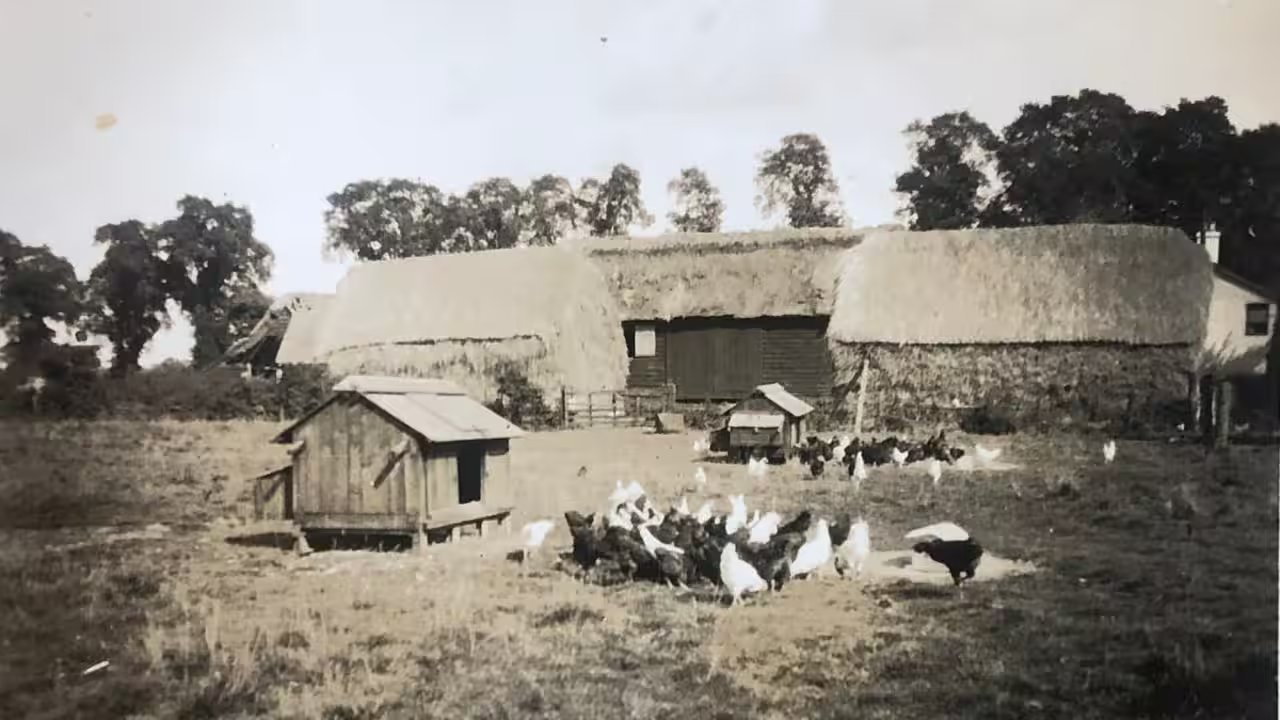
Duncan Clark DL, the chair of Braxted Park Estate, unveiled a 200‑acre nature‑recovery scheme on 5 September 2024, following a decade of ecological revival on a 50‑acre slice of the same land. The original parcel, left uncultivated after the Clark family abandoned farming in the early 1990s, sprouted scrub and oak seedlings that soon attracted rare species such as turtle doves and nightingales.
The new project dovetails with the UK’s Biodiversity Net Gain (BNG) framework, which obliges developers to deliver at least a 10% increase in local biodiversity. By supplying units from an off‑site habitat bank, Braxted Park gives developers a legal path to meet that requirement without erasing green space.
A 30‑year Section 106 agreement anchors the estate’s commitment, ensuring continuous monitoring and protection. Bidwells’ James Young will steer the commercial sale of the units, while its natural capital team will verify compliance with statutory rules.
Ground‑level stewardship is led by Mark Dronfield, a Braxted Park native who now oversees planting and habitat management. He recalls watching childhood hedgerows mature into the trees he walks beside today.
Conservationists such as Mark Nowers of the RSPB advise on creating turtle‑dove habitats. The 70‑hectare core of the project blends native grassland, scrub, and oak woodland, forming a corridor that promises long‑term ecological benefits.
The first batch of biodiversity units is slated for release on 1 January 2025, and developers in Colchester, Braintree, Maldon and Chelmsford are invited to meet their environmental obligations through the new scheme.