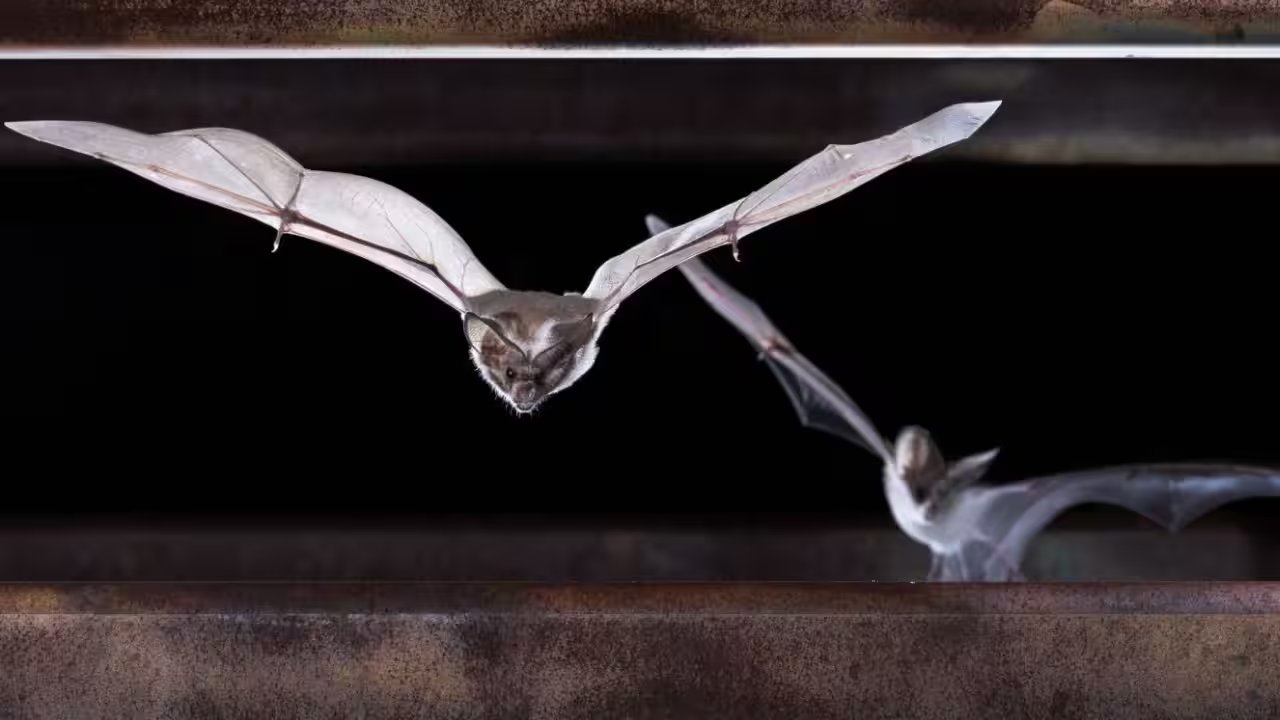
Bat Conservation International, working with federal and state agencies, has identified 500,000 abandoned mines across the United States as critical roosts for species such as Townsend’s big‑eared bats and California leaf‑nosed bats. These former gold, coal, and hard‑rock mines provide the dark, stable environments that natural caves cannot, especially in the western states where 60‑% of the country’s abandoned mines are concentrated.
The mines offer a refuge for a diverse array of wildlife, from foxes and weasels to snakes and owls, but their unstable rock, toxic gases, and potential for acid mine drainage create serious hazards for nearby communities. In rural West Virginia, residents near a former coal shaft have reported increased bat activity, prompting local authorities to install bat gates—horizontal bars that allow bats to fly while preventing human entry.
The U.S. Geological Survey’s USMIN project is compiling a national inventory of these hard‑rock mine features, drawing on data from federal, state, and tribal agencies. This inventory will enable risk assessments, guide land‑management decisions, and help prioritize sites for safety upgrades and ecological restoration.
While bat gates have proven effective at balancing public safety and wildlife protection, conservationists stress that ongoing monitoring is essential. The inventory will feed into a broader strategy to mitigate hazards, protect underground ecosystems, and ensure that the thousand of abandoned mines continue to serve as vital habitats.
The next milestone is the completion of the national inventory, expected in the next few years, after which authorities will roll out targeted closure and restoration projects across the most hazardous sites.