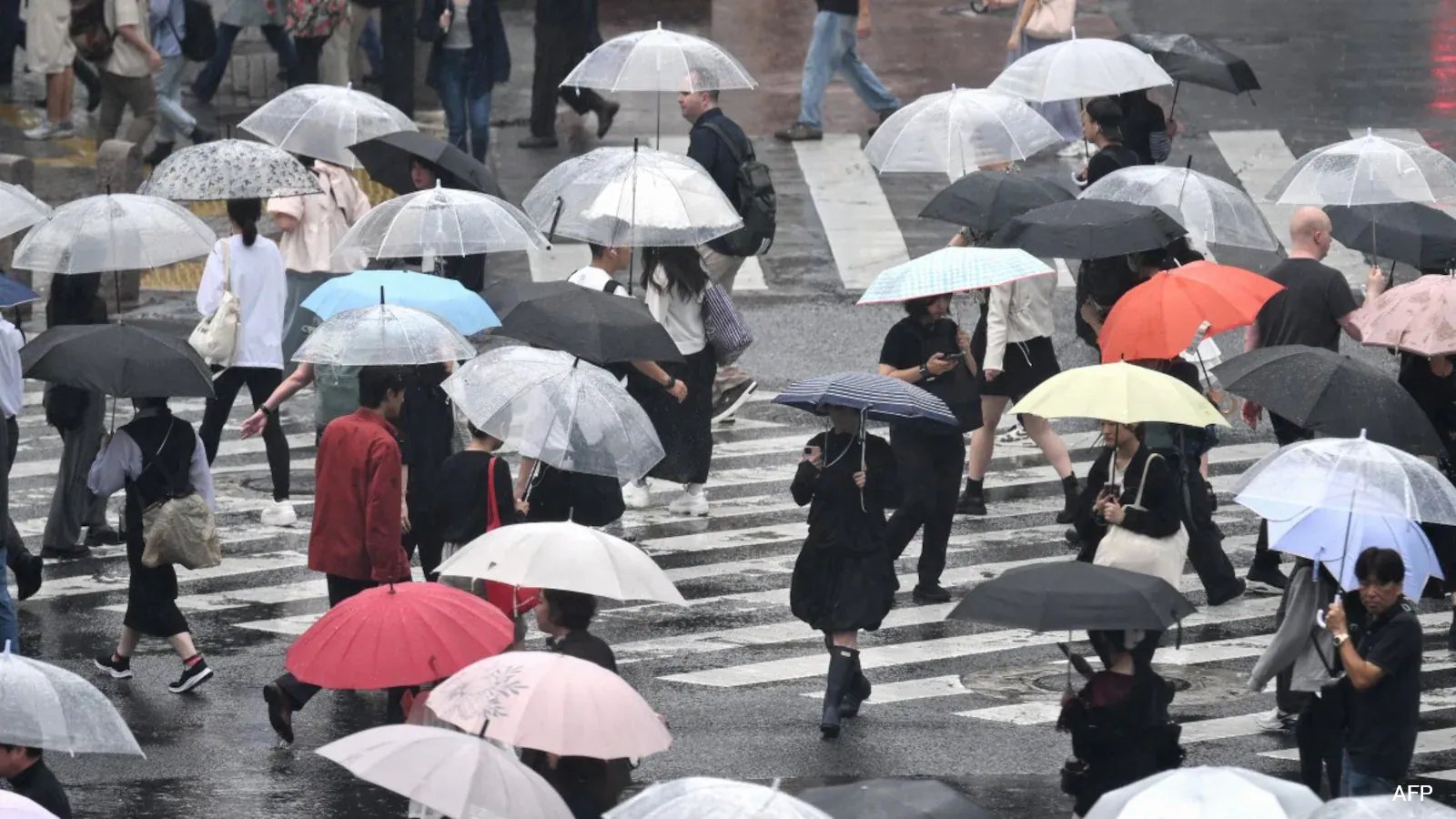
El Nino, the warm‑water phase of the El Niño‑Southern Oscillation, has surged ahead of its forecast peak in December, sparking extreme weather across the globe. In Tokyo, the capital's central districts endured 35 consecutive days of rain between 17 August and 21 September, the longest unbroken wet spell since 1886. The city’s Mainichi Shimbun reported that sunshine fell to a mere 45.8 hours during this period, recording the second‑lowest daylight total on record.
Meanwhile, the Atacama Desert—long considered the driest non‑polar region—was transformed into a riot of color. Over 200 species of seeds and bulbs, ranging from native Chilean orchids to exotic tulips, burst into bloom in September after record rainfall that topped 180 millimetres in some areas. Cesar Pizarro, head of Atacama biodiversity for Chile’s forestry body CONAF, said the precipitation levels had never been recorded since the 1950s.
The dual extremes are straining local economies. In Tokyo, vegetable prices rose by as much as 12 % amid the wet spell, while tourism agencies reported a sharp decline in visitors to shrines and parks. In Atacama, the unexpected floral display has attracted international photographers and eco‑tourists, offering a temporary boost to the region’s modest hospitality sector.
The World Meteorological Organization has warned that sea‑surface temperatures will reach record highs between October and December, and that El Nino will persist through February 2027. In response, the Japanese Ministry of Land, Infrastructure, Transport and Tourism has activated an emergency water‑management protocol, while Chile’s Ministry of Environment is coordinating with CONAF to monitor vegetation health and prepare for potential floods.
For residents in the valley of San Pedro de Atacama, the sudden bloom means a rare chance to see a million flowers in a place that usually sees only dust. Maria González, a local guide, said, "We’ve never had this many visitors in a week; the whole town feels alive."