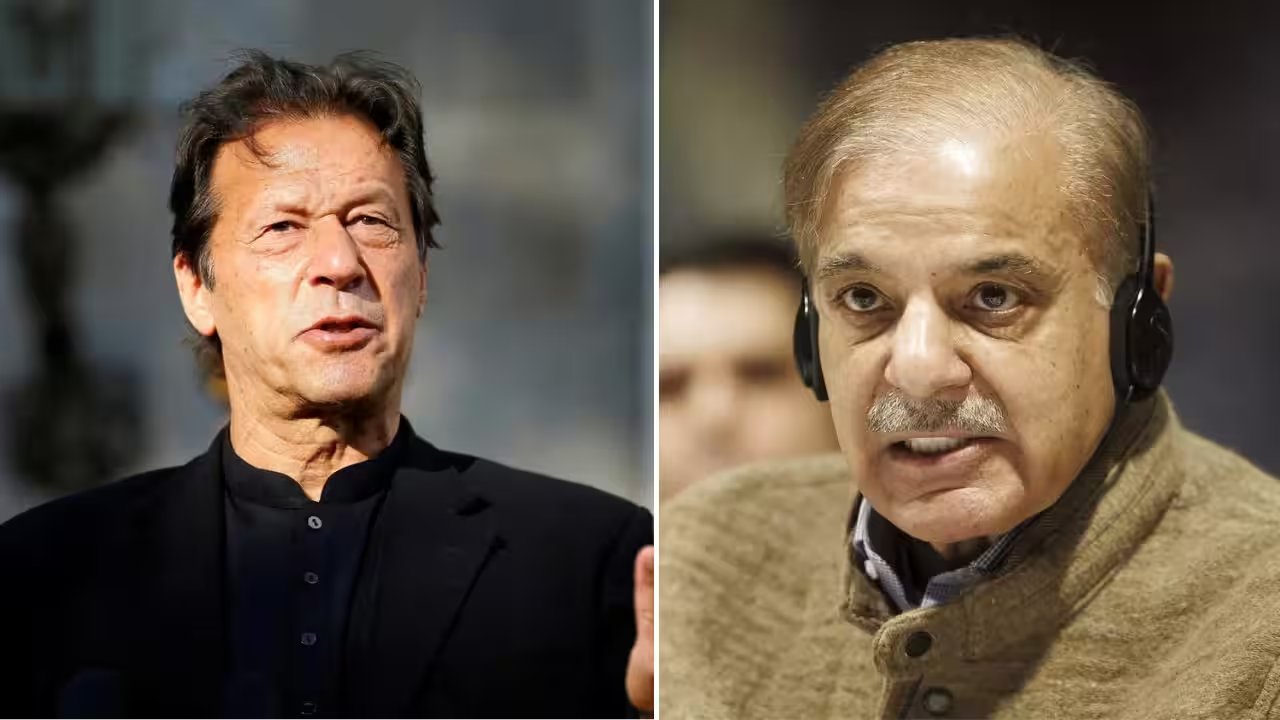
Shehbaz Sharif’s federal cabinet announced on early October 2026 that it had suspended the Pakistan Tehreek-e-Insaf‑led administration in Khyber Pakhtunkhwa, declaring governor’s rule for the province that houses 40 million residents. The decision came after a seven‑month stalemate between the federal government and the provincial PTI leadership, with the latter accusing the army of undermining democratic authority.
Khyber Pakhtunkhwa has long been the bedrock of Imran Khan’s political machine, with PTI winning over 60 % of the assembly seats in 2024. The province’s strategic border with Afghanistan and its history of militancy have made it a flashpoint for security policy and political rivalry. The Sharif government cited a deteriorating law‑and‑order scenario, but independent data from the Centre for Research and Security Studies shows 485 civilians and security personnel killed in the first nine months of 2026, a 16 % drop from 2025 yet still alarming.
Immediately after the decree, senior PTI figures were taken into custody. Chief minister Sohail Afridi, 37, and MP Junaid Akbar were arrested hours after the announcement; both were leading a long march demanding Khan’s release and protesting what they called unlawful military operations. PTI spokesperson Sheikh Waqas Akram blasted the arrests as politically motivated, saying the federal move was a "routine measure" that only served to silence dissent.
The interior ministry confirmed that the army would be deployed to assist the governor in governing the province and protecting public property. Talal Chaudhry, junior interior minister, said the decision aimed to restore security but added that it was a "temporary administrative measure." Soldiers are now posted along key routes and at government installations, a move that has intensified street protests.
Legal experts predict the decision will be challenged in Islamabad’s High Court, while opposition parties vow to continue demonstrations. The next court hearing is scheduled for early November, and the army’s presence may persist until the elections scheduled for 2027. The province’s political future now hangs in the balance between federal authority and PTI’s grassroots support.