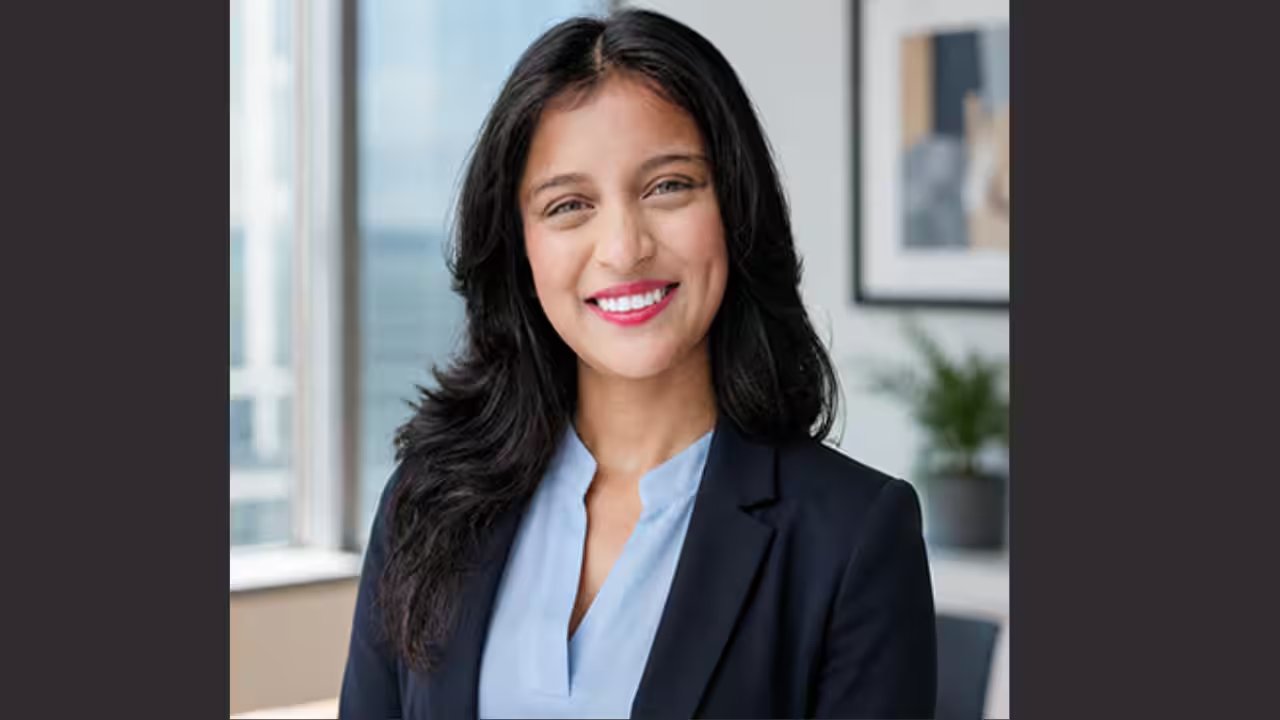
Finding a cure for frontotemporal dementia is notoriously difficult. The condition attacks the frontal and temporal lobes of the brain, gradually eroding a person's personality, language skills, and ability to make decisions. Currently, there are no effective treatments to slow its progression. Ahsan tackled this bottleneck not in a wet lab, but on a screen. She employed high-throughput virtual screening (HTVS), a digital method that tests millions of chemical structures against biological targets without the massive cost and time of physical laboratory testing.
Her strategy was sophisticated. By combining virtual screening with machine learning and molecular dynamics simulations, Ahsan could predict how strongly potential drug molecules bind to specific proteins and how stable those bonds remain over time. This dual-mechanism approach aims to address multiple disease-related processes simultaneously. Through rigorous digital filtering, her system whittled down the original library of more than 10 million molecules to a small, manageable group of promising candidates.
But how does a middle schooler master such complex bioinformatics? Ahsan is essentially self-taught. Her journey began with curiosity about AlphaFold 3.0, a tool used in AI-driven drug discovery. "I treated it like a puzzle," she said. "I kept learning bit by bit until it made sense." She studied public scientific resources and specialized neuroscience camps, piecing together the advanced data methods that drew praise from experts like Xiaoqian Jiang, chair of the Department of Health Data Science and AI at UTHealth Houston. Jiang noted that Ahsan’s work reflects a strong understanding of AI in biomedical sciences.
This independent research has now propelled Ahsan into the national spotlight. After competing in the Science and Engineering Fair of Houston, she was nominated by the Society for Science for the 2026 Thermo Fisher Scientific Junior Innovators Challenge. Out of thousands of participants, she secured one of only 30 spots for the national finals in Washington, DC. During the late-October event, she will present her findings to panels of scientists and engineers. While the top prize includes over $100,000 in scholarships, the real victory here is the validation that accessible computational tools can democratize early-stage drug discovery.
For patients and families dealing with frontotemporal dementia, this isn't just a student project; it's a glimpse into how AI is accelerating the search for viable treatments. While Ahsan's molecules are still in the computational phase and require extensive real-world testing, her work highlights the power of virtual screening to identify leads that might otherwise be missed. It’s a compelling reminder that the next breakthrough in neurodegenerative care might come from unexpected places, driven by curiosity and code.