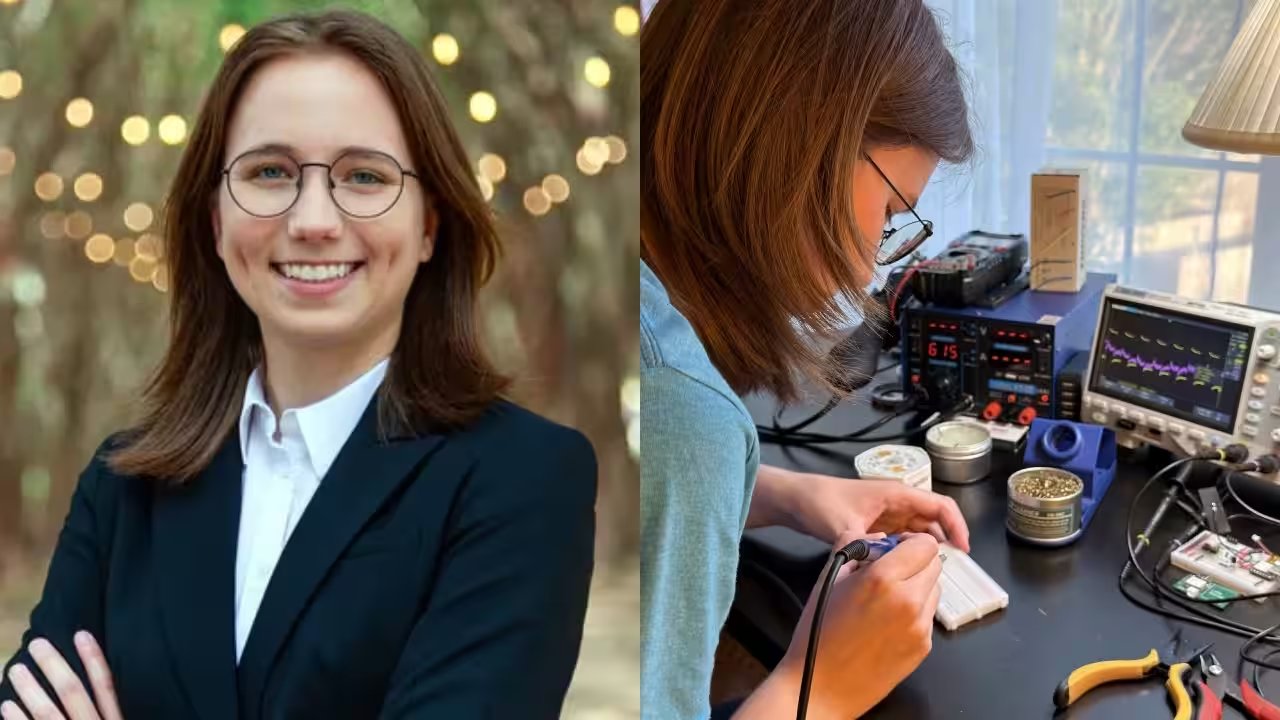
Maya Trutschl, a high‑school senior from Shreveport, turned a quiet ICU problem into a breakthrough. In just 150 hours of real‑world testing, her $130 thermal camera system spotted patients at risk of pressure injuries with 99 % accuracy, far ahead of the visible signs that usually appear after tissue damage has begun.
Bedsores are more than a cosmetic issue; they affect 2.5 million Americans yearly and claim about 60,000 lives in the U.S. alone. Hospitals spend roughly $26 billion on treatment, and the injuries often worsen the longer a patient remains in one position. Even a minor lapse in repositioning schedules can tip a patient toward a serious wound.
The system marries a machine‑learning model trained on the open MIMIC‑IV ICU dataset with a cheap thermal camera. The model learns to spot subtle patterns in vital‑sign data that precede tissue breakdown, while the camera watches the patient’s body temperature map to detect prolonged immobility. When the algorithm flags high risk, an alarm nudges the nurse to move the patient.
Because the alerts arrive before the skin turns red or blisters, the window for prevention widens dramatically. Nurses can intervene at the optimal moment, reducing unnecessary repositioning while still keeping patients safe. The low cost—under $130 per unit—means the technology could be deployed in both high‑volume hospitals and home‑care settings where caregivers lack medical training.
If you or a loved one are at risk for pressure injuries, talk to a healthcare provider about regular repositioning schedules and skin‑care protocols. Early detection tools like Maya’s promise to keep more people out of the beds of bedsores—and keep healthcare teams from spending precious time on damage that could have been prevented.