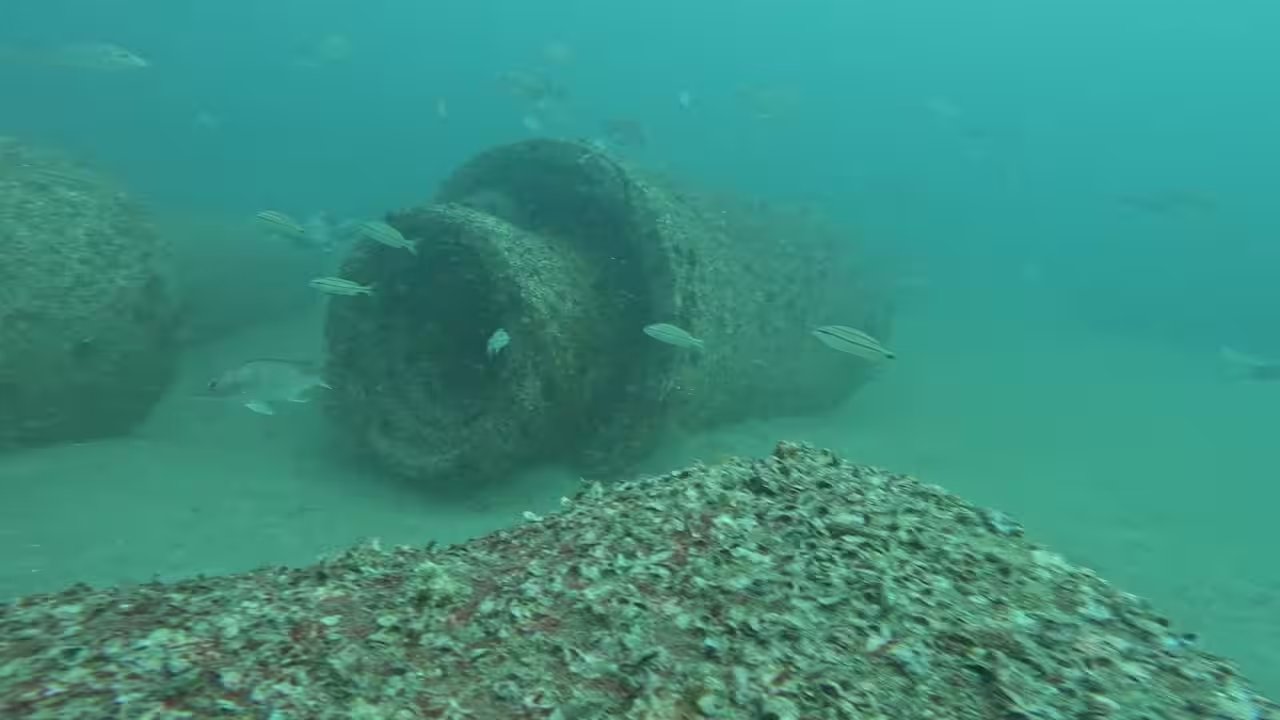
Crews dropped 159 tons of concrete pipes, junction boxes, and steel debris onto the Gulf seabed on March 19, 2026. The material, previously destined for landfills, now sits 72 feet deep, 6.08 nautical miles southwest of St. Andrews Pass. It’s a stark contrast to its previous life as industrial waste.
The Florida Fish and Wildlife Conservation Commission (FWC) officially logged the deployment as RESTORE Rubble 9 and 10. Precision matters here. The FWC records specify the exact tonnage and depth, moving beyond the rough "150 tons" estimate often cited in local media coverage like WJHG/WECP. This isn't just dumping trash; it's a permitted, engineered ecosystem intervention.
But why bury old pipes? University of Florida’s IFAS Extension explains the mechanism. Secondary-use concrete structures provide the hard surfaces algae, sponges, and corals need to attach. Over time, this complexity traps smaller invertebrates, which then draw in larger fish species. Erin Graham, the FWC’s artificial reef coordinator for the region, notes the personal stakes. "I grew up fishing and diving here," she said. "This gives the water more structure, and gives people more to see."
The project fits into a broader statewide strategy. Florida already maintains thousands of artificial reefs in state and federal waters. These installations support the coastal economy by boosting recreational fishing and diving tourism. The new site near Panama City Beach adds to that network, turning a disposal problem into a habitat solution.
Marine biologists expect colonization to begin within the first year. The structures will slowly transform from inert debris into a functioning underwater community. For now, the 159 tons sit silent on the seabed, waiting for the first polyp to claim its territory.