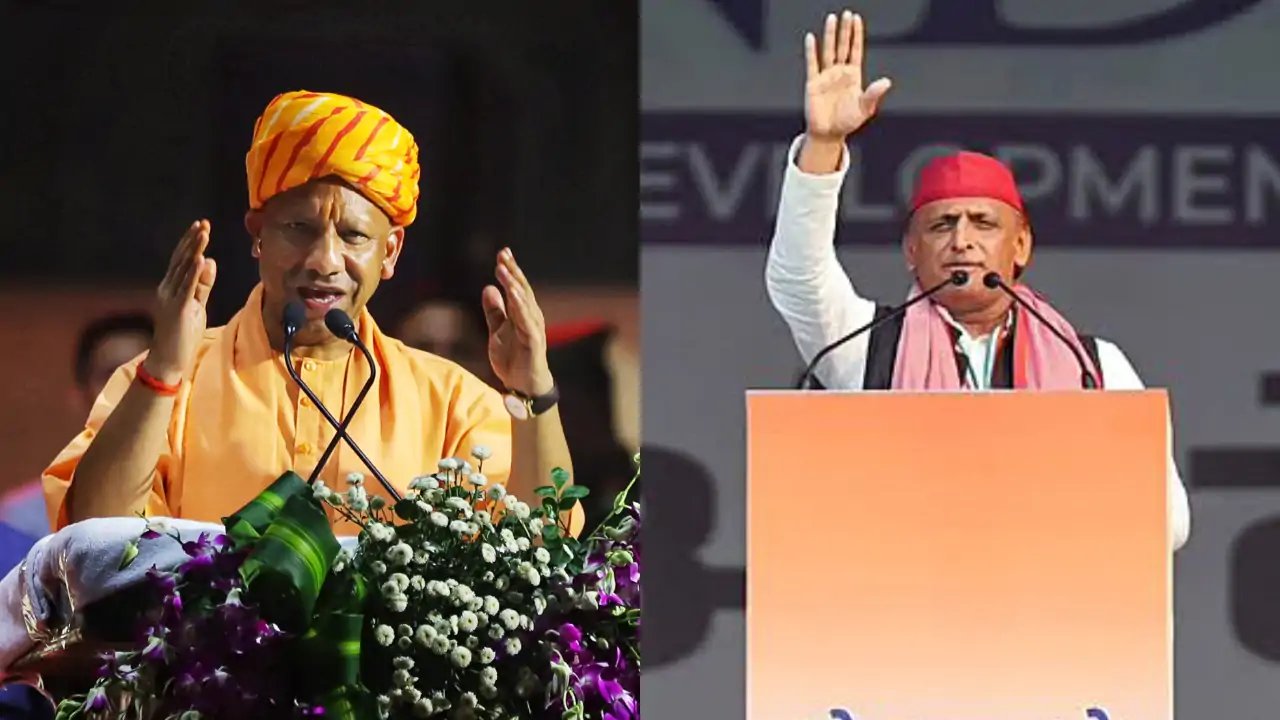
LUCKNOW — Samajwadi Party chief Akhilesh Yadav turned Chief Minister Yogi Adityanath's own rhetoric against him, seizing on the Chief Minister's claim that over 1.27 crore Hindu voters vanished from Uttar Pradesh draft electoral rolls following the Special Intensive Revision exercise.
Yadav fired back with an old Hindi proverb. Only the wearer knows where the shoe pinches. For months, opposition leaders across Lucknow insisted that election rolls suffered arbitrary purges and systemic errors. Now, the head of the state government is voicing identical complaints. In a pointed digital challenge, Yadav dared Adityanath to repost the Samajwadi Party's earlier warnings from his official social media handle if he genuinely believed millions had been struck from voter registries.
Adityanath triggered the political firestorm during a broadcast interview, asserting that 1.27 crore Hindu names had disappeared from state voter lists following the revision drive, while the proportion of Muslim voters ticked up by 1.65 percent. The Chief Minister simultaneously revived his contentious "80:20" formulation ahead of the 2027 Assembly elections, framing the upcoming contest as 80 percent of the electorate backing nationalism, security, and good governance under the ruling coalition, against a remaining 20 percent aligned with the opposition.
Yadav inverted the math. He insisted the formula signals that the Bharatiya Janata Party-led alliance will scrape together barely 80 seats when voters return to the booths, crushed by his coalition of Backward Classes, Dalits, and Minorities—the PDA alliance.
Voter roll integrity has become a boiling flashpoint across the state. The Samajwadi Party has dispatched multiple party delegations to election authorities, filing formal petitions that allege targeted deletions and improper additions during roll updates. Uttar Pradesh election authorities have stood firm, dismissing allegations of deliberate disenfranchisement and maintaining that the Special Intensive Revision follows strict statutory safeguards.
The stakes are immense. The ruling National Democratic Alliance has held Lucknow since 2017, and the Samajwadi Party stands as its central challenger. With the next Assembly mandate arriving in early 2027, the battle over who gets onto the ballot—and who gets left off—has already consumed the campaign trail.