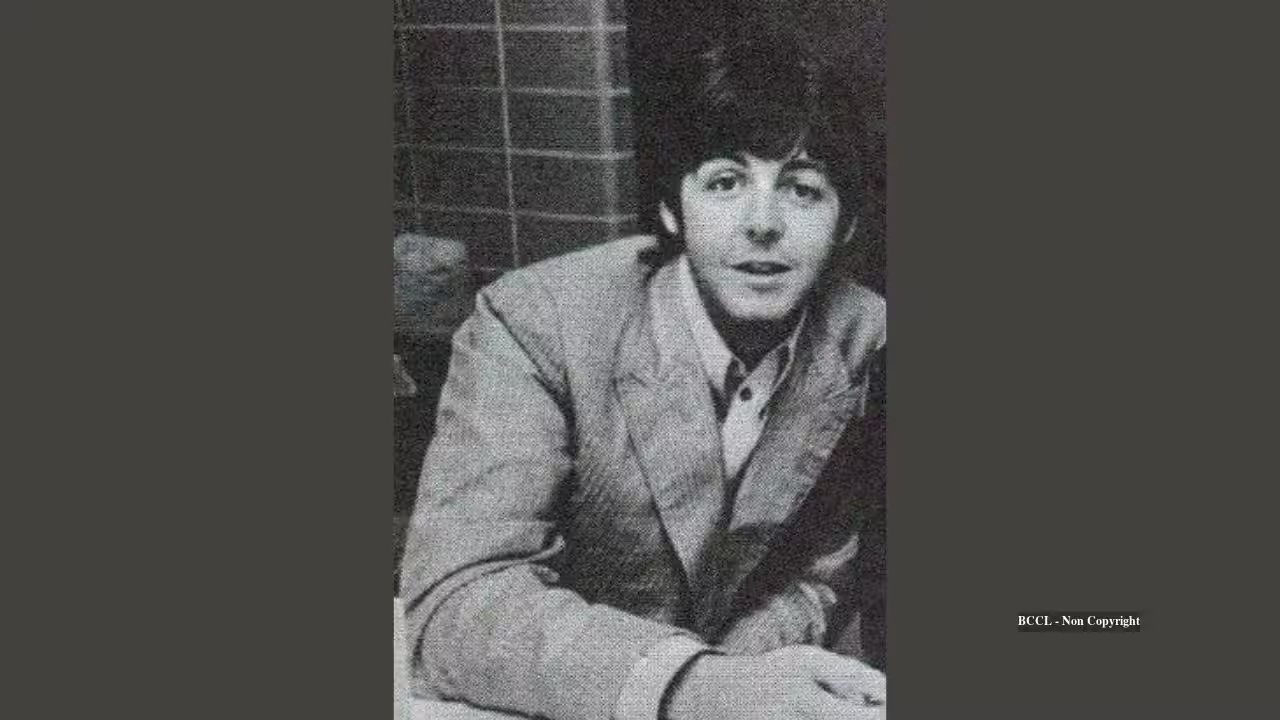
Sir Paul McCartney stood before a crowd of 400 graduates on July 21, not just as a patron, but as a witness to a structural shift in British arts education. For the first time, the Liverpool Institute for Performing Arts (LIPA) awarded degrees bearing its own name. This wasn't a symbolic gesture. It was the culmination of a 30-year journey that began in a former boys' school and ended at the Liverpool Experience Campus with students from 28 nations, including Colombia, India, and Mexico, holding credentials that now carry independent institutional weight.
The ceremony marked LIPA's 30th anniversary, a milestone Principal Professor Sean McNamara described as the point where the institute stopped being a training ground and became a degree-granting university-level body. The student body reflected that global reach. These weren't just local arts students; they were a cross-section of the international creative workforce, trained in acting, filmmaking, and sound technology under a curriculum designed to break down silos between performers and producers.
The most poignant moment belonged to Lynette Howell Taylor. She returned to the stage as the Academy of Motion Picture Arts and Sciences president, having graduated from LIPA's management degree in 2000. Since then, she produced over 25 films in Los Angeles, including 'A Star Is Born.' For her, the return was less about nostalgia and more about validation of the institute's cross-disciplinary model. She credited LIPA's teachers with challenging her to explore the intersection of art and business, a skill set that launched her Hollywood career.
McCartney used the occasion to award LIPA Companionships to five industry leaders, including 'Line of Duty' star Stephen Graham and 'Paddington: The Musical' composer Tom Fletcher. These honors aren't just trophies; they signal the institute's deepening integration into the professional creative economy. By linking current students with established figures like Graham, who has won BAFTAs, Emmys, and Golden Globes, LIPA is reinforcing a network effect that extends far beyond Liverpool's city limits.
As the institute enters its fourth decade, the focus shifts from celebrating the past to funding the future. The first LIPA degrees set a precedent for how the institution will market itself globally. With alumni now holding senior positions in film, theatre, and music management, LIPA is poised to expand its influence. The next 30 years will test whether this local legacy can sustain its global ambition, but for now, the class of 2026 has proven the model works.