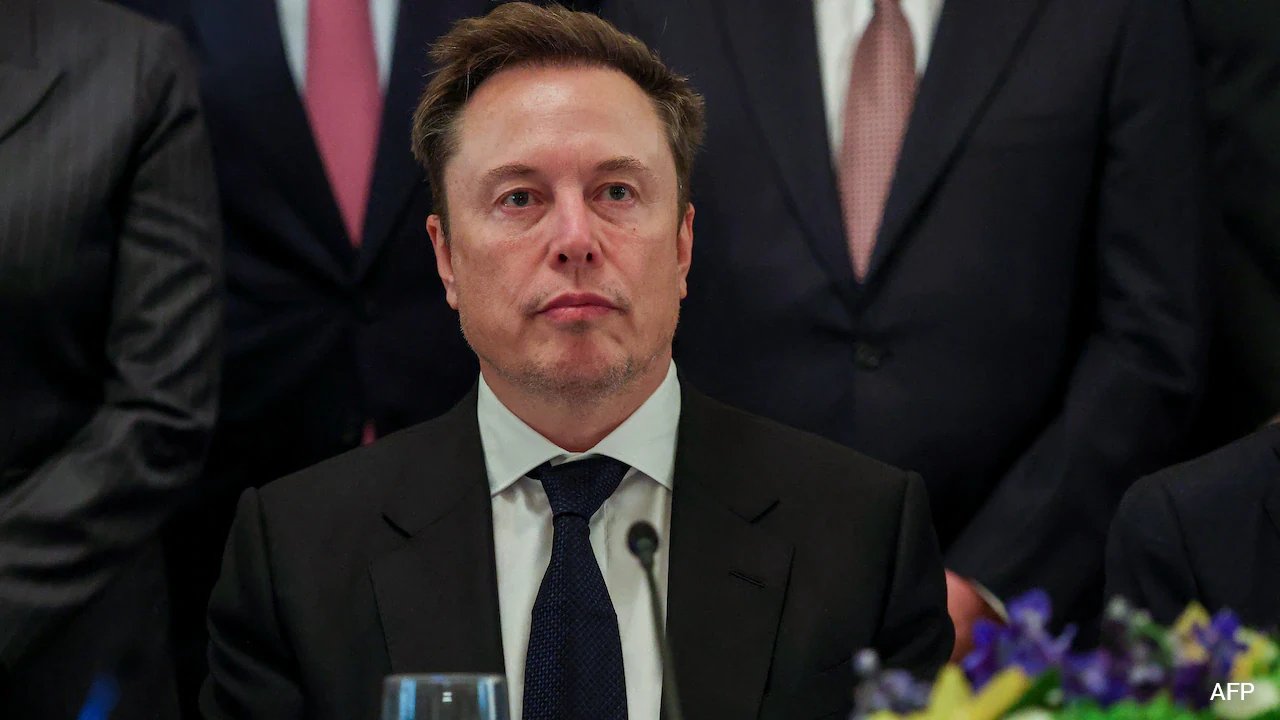
Elon Musk said on Tuesday he supports a merger between SpaceX and Tesla, a move he described as a "good idea" despite admitting he was "tap dancing through a minefield." The remarks landed just as SpaceX released its first profitable quarterly report since its June IPO, revealing a net income of $4.4 billion for the July-September period. The turnaround was driven largely by its AI division, now branded "Super Intelligence," which generated $7.6 billion in revenue—a ninefold increase from the previous year. This unit has overtaken Starlink as the company’s primary revenue stream, fueled by massive cloud computing deals.
Musk, who serves as CEO of both companies and controls 82 percent of SpaceX voting power, clarified that he is recusing himself from the merger negotiations due to a conflict of interest. Special committees of independent directors at both firms have been established to study the proposal at the request of shareholders. However, Musk cautioned that no terms have been agreed upon and that any final deal requires approval from a majority of all Tesla shares, not just those voting, which he called a "quite a high hurdle."
The financial engine behind the profit is SpaceX’s AI infrastructure. The company signed a contract with Anthropic in May for nearly $45 billion over three years for computing power, and Google agreed in June to pay $920 million monthly from October through June 2029. These deals propelled the AI unit to an operating profit of $431 million, reversing a $1.7 billion loss from the same period last year. Meanwhile, Starlink’s revenue grew 69 percent to $5.2 billion, with subscriber counts reaching 13.6 million, though average monthly revenue per user dipped to $69 from $83.
SpaceX has not stopped expanding its compute capacity. The firm’s computing power reached 1.7 gigawatts in the quarter, up from 0.6 gigawatts a year earlier. Musk stated he is "fairly confident" SpaceX can bring an additional 10 gigawatts online in 2027, though he noted that power, cooling, and electrical equipment remain limiting factors. The company also completed the first revenue-generating flight of its Starship rocket, which placed 26 next-generation Starlink satellites into orbit.
The market reacted quickly to the earnings and merger talk. SpaceX shares jumped nearly 5 percent in after-hours trading following Musk’s comments on the analyst call. The next critical step lies with the independent committees, which must determine if a merger is feasible before presenting any terms to shareholders for the rigorous majority vote required.