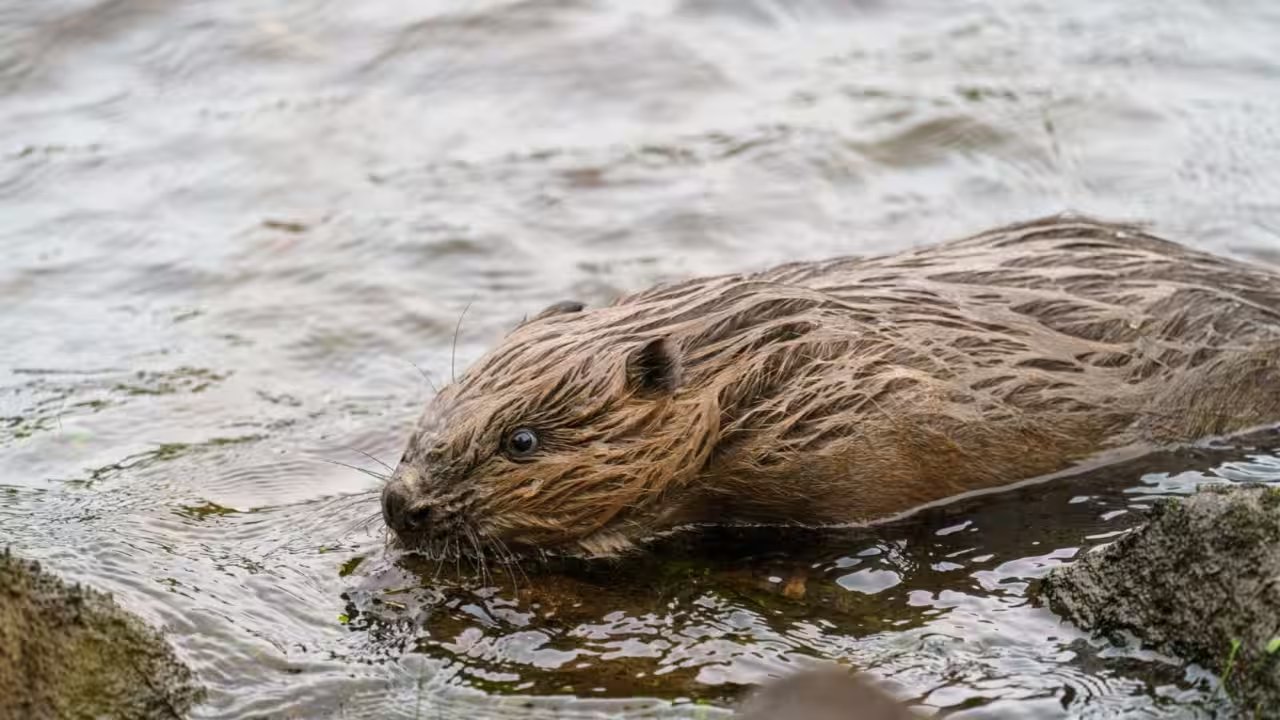
The five-century silence in the Scottish Highlands is about to break. NatureScot, Scotland’s public nature agency, has officially greenlit the Ness Beaver Project, allowing conservation charities Trees for Life and the Beaver Trust to reintroduce wild beavers to the Loch Ness catchment. This is not a symbolic gesture; it is a regulated, three-year operation involving the release of up to 15 family groups into waterways across the River Ness basin. The first families could hit the loch within weeks.
The decision follows a rigorous assessment of environmental suitability, a process that began in 2022 when the agency identified the Loch Ness catchment as one of Scotland’s prime candidates for beaver habitation. Jenny Bryce, beaver team manager at NatureScot, emphasized that the approval hinges on strict mitigation plans. “We have assessed the monitoring and mitigation plans set out by the applicants and believe that, along with our existing Beaver Mitigation Scheme, any potential conflicts that may arise can be resolved,” Bryce said. The agency’s stance is clear: beavers are protected, and relocation is the management tool of choice, not culling.
But this return isn’t without friction. Beavers are notorious for damming streams and felling trees, actions that often clash with local forestry and farming interests. Anticipating these conflicts, the project teams conducted extensive consultations with Highland communities and landowners before the licence was granted. Trees for Life has appointed dedicated beaver management officers to work directly with farmers, offering support such as protective tree wraps and water flow control devices. Under NatureScot’s support scheme, property owners can access free expert advice to handle localized flooding or timber damage, a safety net designed to keep community support intact.
The ecological stakes are high. Eurasian beavers were hunted to extinction in Scotland during the 16th century, primarily for their fur and castoreum. Their disappearance left a vacuum in the local ecosystem; without their natural dam-building, wetlands degraded, affecting native fish, birds, and water plants that had relied on those habitats for millennia. The reintroduction aims to restore these natural flood defenses, improve water quality, and slow the flow of rainwater into the Great Glen’s rivers.
Field teams are currently finalizing transport logistics and preparing specific release sites between Fort Augustus and Lochend. Every beaver selected for the project undergoes strict health checks before relocation. The first families are expected to be released before the end of the year, marking a definitive shift in Scotland’s approach to wildlife restoration and offering a live experiment in coexistence between ancient species and modern land use.