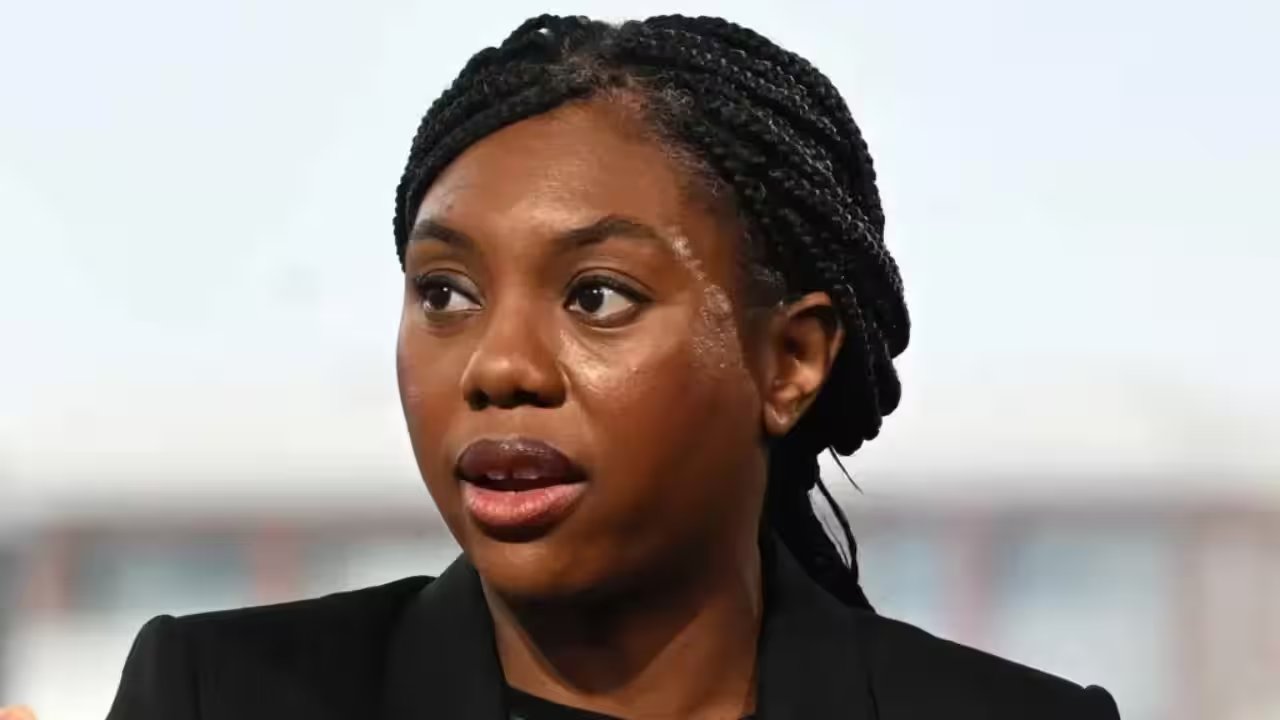
Kemi Badenoch launched a scathing attack on the government’s plan to apologize for the transatlantic slave trade, calling the move a “navel-gazing distraction” that risks opening the door to endless financial claims. Speaking to Sky News on Sunday, the Conservative leader drew a hard line against Prime Minister Andy Burnham, who announced his willingness to consider an official apology ahead of the Commonwealth Heads of Government Meeting (CHOGM) in Antigua and Barbuda. Badenoch argued that focusing on historical grievances will derail the summit’s agenda of future cooperation, instead allowing campaigners to use the moment to demand cash from British taxpayers.
The political rift is sharp. Burnham, in a recent article for The Guardian, framed his position as a moral imperative rather than a legal liability. He explicitly ruled out direct financial reparations, arguing that modern Britons cannot be held responsible for actions of their ancestors. His proposed alternative is pragmatic: exploring ways to help poorer nations restructure their debt on more favorable terms. This is a calculated move to address economic disparity without accepting legal liability for the slave trade.
Badenoch rejected this nuance entirely. She told the broadcaster she is worried the CHOGM summit will become “yet another opportunity for people to start asking Britain for money.” Her campaign strategy leans into a broader historical argument, insisting that slavery involved participants from every continent, including African kingdoms and merchants. She suggested that former prime minister Tony Blair’s statement of “deep sorrow and regret” from nearly two decades ago remains sufficient, and that further apologies are unnecessary.
The stakes are high in Antigua. King Charles III is currently touring the region, having visited a site in Guyana associated with an enslaved people’s rebellion. Caribbean leaders are expected to raise reparatory justice at the summit, making the domestic disagreement in London a potential embarrassment for the crown and the government. The British government has never issued a formal apology or agreed to pay reparations, but Burnham’s openness has reignited the debate.
The final decision on whether to issue a formal apology rests with Burnham, but Badenoch’s intervention signals a deep fracture in the party. As the CHOGM summit approaches, the focus will shift from debt restructuring to the political fallout of a divided leadership on one of the Commonwealth’s most sensitive historical issues.