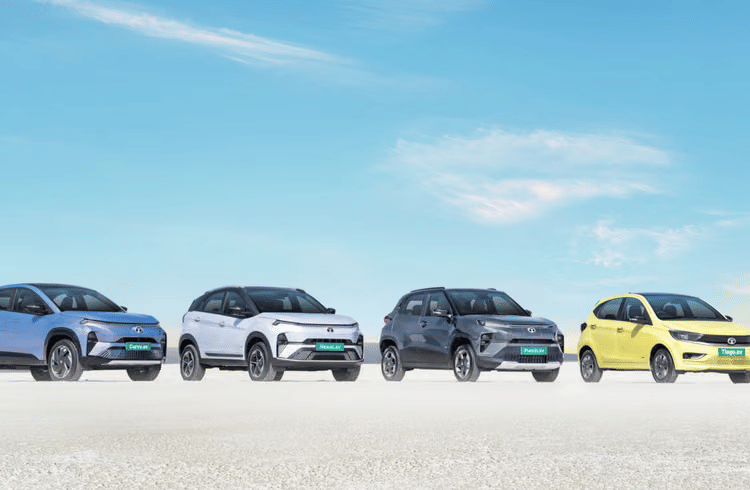
Curvv SeriesX’s debut in the July–September quarter didn’t just add a new model to Tata’s lineup – it lit a fire under the brand’s entire sales engine, pushing the company past 200,000 units for the first time in a decade.
In that same three‑month stretch, domestic sales hit 196,674 units, up 40% from 140,189 a year earlier, while international shipments climbed 20% to 5,049 units. The jump overseas shows Tata’s growing foothold in markets that crave affordable, low‑emission cars.
September was a milestone: 70,210 vehicles sold, the first time a single month crossed the 70,000‑unit threshold since 2025. Domestic sales alone were 68,810, a 15% rise, and the 1,400 international units reflect steady demand beyond India’s borders.
Electric and CNG volumes are the real buzz. EVs reached 47,150 units in the quarter – a 90% surge – making up 23% of total sales, well above the industry average of 8%. CNG models hit 28% of the volume mix, so together green powertrains now account for 51% of Tata’s sales.
GST 2.0’s tax cut for cars, effective last year, is a key driver of this uptick, according to CEO Shailesh Chandra. Coupled with the launch of Curvv SeriesX, Sierra Legend Series, and Tata Aeris, Tata’s new identity TATA.CARS is carving out a stronger online presence and a healthier order book for the festive season.
What does this mean for the next‑gen buyer? Tata’s production lines are ramping up, and the Curvv SeriesX is slated for city‑wide availability by early 2027. Keep an eye on pricing, boot space, and range figures as the model rolls out, and watch how Tata balances its EV and CNG offerings against rivals like MG and Hyundai.