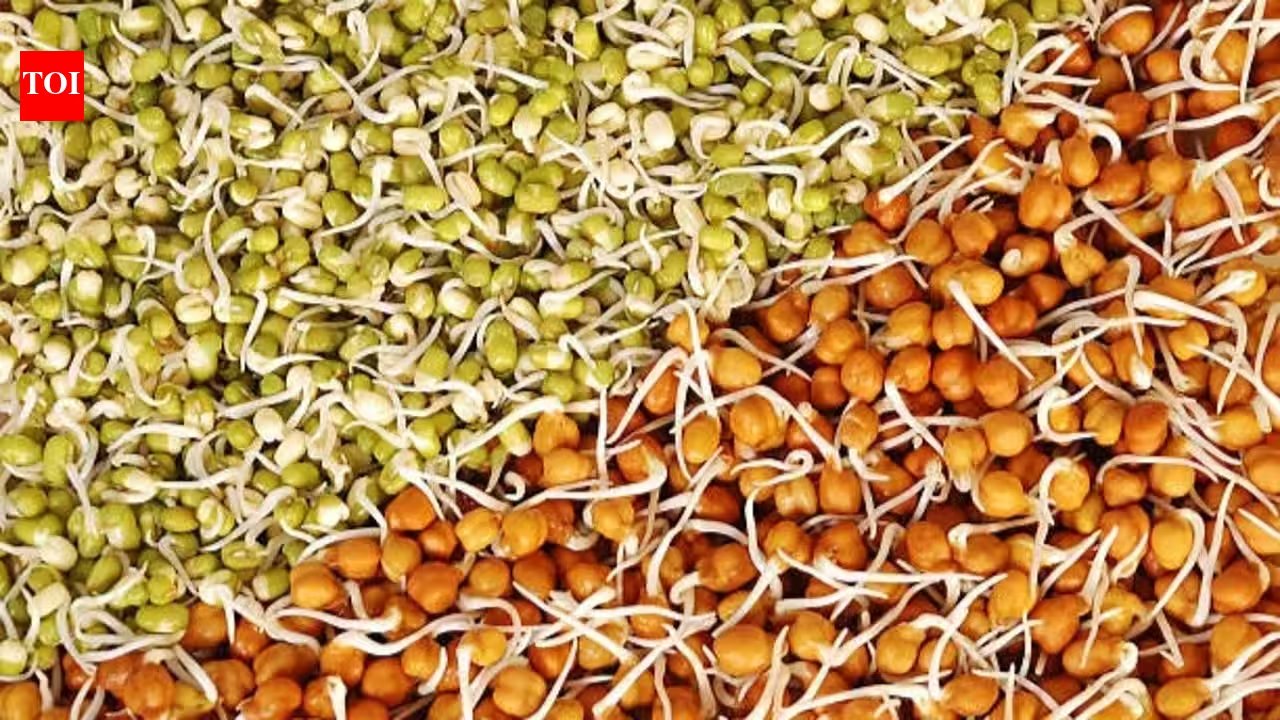
The problem isn't your seeds; it's the temperature. When the air drops below 15°C, enzymes responsible for germination slow to a crawl, leaving you with hard, sour kernels after three days. The fix is creating a micro-climate. Soak your moong and kabuli chana in lukewarm water—warm to the touch, not hot—for 8 to 12 hours. Drain them thoroughly because trapped water is the number one cause of spoilage in winter.
Once drained, wrap the seeds in a damp muslin cloth or place them in a perforated container; never seal them in plastic, which traps anaerobic bacteria. The real game-changer is location. Move your setup to the warmest spot in your kitchen. This could be on top of a running refrigerator, near (but not on) a gas stove, or inside an oven with just the light bulb on. That ambient heat accelerates the process significantly.
Rinse the bundle with lukewarm water twice a day to keep the enzymes active and the seeds clean. Moong is fast; you'll see those white tails—about half an inch long—within 24 to 36 hours. Chana is stubborn, often needing 48 to 72 hours. If they smell sour or feel slimy, toss them immediately. Fresh sprouts should smell neutral, like clean water and earth.
For the crunchiest results, use them within a day of sprouting. If you need to store them, refrigerate in an airtight container for up to three days. A quick safety note: if you're cooking for kids, seniors, or pregnant women, lightly sauté or steam the sprouts. Raw sprouts carry a higher bacterial risk in moist conditions, and a 30-second sear in a hot pan kills that risk while keeping the texture crisp.