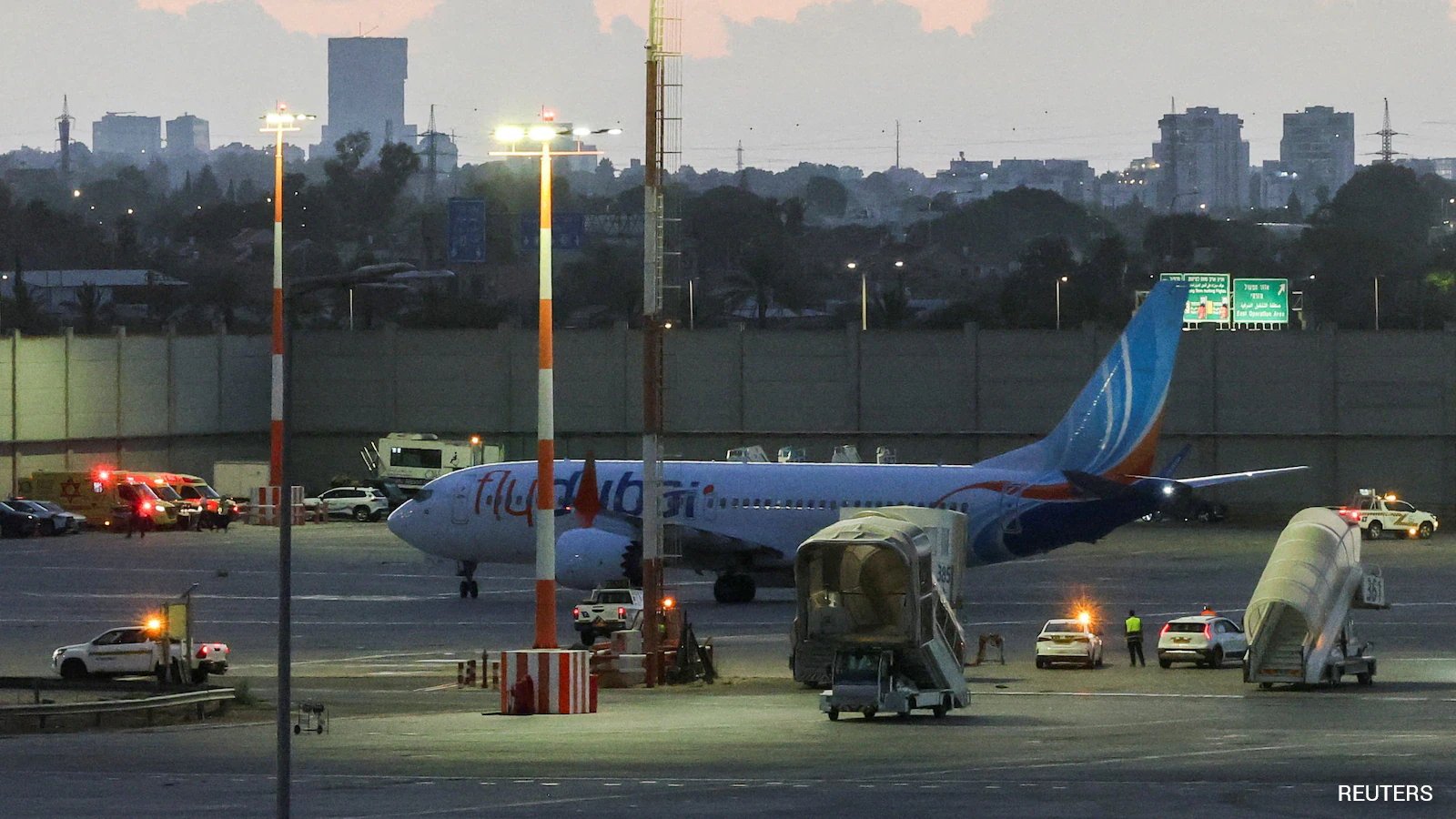
UAE prosecutors said the flydubai co‑pilot was radicalised while studying in Australia, citing extremist literature and online content that glorified terrorist attacks. They claim he drew inspiration from the 9/11 suicide bombings and that he was acquainted with a Lebanese‑run organisation called "My Centre" managed by Abu Hamza.
The incident on September 30 saw the co‑pilot use an emergency axe to attack the Indian captain, Smit Machchhar, who fought back and attempted to call for help. Passengers and a cabin crew member intervened, restraining the suspect and allowing the plane to return safely to Tabuk Airport in Saudi Arabia.
In a video posted to social media, the Melbourne imam criticised the accusations, saying "false accusations" were being made and that those who are righteous are often abused and killed. He declined to comment directly on the UAE prosecutor’s findings.
Australian police have opened an investigation into the imam’s alleged ties to the co‑pilot, while intelligence services are reviewing his connections to the UAE. The co‑pilot remains in custody in the UAE, and the case will likely go to a court hearing in the coming weeks.
For the families of the passengers and the captain, the incident has left a lasting scar. The captain, who survived the attack, has spoken about the trauma endured on that flight, while a passenger who was injured has been under medical care for weeks.
The next step will see Australian authorities working with UAE officials to determine whether any extradition requests will be filed, and whether the imam will face legal scrutiny for alleged links to extremist networks.
The investigation highlights the broader challenge of tracking radicalisation pathways among overseas students and the role of community centres in either curbing or inadvertently fostering extremist ideologies. The outcome of this case may set a precedent for how international cooperation will handle similar incidents involving aviation security.
Meanwhile, the flight crew’s quick response has been praised by aviation safety experts who say the incident could have escalated into a full‑blown disaster if the co‑pilot had succeeded. The airline has pledged to enhance cockpit security measures following the event.
This case underscores the need for vigilant monitoring of extremist content and the importance of transparent communication between law‑enforcement agencies across borders.