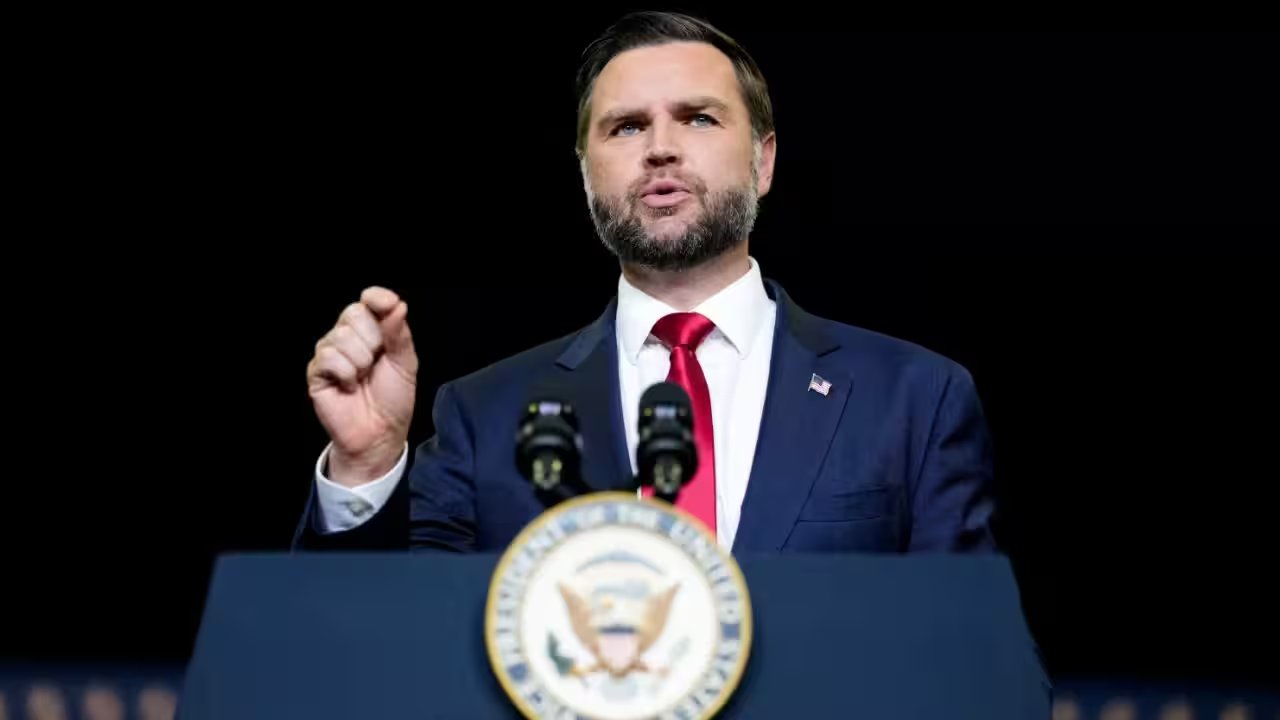
Vance took responsibility for his wording when he addressed a CBS News town‑hall audience, saying, “I would say, and to the extent that my rhetoric has been imperfect here, that’s on me.” The remark followed criticism from an Indian immigrant, a U.S. citizen for five years, who had voted for President Donald Trump.
India’s Ministry of External Affairs (MEA) blasted the comments as "unwarranted" and "deeply offensive," noting that the terminology carried painful historical and colonial connotations. The MEA emphasized that Indian professionals contribute to the U.S. economy and innovation ecosystem, and that talent mobility benefits both nations.
Earlier this month, Vance had called H‑1B workers "indentured servants" and accused foreign‑outsourcing firms of undercutting American wages. He claimed those workers earned $20,000 less than Americans in comparable roles, and that employees hired by outsourcing companies earned $48,000 less. The Trump administration had already suspended eight firms—TCS, Infosys, Wipro, HCLTech, Cognizant, Capgemini, Microsoft, and Adobe—from the PERM programme.
Vance explained that the H‑1B visa system ties a worker’s legal status to the employer, allowing companies to exert excessive control. Losing a job could mean losing the right to stay in the country, effectively making workers vulnerable to being "shipped back" to their home nations.
India is expected to raise the issue at the upcoming UN Human Rights Council meeting, while U.S. officials may issue a clarification on the H‑1B policy to quell diplomatic tensions.