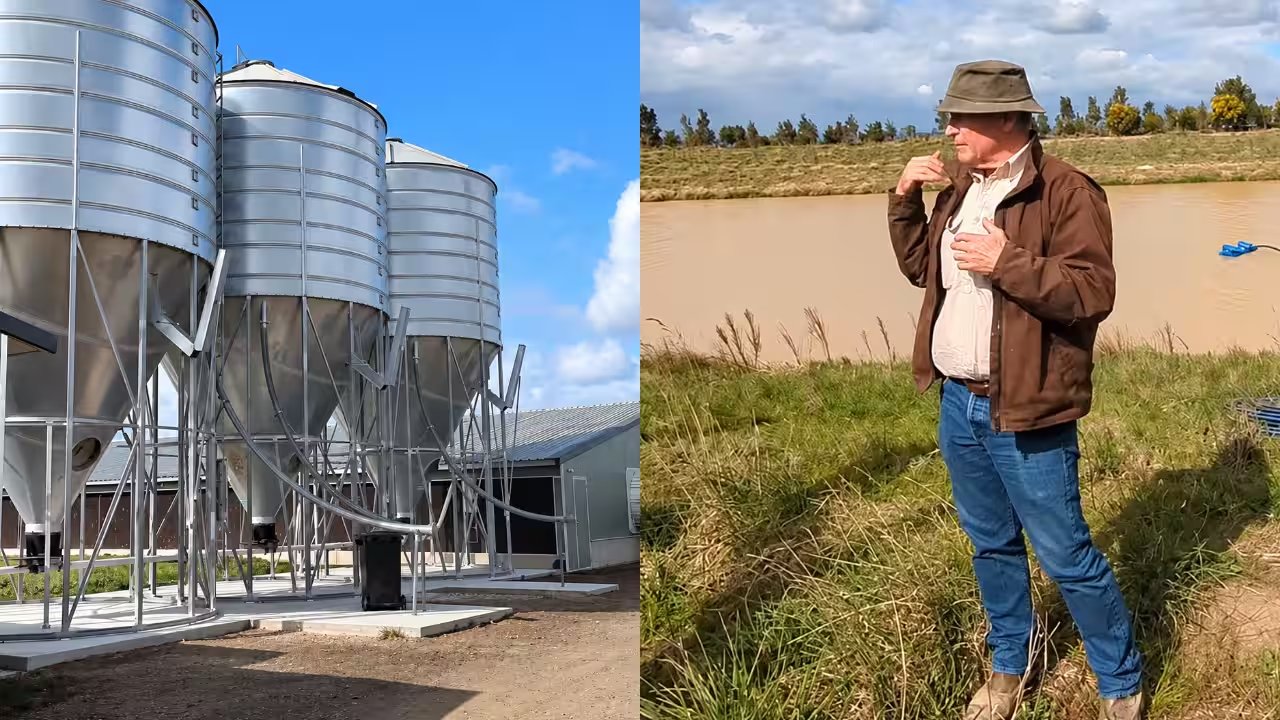
Chris Freney, a poultry farmer in Toongabbie, Victoria, unveiled a proposal to process 35,000 tonnes of chicken litter each year in a state‑of‑the‑art anaerobic digester that would produce biogas, fertilizer and a natural blue dye. The plant would generate 8‑8.5 MW of electricity, enough to power roughly 1,200 homes, and would use the surplus to feed the local grid during peak demand.
The digestion process breaks down organic matter in an oxygen‑free chamber, releasing methane that is captured and combusted in an engine linked to a generator. The remaining digestate is rich in nitrogen, phosphorus and potassium, making it ideal for use as a high‑value fertilizer.
Freney's design also incorporates a spirulina cultivation unit that uses recovered nutrients to grow the blue‑green algae, which can be harvested for phycocyanin pigment. The pigment is already approved as a natural food colourant in several markets, offering an extra revenue stream.
While the project holds an environmental development licence for a 15,000‑tonne facility with a 1.1 MW unit, Freney plans to scale up to the larger capacity, a move that requires additional approvals and a construction timetable that could see the plant operational by 2028.
Industry analysts say the commercial viability will hinge on algae yields, processing costs and market demand, but the pilot phase could demonstrate the technology's scalability and attract investment from agribusinesses and renewable‑energy funds.