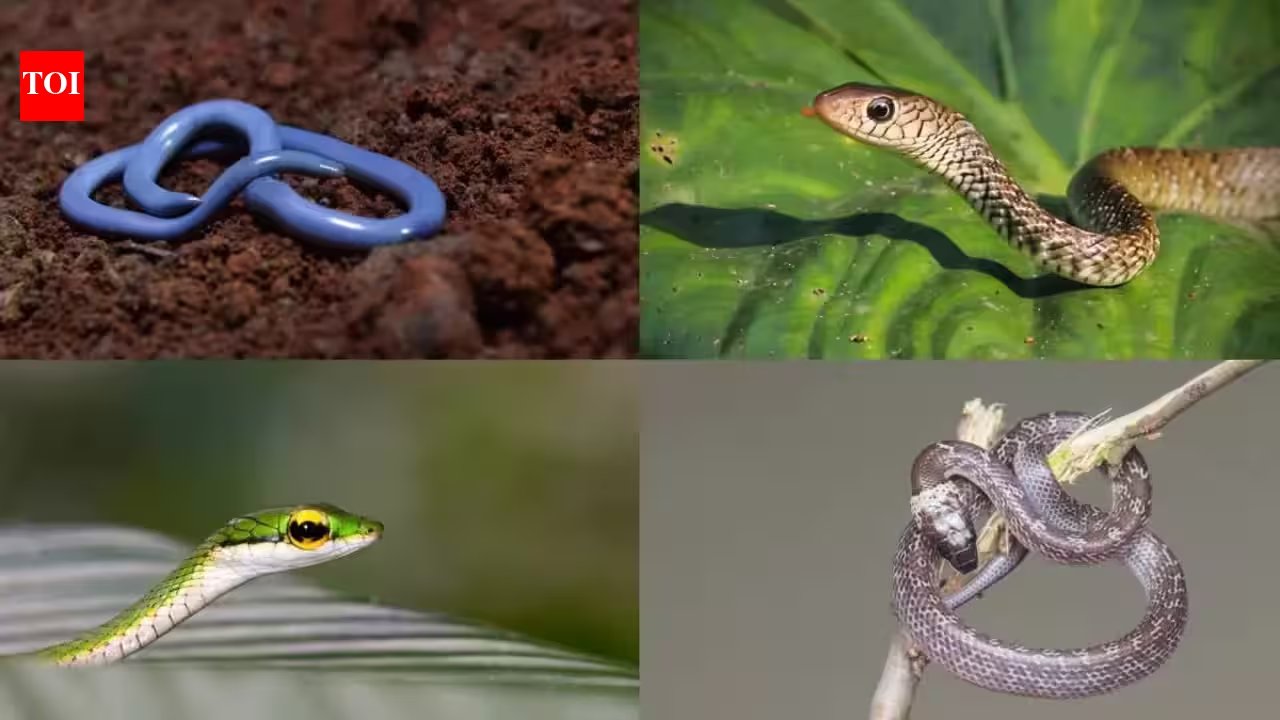
If you love a lush balcony, you might be ignoring a hidden guest—one that slithers silently among your favorite ferns.
That first suspect is the flowerpot snake: a tiny, shiny dark brown snake that burrows in loose, damp soil. It’s often mistaken for an earthworm until you lift a pot and see its slick scales. The good news is it’s harmless and usually leaves when the pot’s moved.
Next up is the checkered keelback. Picture a dark‑and‑light square pattern like a chessboard on a wet leaf. It thrives near water—ponds, drains, or overwatered beds—and hunts frogs and fish. Though it can flatten its neck when startled, it poses no threat to humans.
The common wolf snake is a small, brown critter with pale cross‑bands, frequent in cracks, under stones, and behind pots. It prowls at night for geckos and lizards, and its markings sometimes resemble a krait, leading to unnecessary fear. Remember, it’s non‑venomous and helps keep pest populations down.
The green vine snake flaunts a slender, bright green body that blends perfectly with shrub leaves. It stays motionless like a twig, waiting for lizards or frogs. Mildly venomous, it’s shy and rarely bites unless handled—so keep a safe distance.
Finally, the Indian rat snake—long, brown or olive, a master climber—sneaks into dense shrubs or stacked pots. It’s a natural pest controller, eating rats and mice, but can bite in defense if cornered. Leave it alone and it’ll retreat.
So how do you protect your plants and loved ones? Wear gloves when repotting, keep children and pets away from new pots, and inspect soil for odd movements. If you suspect a snake, call your local wildlife helpline or a trained rescuer for safe removal. And keep those plants tidy—clear debris and excess water that attract unwelcome guests.
Now you know the five sneaky snakes in your garden. Check your pots, stay alert, and keep your balcony a safe, serene space for both plants and people.