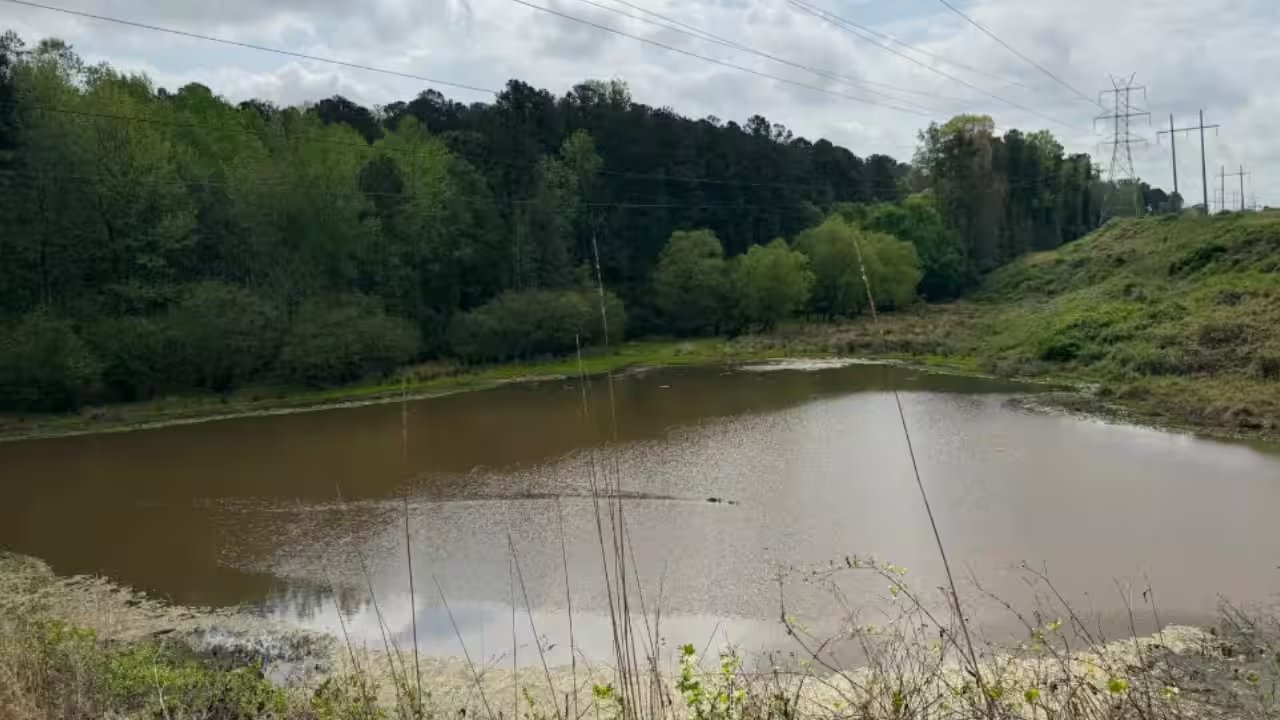
The locked gates of Falling Water Park in southwest Atlanta are finally set to swing open. After two decades of sitting as a protected but inaccessible "park-in-holding," the 26-acre forest will receive $3 million in combined state and city funding to become a functional public park. This marks the end of a years-long campaign led by Therrell High School teacher Renette Scott, who spent her career warning students to stay out of the woods bordering their campus.
Scott didn't realize the city owned the land when she first started telling kids to keep away. That ignorance turned into advocacy once the truth came out. She joined forces with the nonprofit Park Pride and local residents to form the Friends of Falling Water Park. The group didn't just ask for access; they demanded development. "This is a jewel that we don't know exists," Scott said, framing the project as a correction to a decades-long oversight in urban planning.
The funding structure splits the cost: the city secured a $2 million state grant, a win officials credit directly to the community's persistent lobbying. Atlanta will match that with $1 million in local funds. The money isn't for a monument; it's for infrastructure. Plans include walking trails, educational signage, and a shaded boardwalk over Mount Gilead Lake for fishing and birdwatching. Dexter Clemons, a community member, envisions the cove as a quiet spot for relaxation, a stark contrast to the overgrown, locked state of the property today.
Deborah Hall, an organizer living next door, notes that formal development will also clean up invasive overgrowth that chokes the native landscape. But for Scott, the park is part of a larger argument about equity. "This whole area is a desert," she said, referring to the local economy, housing, and lack of green space. The $3 million is a down payment on sustainability, not just a landscaping job. Construction is expected to follow immediately after the grant disbursement, with the community eager to walk the trails within the next few years.