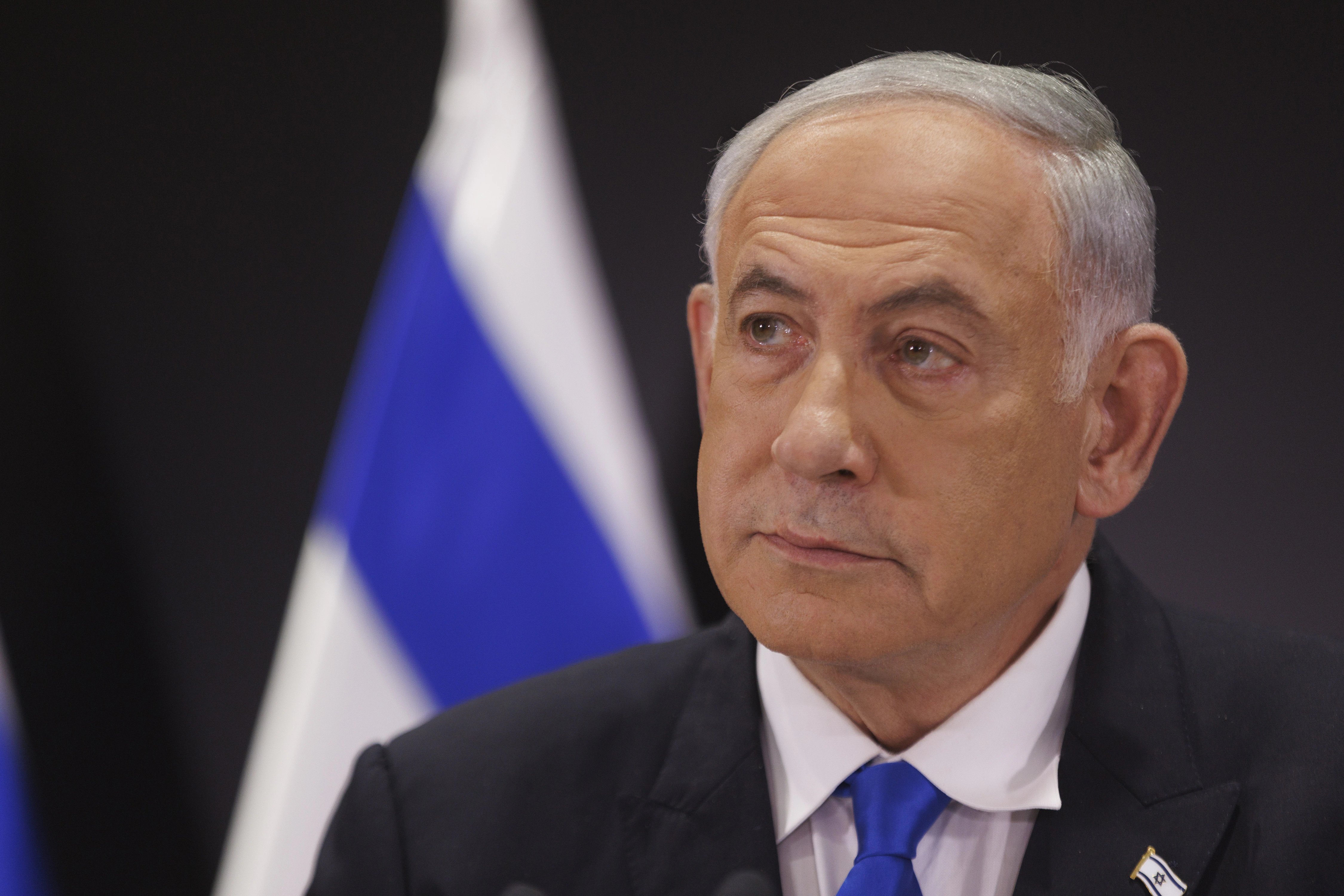
Prime Minister Benjamin Netanyahu ordered the Israeli military to plan an airstrike on Iran just days before Israel's March election.
Senior defence officials, briefed by the New York Times, said Netanyahu had been pressuring the army for weeks to act against Iran, a move that could have escalated into a full‑scale war.
Lt. Gen. Eyal Zamir, head of the Israel Defense Forces, rejected the directive, insisting it risked a miscalculation that could drag the nation into a conflict with the Islamic Republic.
Netanyahu denied the report later that week, and the defence ministry issued a statement saying no operation would be carried out against Iran.
The prime minister also urged President Donald Trump to back joint strikes, but the U.S. administration ruled out any action until after its November midterm elections.
Politically, the standoff comes as polls show neither Netanyahu's far‑right coalition nor the centrist opposition can secure an outright majority, leaving the possibility of a national unity government in the balance.
For soldiers on the Gaza front, the tension adds another layer of anxiety to an already volatile environment.
A cabinet meeting is scheduled for March 12 to decide whether to proceed with any military action, and Zamir will brief the military leadership on the implications of the directive.