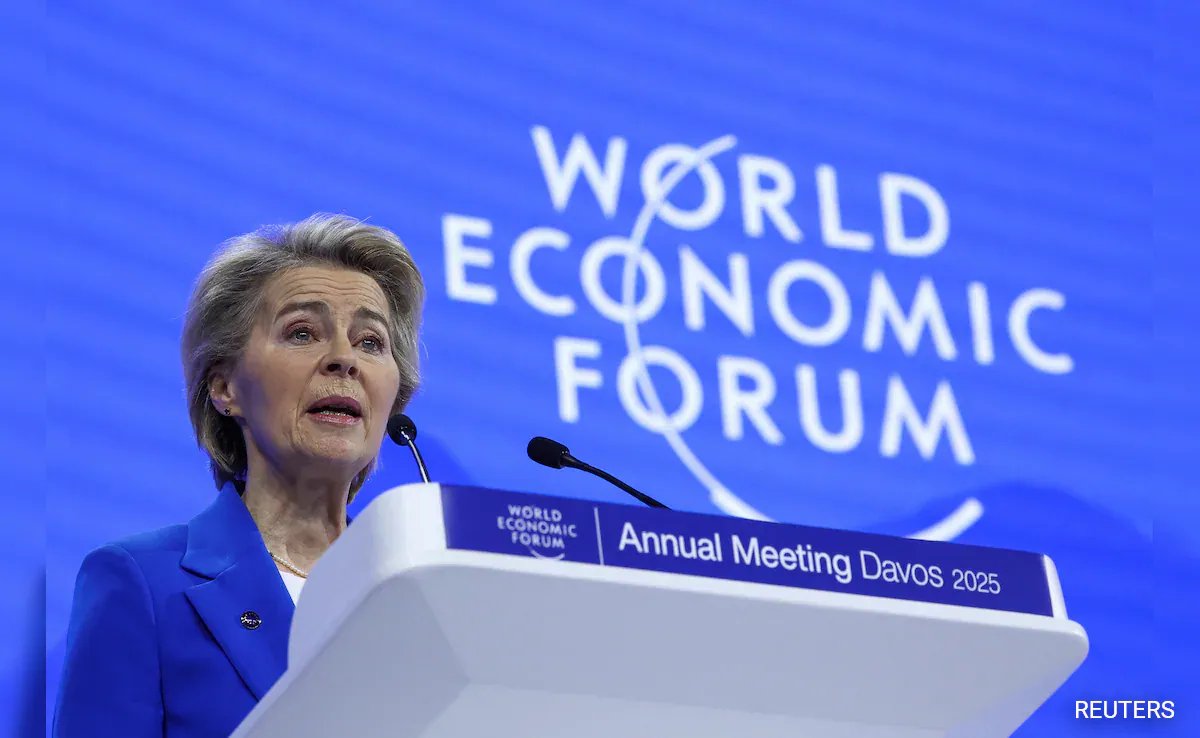
In a rare appearance at the European Parliament, von der Leyen urged lawmakers to open a new chapter of cooperation, stressing the need for a “future alliance” that would extend beyond trade. She outlined plans to align defence industrial bases, integrate critical‑mineral supply chains, and launch a joint Arctic initiative—moves that would signal a shift in the EU’s partnership with a non‑member country.
The idea of associate membership is not new. German Chancellor Friedrich Merz floated it earlier this year for Ukraine, a proposal that received a lukewarm response in Kyiv. Under the model, a partner could attend EU summits and access parts of the budget, but would lack full voting rights—an arrangement that would require unanimous approval from all 27 member states.
Reactions inside Brussels were mixed. Tobias Cremer, a German lawmaker who sponsored a March resolution on EU‑Canada ties, said the concept “makes sense” but admitted uncertainty about its legal footing. In contrast, French Left MP Manon Aubry questioned the democratic mandate for such a step, demanding clearer justification from Brussels.
Canada already enjoys deep ties with the EU. The Comprehensive Economic and Trade Agreement (CETA) has lifted almost all tariffs, boosting trade by more than 80 percent since 2016. This year, Ottawa joined a flagship defence loan programme and secured a deal to ship liquefied natural gas to Germany—examples that von der Leyen cited as proof of growing interdependence.
Mark Carney, the former governor of the Bank of Canada and current Prime Minister, is scheduled to discuss the proposal with von der Leyen before flying to Montreal for the summit. The meeting will set the agenda for a formal agreement, with the European Parliament’s vote slated for early June, following the summit in late May.