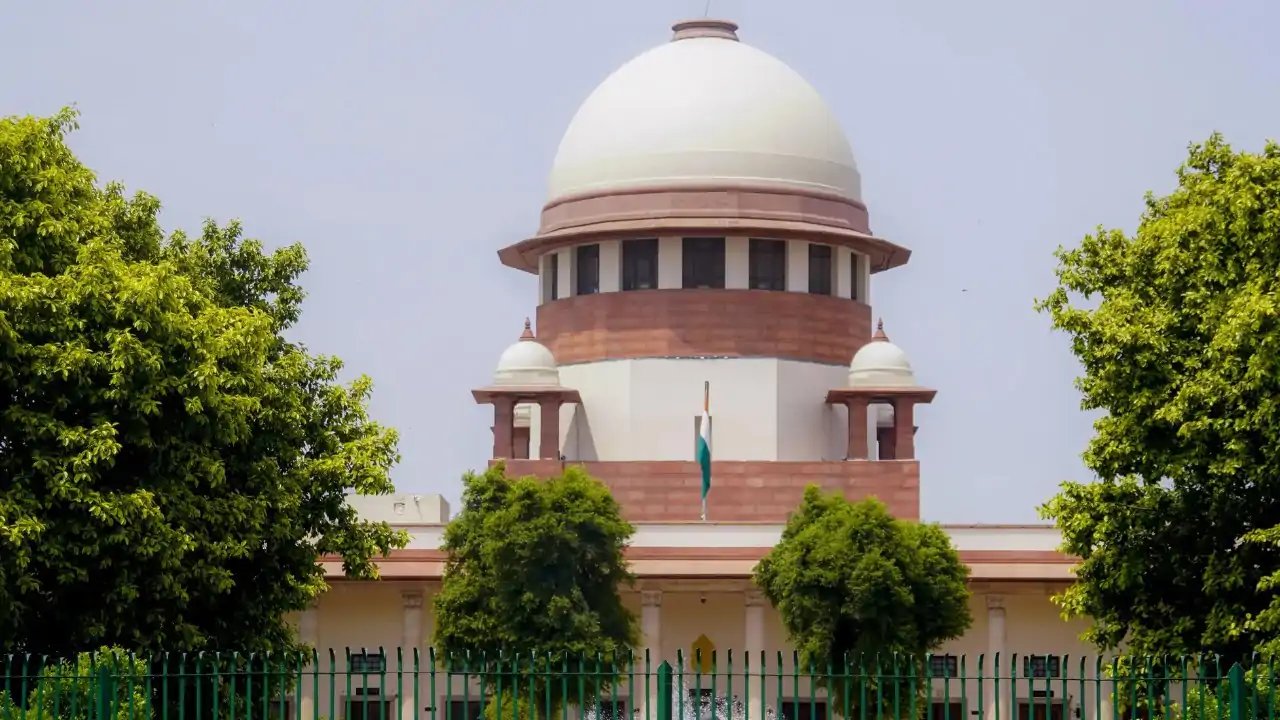
Chief Justice Surya Kant, presiding over the bench, asked the Election Commission why voters who had only temporarily left their registered addresses were being asked to submit Form 6— a document designed for first‑time enrollment. The court pointed out that the Representation of the People Act does not consider such temporary movements as 'shifting', and insisted that the ECI address this procedural mismatch.
The bench also highlighted the exclusion of about 4.3 million voters from Delhi’s draft roll, labeling them as 'shifted or absent'. The ECI explained that it had organized weekend re‑enrollment camps at polling stations to correct such deletions and process new applications, but the court urged a simpler remedy that would allow displaced voters to use their existing enumeration forms instead of the onerous Form 6.
Chief Justice Kant questioned the urgency of the October 30 deadline for filing claims and objections, noting that Delhi had no imminent elections. He urged the ECI to consider extending the deadline and to accept late enumeration documents, stressing that the process should not be rushed.
Justice Joymalya Bagchi also scrutinized the 'logical discrepancy' list that flagged 3.31 million voters for inconsistencies in their rolls. She clarified that the court had only allowed the list as an interim measure in West Bengal and Bihar cases, and that its legality had not yet been decided in Delhi.
The bench has given the ECI a fortnight to report on corrective measures, including how it will handle the excluded voters and whether it will extend the filing window. Meanwhile, a resident of Shalimar Basti, who was flagged on the list, said he had to travel two hours to submit his documentation, highlighting the real‑world impact of the current process.