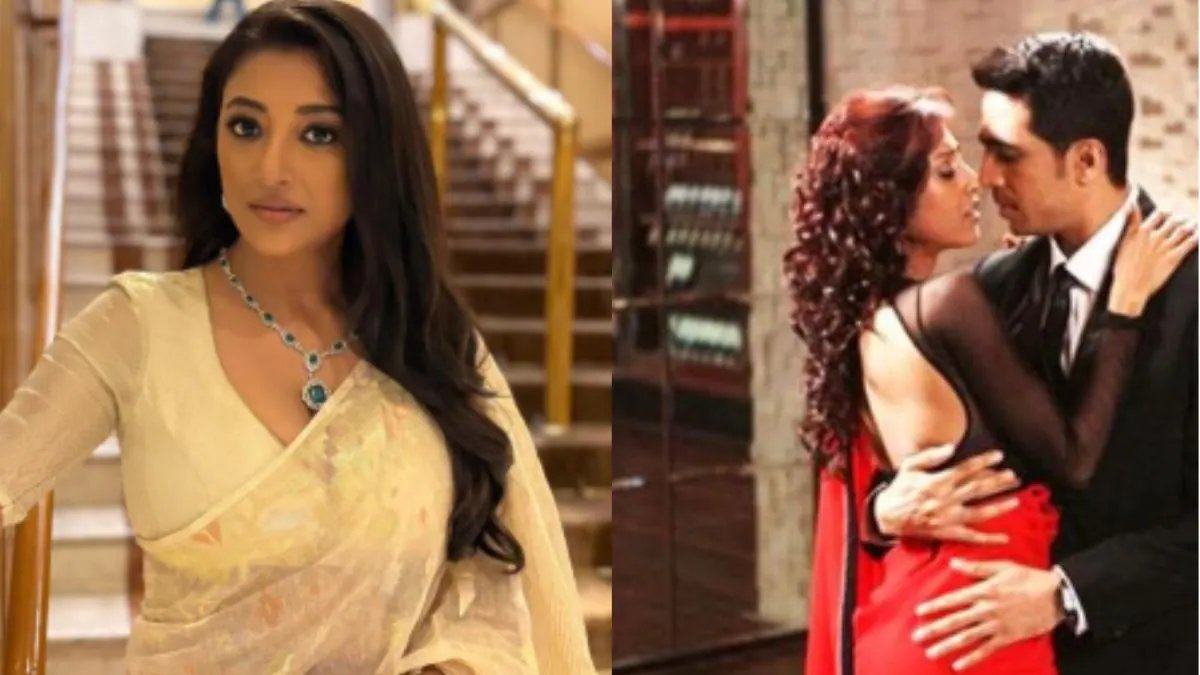
But when Paoli Dam first stepped onto the sets of Hate Story in 2012, she was already used to taking on characters that pushed boundaries—her Bengali film roles had always been a little offbeat. On the day of shooting, the director Vivek Agnihotri kept the lights low, the camera rolling, and the script heavy on ambiguity, a recipe that made the shoot feel more like a rehearsal for a revolution than a typical Bollywood shoot.
The film, released on April 20, 2012, was a commercial hit that spawned two sequels and became a franchise that Bollywood still references. Critics, however, slammed it for its explicit content and the way it framed its female lead, Kavya Krishna, as both victim and provocateur—an irony that only added to its notoriety.
Paoli’s own words are clear: she never second‑thought her decision. "There was no second thought," she told NDTV. "I chose a film that challenged the status quo, and that’s why I’ve always lived with stories, not regrets." Her background in alternative Bengali cinema gave her a different lens on what constitutes success—a lens that values narrative daring over box‑office numbers.
From that bold start came a string of diverse projects—Netflix’s Bulbbul, the historical Amazon Prime series The Revolutionaries, and a string of supporting roles that showcased her range. Each role feels like a new chapter, but the thread that ties them is the same: a willingness to step into uncomfortable territory.
Looking ahead, Paoli is already sniffing out projects that promise to test her limits again. Whether it’s a new thriller or a period drama, she’s clear that her journey in Mumbai isn’t about fitting in; it’s about making noise that resonates beyond the mainstream. And that noise, as she puts it, will keep growing louder with every frame she brings to life.