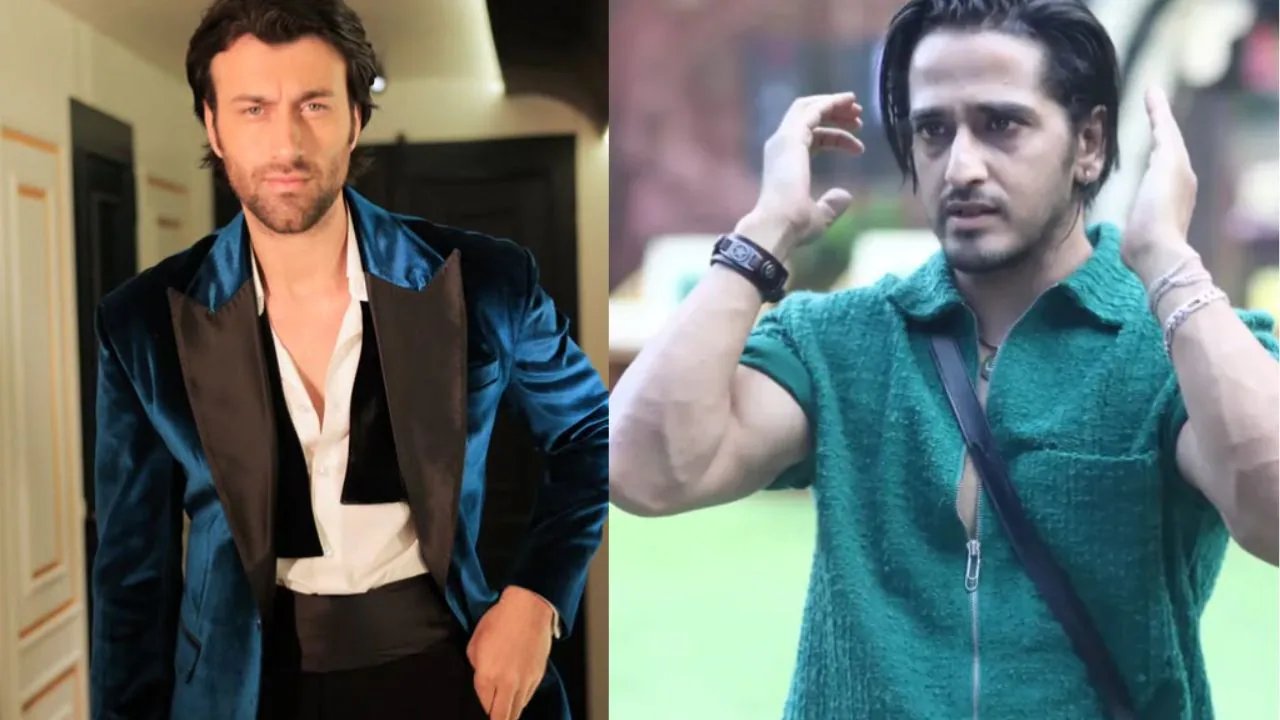
When Salman Khan called out Qazi Touqeer for faking a mental‑health crisis, the Bigg Boss 20 house went from solidarity to suspicion. The moment the host tore off the pretense on live TV, viewers had to rethink every late‑night confession that followed.
Qazi had been letting the cameras in on his private spiel while the other contestants saw a man in crisis. Rohed Khan first noticed the uncanny rhythm of Qazi’s pauses, and, as he put it, “if I had known he was speaking to the camera, I’d have been like, ‘Oh man, amazing!’” The actor’s improvisation slipped through the house’s walls, and the reality of a staged performance felt like a betrayal of raw emotion.
The fallout was immediate. Rohed, who had kept his distance because he believed Qazi’s struggle was genuine, said he felt “betrayed” when Salman exposed the ruse. He echoed a sentiment that many housemates shared: they had offered space, empathy and even food, only to discover it was all a game.
Yet Qazi had a different take. He admitted he respected Rohed for not confronting him, noting that his emotional outbursts were part of the act. “I was playing a character,” he told a post‑show interview, “and I didn’t want to break the illusion for the other contestants.” He also hinted that if the twist had been revealed earlier, the house dynamics might have stayed intact.
The episode is a brutal reminder of the thin line between performance and authenticity in reality TV. It also raises an uncomfortable question: do we, as viewers, buy into the narrative or do we question the actors? Rohed’s candid admission may well spark a broader conversation about trust and manipulation in the Bigg Boss universe.