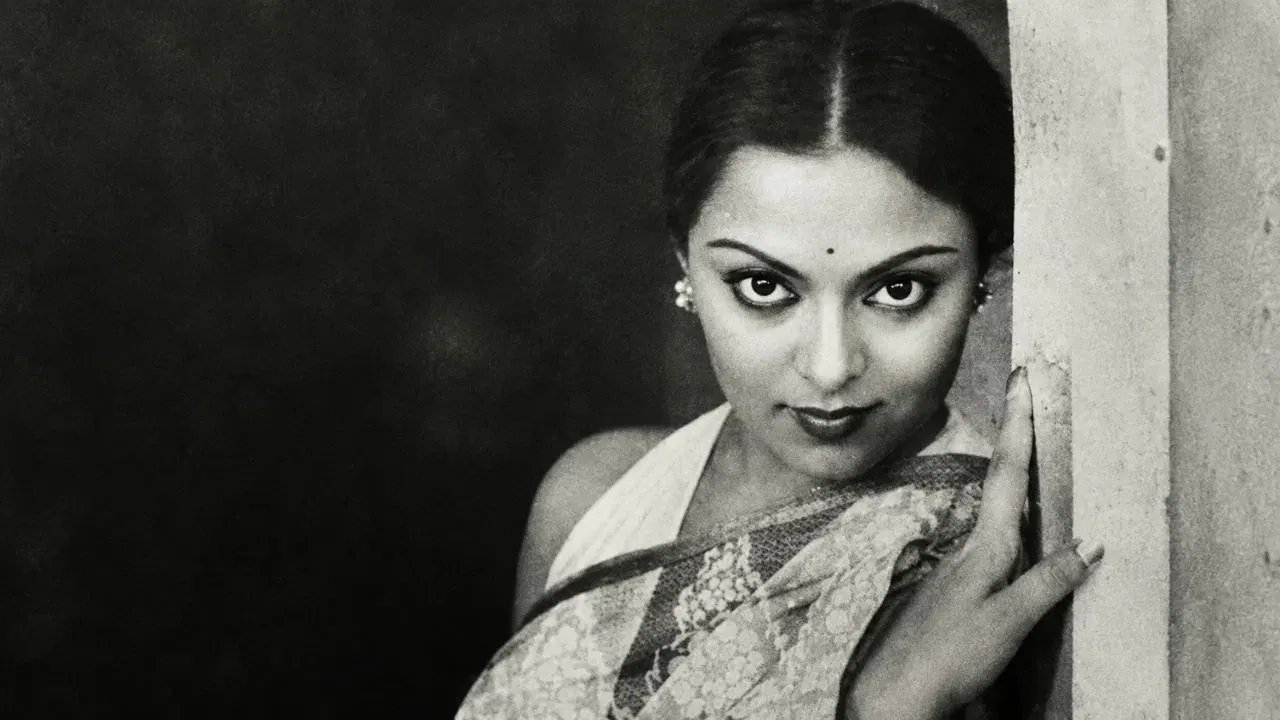
The lights dimmed on a stage that once rang with Mithu Mukherjee’s name. She succumbed to cancer at a private hospital in Mumbai on a quiet Sunday night, ending a career that spanned nearly five decades.
Her journey began in 1972 with Chitta Bose’s Shesh Parba, where a 17‑year‑old Mithu shared the screen with Shamit Bhanja. That debut was merely a doorway; her breakthrough arrived two years later in Dinen Gupta’s Marjina Abdulla, a role that made her a household name.
The era was a constellation of legends: Uttam Kumar, Soumitra Chattopadhyay, Ranjit Mullick. Mithu’s collaborations with these titans—whether in Nishikanya, Mouchak, or Pratima—cemented her as a recognizable face, the kind of screen presence that made audiences feel the pulse of the story.
She didn’t stay confined to Bengali borders. In 1976, she slipped into Hindi cinema with Dulal Guha’s Khaan Dost, later appearing in Basu Chatterjee’s Safed Jhoot, Dillagi, and Do Ladke Dono Kadke. Her versatility let her navigate both industries, a rare feat for that generation.
The 1980s saw a pause. After Dujane, she stepped back, only to return in 1990 with Chandra Barot’s Ashrita—a film that would be her last. Post‑Ashrita, she chose privacy over publicity, living a low‑profile life away from the limelight.
Mithu Mukherjee’s legacy lingers in the reels that still air on regional channels and film festivals. Her portrayals—often layered, understated, and profoundly human—continue to inspire new actors and keep her name alive in discussions of Bengali cinema’s golden age.