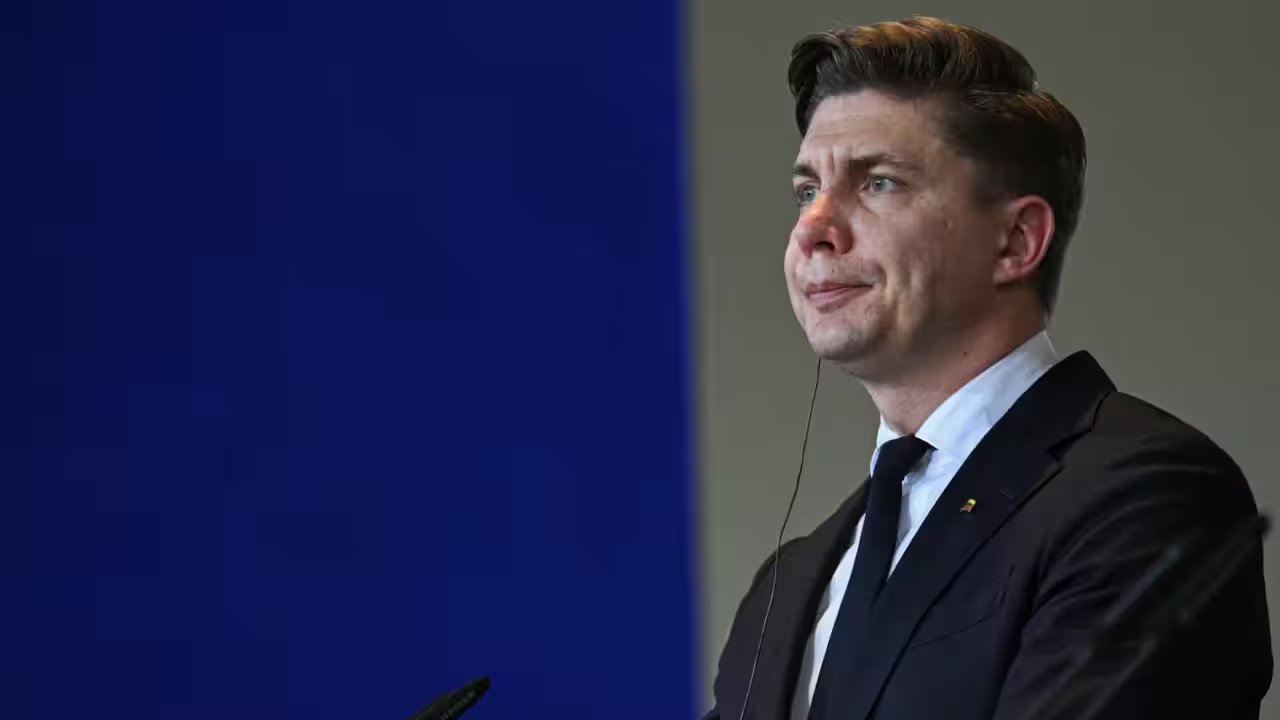
Mindaugas Sinkevicius made the financial pledge explicit on Tuesday, telling reporters that Vilnius is prepared to shoulder the full burden of hosting a permanent American garrison. "Our partners only need to make the political decision to permanently station troops, and Lithuania is ready to cover the costs involved," the Prime Minister said. The offer removes the primary economic objection often cited by Washington regarding long-term deployments in the Baltics.
The timing is not accidental. On the same day, the Lithuanian parliament cast its first ballot in favor of removing the constitutional prohibition on nuclear arms on its territory. Since 2019, the country has hosted a rotational armored battalion of nearly 1,000 US troops, but a permanent base—and the potential stationing of nuclear weapons—marks a fundamental shift in NATO’s forward posture. Sinkevicius has previously lobbied Washington for this permanent presence, and President Donald Trump responded on Monday by saying he would "certainly look at it," citing personal friendship with Lithuanian leaders.
Moscow reacted swiftly. Kremlin spokesman Dmitry Peskov dismissed the developments as a deliberate provocation. "If the military infrastructure of what is, in effect, NATO's leading country is moving closer to our borders, then, of course, this cannot be perceived as anything other than a step towards escalating tensions," Peskov told reporters. He added that neither the base nor the nuclear deployment would contribute to stability, calling them "yet another significant escalation."
The vote is only the first step. For the constitutional change to take effect, the parliament must pass a two-thirds majority on a second ballot. Until then, the legal framework prohibiting nuclear arms on Lithuanian soil remains intact, though the political will to dismantle it is now publicly declared.