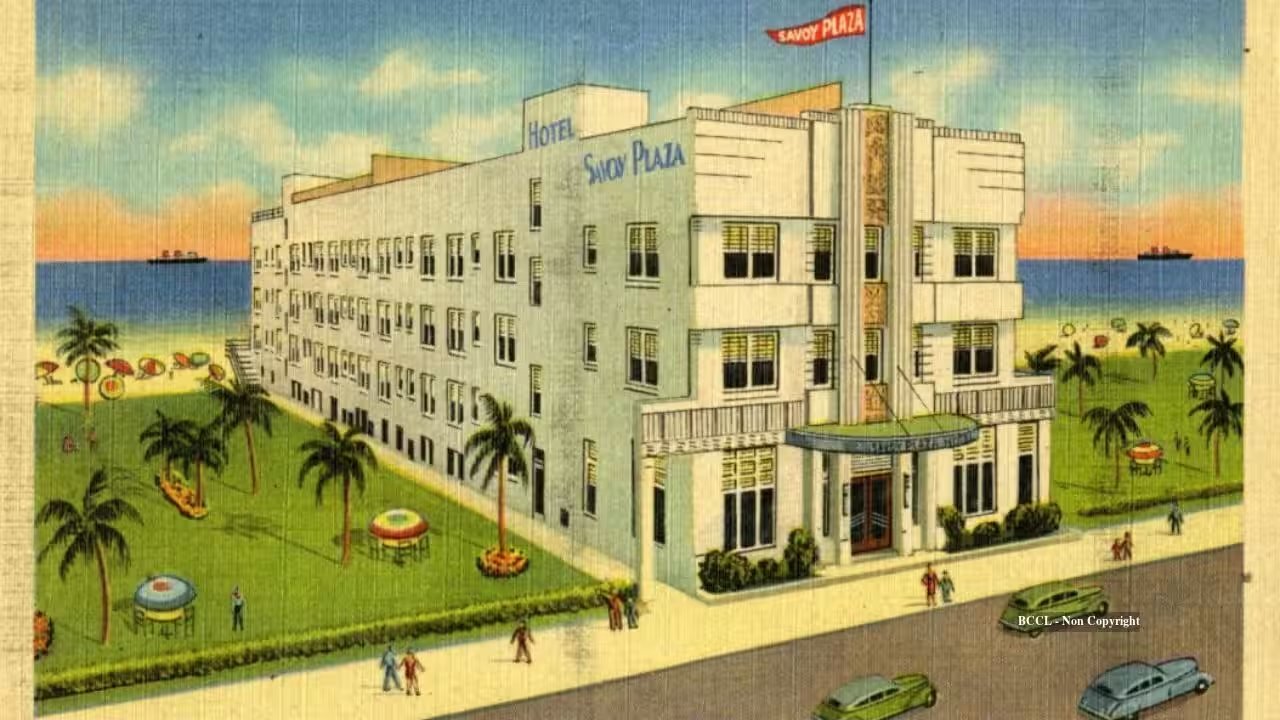
The council’s vote, the first of its kind in the district, cleared Allied Partners’ plan to raze the Savoy and the neighboring Arlington Hotel, paving the way for an Arquitectonica‑designed 38‑story structure that will soar to 480 feet above Ocean Drive. New York‑based Arquitectonica, in partnership with Allied, is set to deliver 90 market‑rate condominiums, 60 workforce‑housing units and a 76‑key hotel, all tucked into a building that will dominate the skyline of the South of Fifth neighborhood.
The Savoy, built in 1937, has been a silent witness to Miami Beach’s Art Deco birth, its low‑rise silhouette a staple of the city’s iconic streetscape. The Arlington, a 1941 relic shuttered after Hurricane Irma, shares the block, its façade now a ghost of the past. Together, the two hotels have defined the character of Ocean Drive for nearly a century, a fact that preservationists like Meg Lousteau of the Miami Design Preservation League cite as the heart of the city’s brand.
The Live Local Act, enacted in 2023, is the legal lever that turns a modest block into a vertical megastructure. By guaranteeing that 40 percent of the tower’s units will be workforce housing for 30 years, the law unlocks the highest density and tallest height slots in a one‑mile radius. The Resiliency and Safe Structures Act of 2024 further removes the city’s veto, allowing demolition of any flood‑vulnerable historic building outside a pre‑2000 district, a loophole that the Savoy falls under.
City Commissioner Alex Fernandez called the preemption a "horrible state‑driven takeover" that strips coastal communities of their zoning authority. He noted that while the council can still review plans, the legal framework now shields the project from local scrutiny. The decision has, in effect, transferred the battle to the courts.
Preservationists have mobilized, with Lousteau warning that the loss of the Savoy will erode Miami Beach’s historic identity. The Miami Design Preservation League is already preparing a lawsuit challenging the state preemption, arguing that the city’s inability to protect its heritage violates the city’s charter. A hearing is scheduled for the first week of July, a date that will determine whether the tower can rise or the historic façade will be preserved.
Behind the debate lies a family that has lived in a rowhouse adjacent to the Savoy for three generations. Their eldest son, a local schoolteacher, says the tower’s shadow will swallow the neighborhood’s sunlit mornings. His words underscore the human cost of the city’s rapid verticalization, a cost that will be weighed in the coming legal showdown.