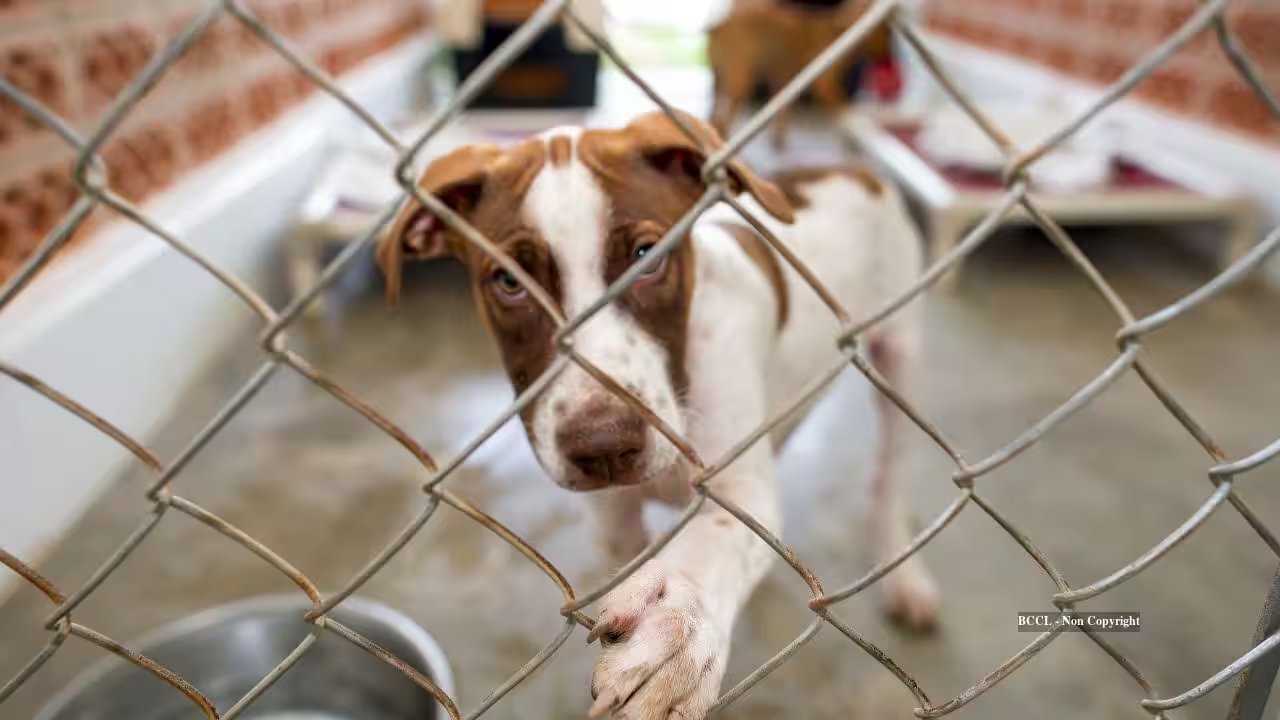
June Thomas walked into what was once a breeding ground for canine parvovirus and found silence. In February 2026, she opened the doors to Ginew Animal Care Services, Manitoba's first animal shelter located on a First Nations reserve. The facility sits on Roseau River Anishinabe First Nation, roughly 100 kilometres south of Winnipeg, and marks the culmination of a nine-year effort to stop the cycle of disease and uncontrolled breeding.
The work started with grief, not politics. Thomas’s dog, Bessie, died from parvo in 2017. Watching the animal suffer while lacking access to routine vaccines or sterilization services forced Thomas to confront a hard reality: the community’s informal care system for “rez dogs” was failing. She began by surveying 200 homes, a tedious door-to-door process that mapped the extent of the problem. The data was stark. The reserve had 214 registered animals, many unvaccinated and unsterilised, living in a precarious balance between community care and neglect.
Resistance was immediate. Many residents did not understand the medical necessity of spay-and-neuter procedures. Some viewed the interventions as an intrusion into their relationship with the animals, which they considered relatives rather than pets. Thomas didn't argue with ideology; she removed the barrier of access. She organised on-reserve clinics, with the first costing over $15,000, funded by six different community programs. By 2024, after graduating from Robertson College as a veterinary assistant, she had sterilized more than 65 dogs and cats. The numbers shifted. The registered animal population dropped to an estimated 117. Parvo, the disease that killed Bessie, has not appeared in the community for a year.
The shelter itself is a pragmatic solution to a structural gap. Funded by band revenues from land leases and tobacco sales tax, it provides a dedicated space for housing, feeding, and cleaning animals without the cost and trauma of traveling off-reserve. Thomas and volunteers now work six to eight hours a day within its walls. It is a small operation, but it is sustainable. The next step is maintaining the momentum. With the population stabilized and the infrastructure in place, Thomas is now focused on long-term public education to ensure the gains are permanent.