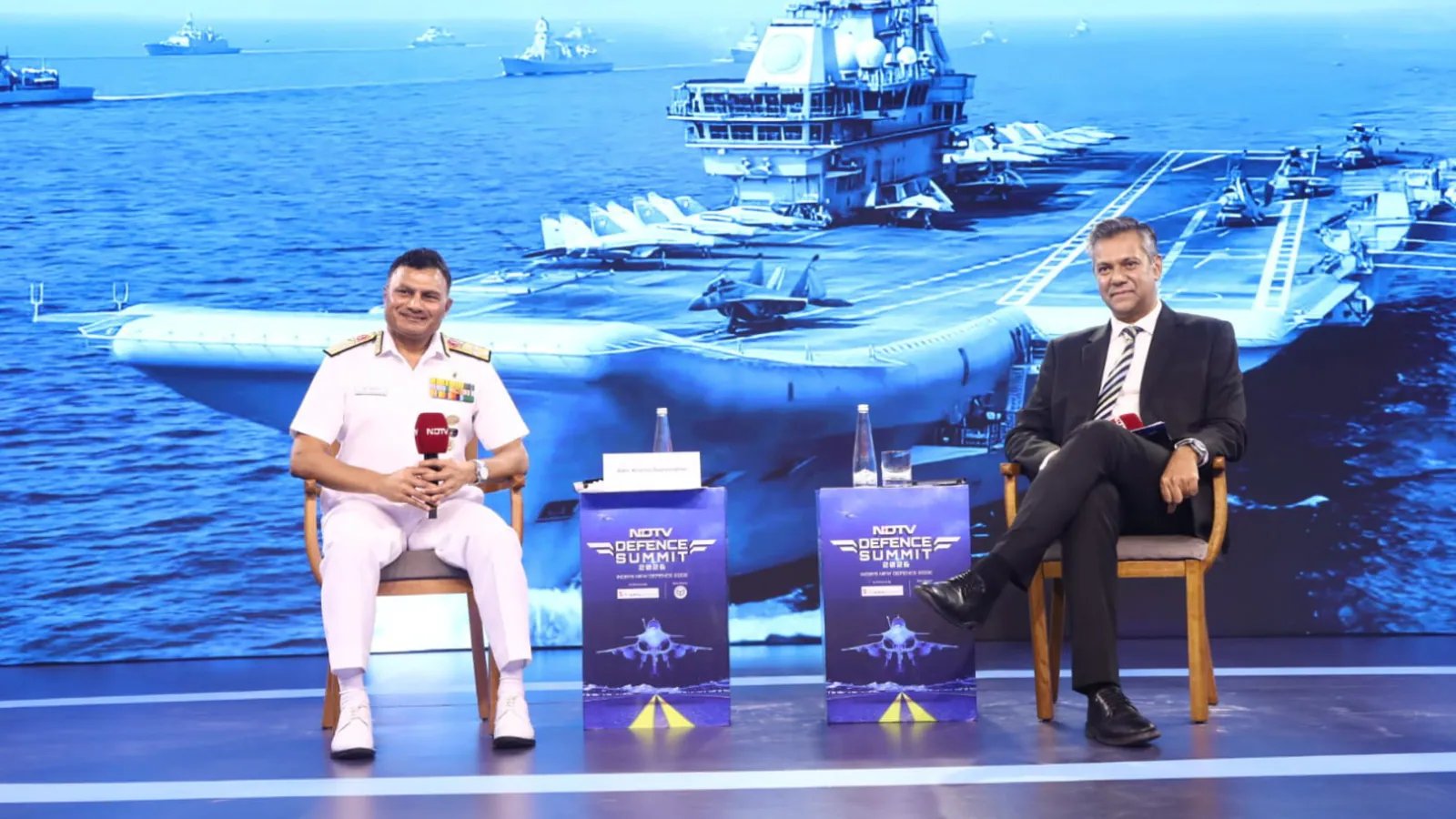
Admiral Krishna Swaminathan, chief of the Indian Navy, stood before NDTV’s Defence Summit audience on 26 March 2026 and vowed to accelerate the navy’s push for self‑sufficiency after disruptions in the Strait of Hormuz and Bab el‑Mandeb. He said the blockages that closed a large portion of the region’s shipping lanes had underscored the urgency of diversifying supply routes and domestic production.
India’s maritime arteries carry nearly 90% of its trade by volume and over 70% by value, a fact the admiral highlighted to underscore why sea‑lane security is a national imperative. A recent report shows that more than 60% of the country’s GDP originates in coastal states, and 18% of its population lives within 50 kilometres of the sea.
Swaminathan’s remarks came amid growing geopolitical uncertainty in the Persian Gulf, where Iranian threats and regional rivalries have repeatedly threatened the flow of oil and goods. He warned that the navy’s current capabilities must evolve to face a changing threat environment shaped by new technologies and shifting adversaries.
The chief of naval staff explained that the concept of "aatmanirbharta"—self‑reliance—will guide all future naval procurement and force‑sustainment programmes. He added that the focus would expand beyond weapons systems to include the building and sustaining of India’s broader defence forces.
The navy will broaden its focus to include domestic production of support and logistics capabilities, a shift to be detailed in a forthcoming strategy document. The Defence Ministry is slated to review the plan at the end of the month, setting the stage for a new procurement cycle that prioritises indigenous output.