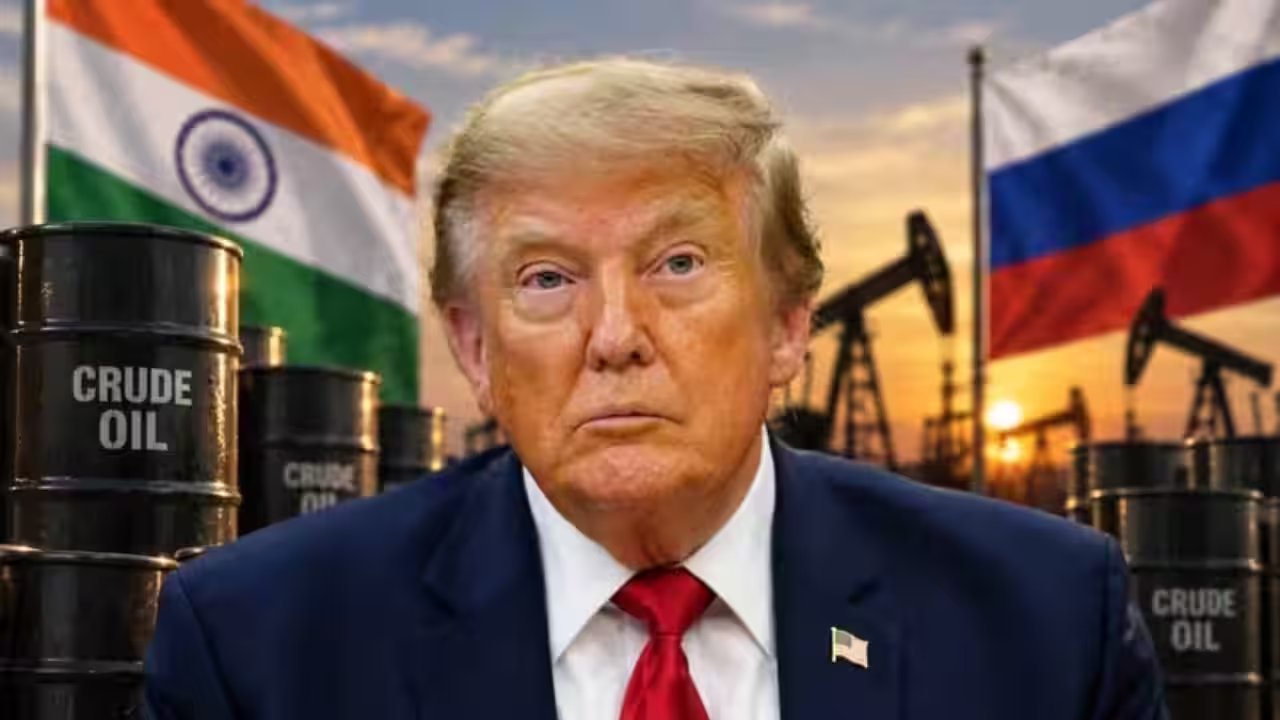
The new law, named after the late Senator Lindsey Graham, expands sanctions on Russian officials, banks, and the nation’s energy trade, while extending existing Iran restrictions for five years.
It grants the President authority to impose a full‑rate tariff on any goods imported from India and China, the two biggest buyers of Russian crude, a move designed to cut off a key source of Russian revenue.
India’s foreign ministry said it had briefed Washington on the implications, stressing that higher energy costs could hurt domestic industries and consumers. Russia warned the sanctions could derail peace talks in Ukraine, while China dismissed U.S. jurisdiction as a “long‑arm” overreach.
The bill cleared the Senate 86‑11 and the House 262‑159 before Trump signed it. The administration claims the tariff will pressure Moscow toward a diplomatic solution in Ukraine, and Treasury will issue enforcement regulations by mid‑October.
A family of five in Rajasthan saw their monthly fuel bill jump from ₹35,000 to ₹50,000 after the tariff took effect, illustrating the human cost of geopolitical moves. The next week, the U.S. Customs and Border Protection will begin applying the tariff to relevant imports, while India and China are expected to file formal diplomatic protests.