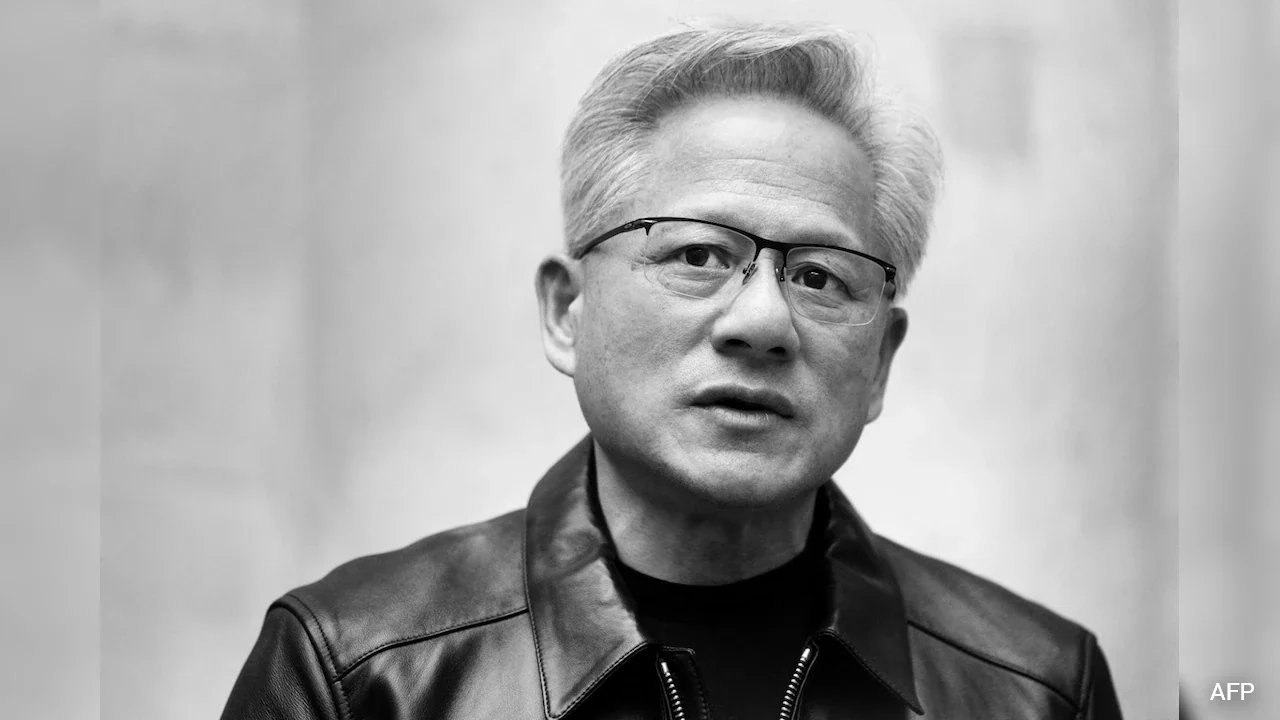
Nvidia shares plunged as much as 8% on Nasdaq after the semiconductor giant's board opened an internal inquiry into co-founder and chief executive Jensen Huang. The selloff followed Huang's admission of an extramarital affair with an alleged Chinese intelligence operative, throwing Wall Street's most heavily weighted technology anchor into turmoil. Panic spread quickly across the order book. Traders dumped stock within minutes of the board's announcement, pricing in the unprecedented prospect of Nvidia operating without its architect.
Huang built the Santa Clara-based chip designer into the operating engine of global computing. Now, that entire architecture hinges on a single executive. The 63-year-old CEO controls a 3.6% equity stake, making him Nvidia's largest individual shareholder. Yet the company maintains no named successor. Instead, Huang runs Nvidia through an unconventional, ultra-flat operational structure comprising roughly 60 direct reports. The executive pipeline stops at his desk.
Nvidia's own governance documents have long signaled this structural vulnerability. In its latest regulatory proxy statement, the board admitted the business remains "highly dependent on the services of our longstanding executive team" and warned that failing to secure succession could "hinder our strategic planning, execution, and long-term success." The board has yet to identify an internal candidate capable of stepping into the role if directors force Huang out.
Governance experts view the setup as an institutional failure. "If it's true they really don't have much of a succession plan, then that's a problem," said David Larcker, professor of corporate governance and accounting at Stanford University. Larcker noted that boards facing national security entanglements cannot rely on ordinary crisis playbooks: "It can be difficult to do what's more traditional in companies where you literally have the rock-star CEO or the CEO who literally has control of the company. This is so unusual it's not like you can call somebody up and they say, 'Here's a game plan for this that's very tidy.'"
| Metric / Indicator | Figure / Status | Source / Detail |
|---|---|---|
| Intraday Equity Drawdown | Down as much as 8.0% | Nasdaq trading data |
| CEO Equity Stake | 3.6% of outstanding shares | Regulatory filings; largest individual holder |
| Direct Operational Reports | Roughly 60 senior executives | Flat corporate command structure |
| Succession Blueprint | None publicly designated | Annual proxy statement key-man disclosure |
Huang's clout reaches far past corporate earnings into international diplomacy. "Jensen Huang is irreplaceable. He's become a singular force in the geopolitics of AI," said Jim Secreto, a public-affairs consultant and former deputy chief of staff at the U.S. Commerce Department. Industry analysts echo that comparison. Daniel Newman, chief executive of tech advisory firm Futurum Group, drew parallels to Silicon Valley's most famous succession gap: "In many ways Jensen is Nvidia's Steve Jobs. That does not mean they cannot find a Tim Cook in the future, but it would be a massive changing of the guard, and the company has not been set up for that."
Huang deployed that personal capital to rewrite export controls. He lobbied Washington heavily to soften sales barriers into mainland China, securing clearance this year to export Nvidia's advanced H200 accelerators after earlier carving out exemptions for lower-tier H20 chips. Even with those clearances, Nvidia disclosed in an August regulatory filing that sales into China remain constrained by domestic trade restrictions. Board directors are now consulting legal counsel to evaluate national security exposures, with market-watchers awaiting the inquiry's initial findings before institutional funds recalculate Nvidia's governance risk premium.
| Key Export Approvals |
| H20 and H200 accelerators |
| U.S. Commerce Department clearance |