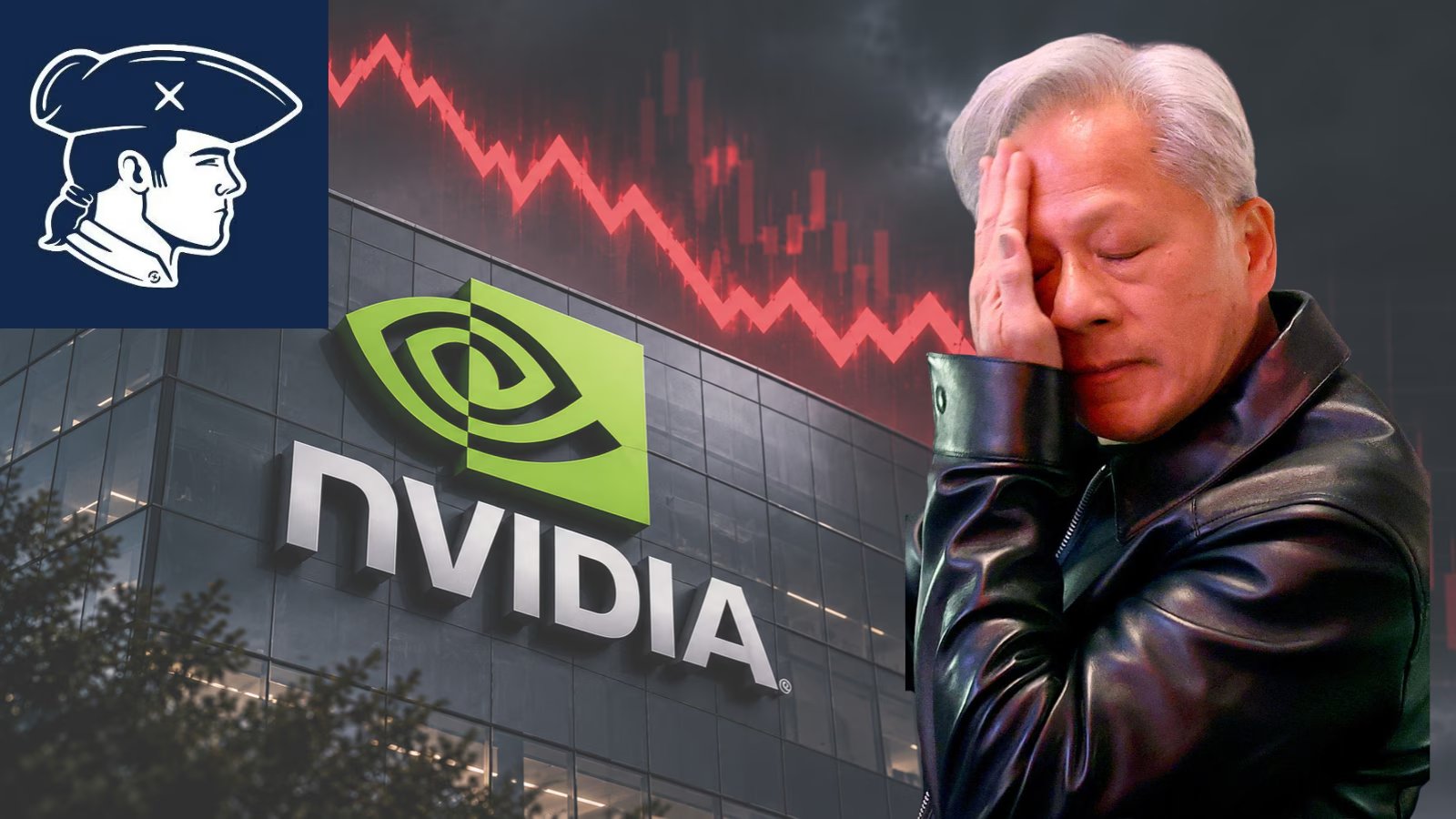
Nvidia shares plunged nearly 9% to session lows on Monday before settling down 4.3% as institutional desks dumped stock following revelations surrounding founder and Chief Executive Jensen Huang. The selloff followed mounting scrutiny over Huang's personal ties to Chinese tech executive Alice Huang. Panic spread fast. Trading desks moved rapidly to trim exposure across semiconductor portfolios, reigniting long-standing concerns over backdoor semiconductor routing into mainland China.
Yet the warning flags were raised months ago. In May, New York-based short seller Culper Research, founded by Christian Lamarco, published a scathing dossier titled "Nvidia: The China Problem" alongside an active short position against the chipmaker. The activist firm warned that Nvidia's lost revenue pipeline inside China—severed by tightening US trade and export controls—had been deliberately rerouted through Southeast Asian intermediaries.
Central to the thesis is Megaspeed, a regional buyer that accumulated vast quantities of high-performance processors. Regulatory and corporate filings cited by Culper showed Megaspeed’s total liabilities and equity exploded from $33 million at the close of 2023 to roughly $3 billion by late 2024. Most of that sudden capital influx came in the form of refundable customer deposits wired from unidentified sources, with records linking Megaspeed back to Chinese internet conglomerate Alibaba.
The short seller documented specific interactions between the semiconductor chief and the Megaspeed executive. According to Culper’s disclosures, Jensen Huang was seen socializing with Alice Huang in June 2024—the same month Alibaba and Apex executed supply pledges—before meeting for dinner in May 2025 immediately following fresh US export curbs. Furthermore, a US Commerce Department inquiry into Megaspeed's trade flows was halted late last year following direct interventions and corporate outreach from Nvidia.
Technical monitors should have caught the rerouting immediately. Forensic trade specialists told investigators that Nvidia possessed the clear operational capability to identify illicit product diversion before and after shipping. Pre-sale flags included newly incorporated offshore shell entities suddenly placing multi-billion-dollar chip orders without product warranties. Post-sale markers were even starker—mismatched network latency, conflicting IP registries, and remote processing clusters abruptly going dark.
Nvidia has launched an internal inquiry into the conduct of its chief executive. The board has neither endorsed nor refuted the specific allegations raised by Culper Research, leaving institutional funds bracing for heightened regulatory oversight and potential export enforcement penalties as the probe unfolds.