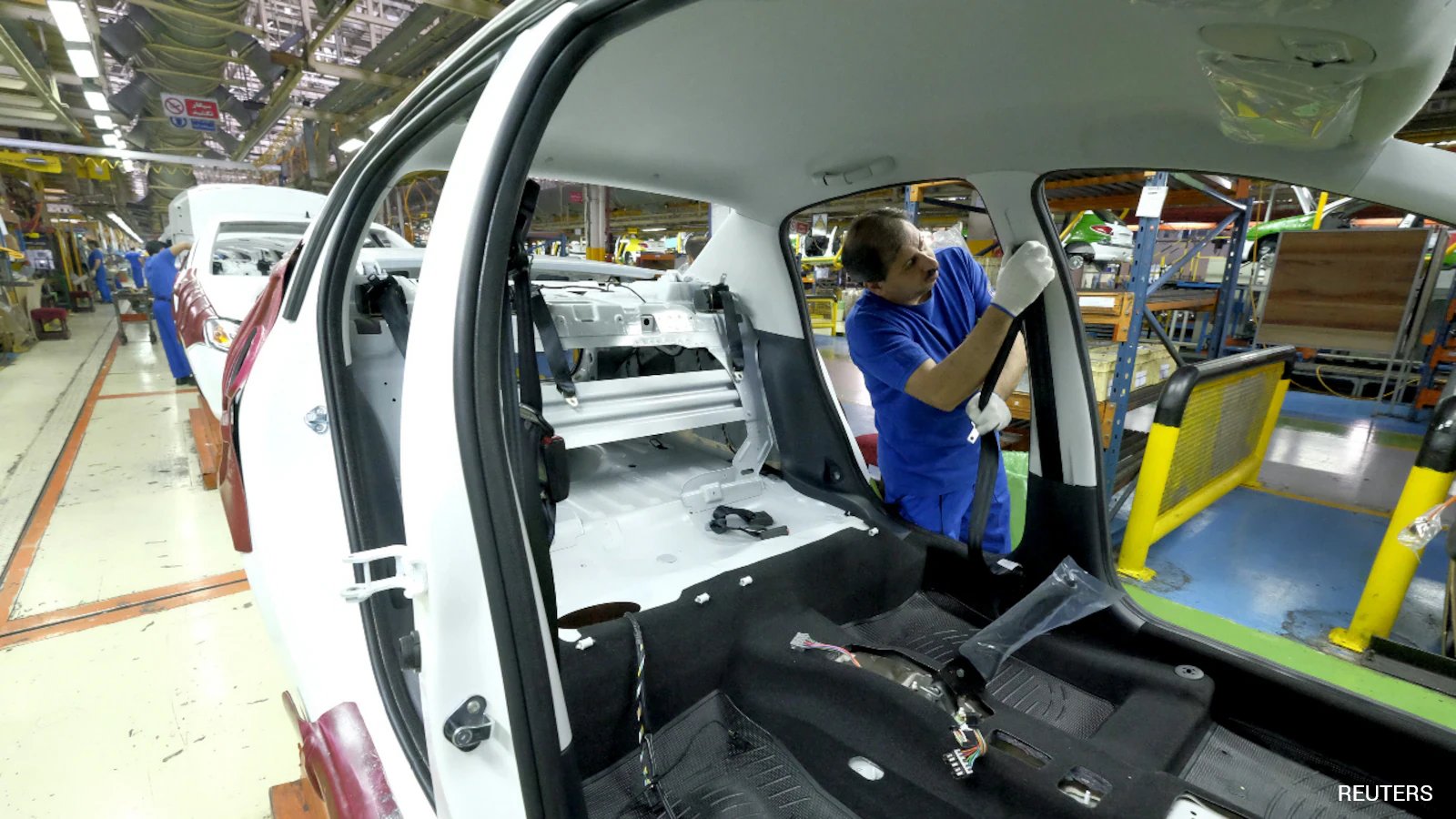
On Thursday, August 29, 2026, the U.S. Treasury announced a new wave of sanctions aimed squarely at Iran’s rail and automotive industries, as part of its Operation Economic Outcast. The move follows a series of economic restrictions that have already tightened the regime’s access to foreign capital and technology.
The Treasury’s list names Iran Khodro Company (IKCO) and SAIPA Iranian Automobile Manufacturing Company (SAIPA) – together controlling over 90% of the nation’s domestic auto market – and the state‑owned Islamic Republic of Iran Railway Company (IRRC), Raja Passenger Trains, and the private freight line Sherkat‑E Rah Ahan‑E Khamle‑O‑Naghle. These entities form the backbone of Tehran’s logistics network, a lifeline that has grown ever more critical since the U.S. blockade on oil transits through the Strait of Hormuz.
Treasury Secretary Scott Bessent said the sanctions "directly target Iran’s enablers and lay the groundwork for the United States and our partners to drain the regime’s revenue once and for all." He added that the action seeks to pressure Tehran into negotiating an end to the conflict that erupted following a U.S.–Israeli strike seven months ago.
The immediate impact will be felt by freight operators who rely on IRRC’s freight corridors and by Iranian automakers that export to neighboring markets. A logistics company in Tehran’s industrial zone warned that the sanctions could halt cross‑border shipments unless alternative routes are secured.
The Treasury has set the sanctions to take effect without delay, and Washington has signaled it will coordinate with European allies to enforce the restrictions. Tehran’s next step will likely involve seeking new transport corridors through Central Asia or the Persian Gulf, a shift that could reshape regional supply chains.