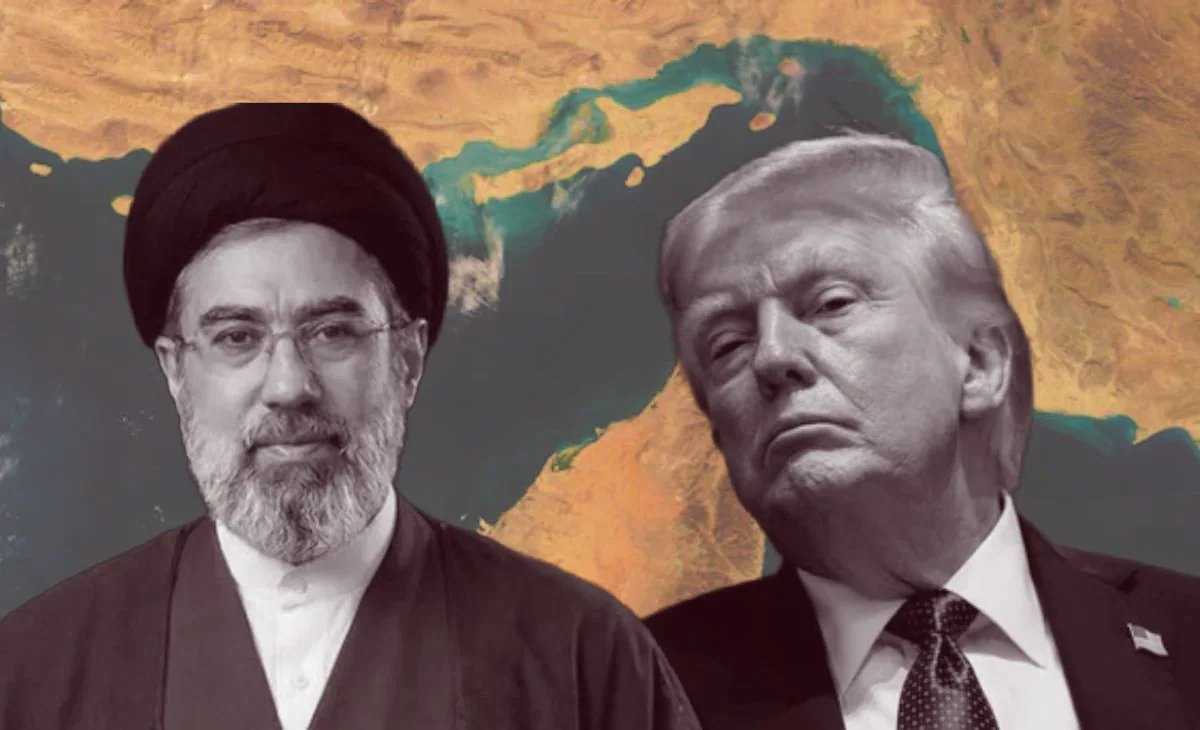
On Tuesday, a senior Iranian official met with Reuters in New York and announced Tehran's readiness to reopen the Strait of Hormuz if Washington abandons its blockade on Iranian ports. The statement came as the Iranian delegation, present for the U.N. General Assembly, asserted it had full authority to resume diplomatic engagement, following the U.S. re‑enforcement of the blockade on July 14.
The U.S. has tightened restrictions on Iran's delegation since the blockade, limiting the president's team's travel to a Manhattan hotel and the U.N. headquarters, and denying visas to key officials, according to the state‑run agency IRNA. President Masoud Pezeshkian's entourage can move only between the hotel and the assembly building, while the foreign minister Abbas Araghchi receives a U.S. security detail during his New York stay.
U.S. Secretary of State Marco Rubio told NBC that Washington is open to talks with Tehran at the General Assembly, although no concrete schedule exists yet. Rubio emphasized that such talks could lead to positive outcomes, positioning the U.N. summit as a prime opportunity for renewed dialogue.
An Iranian military command warned on Sunday that it would retaliate without limits if Washington proceeds with planned attacks, underscoring the high stakes of the diplomatic standoff. The warning follows U.S. indications of renewed strikes supported by regional allies.
The Hormuz Strait, through which roughly a fifth of the world's oil passes, has become a flashpoint; any disruption could ripple through global markets, amplifying anxieties already heightened by regional tensions. The strategic waterway's stability is crucial for energy security worldwide.
Washington is expected to announce its decision on lifting the blockade within the next 48 hours, a move that could trigger a swift reopening of the waterway and shift the balance of power in the Persian Gulf. The outcome will set the tone for the U.S.-Iran engagement over the coming weeks.