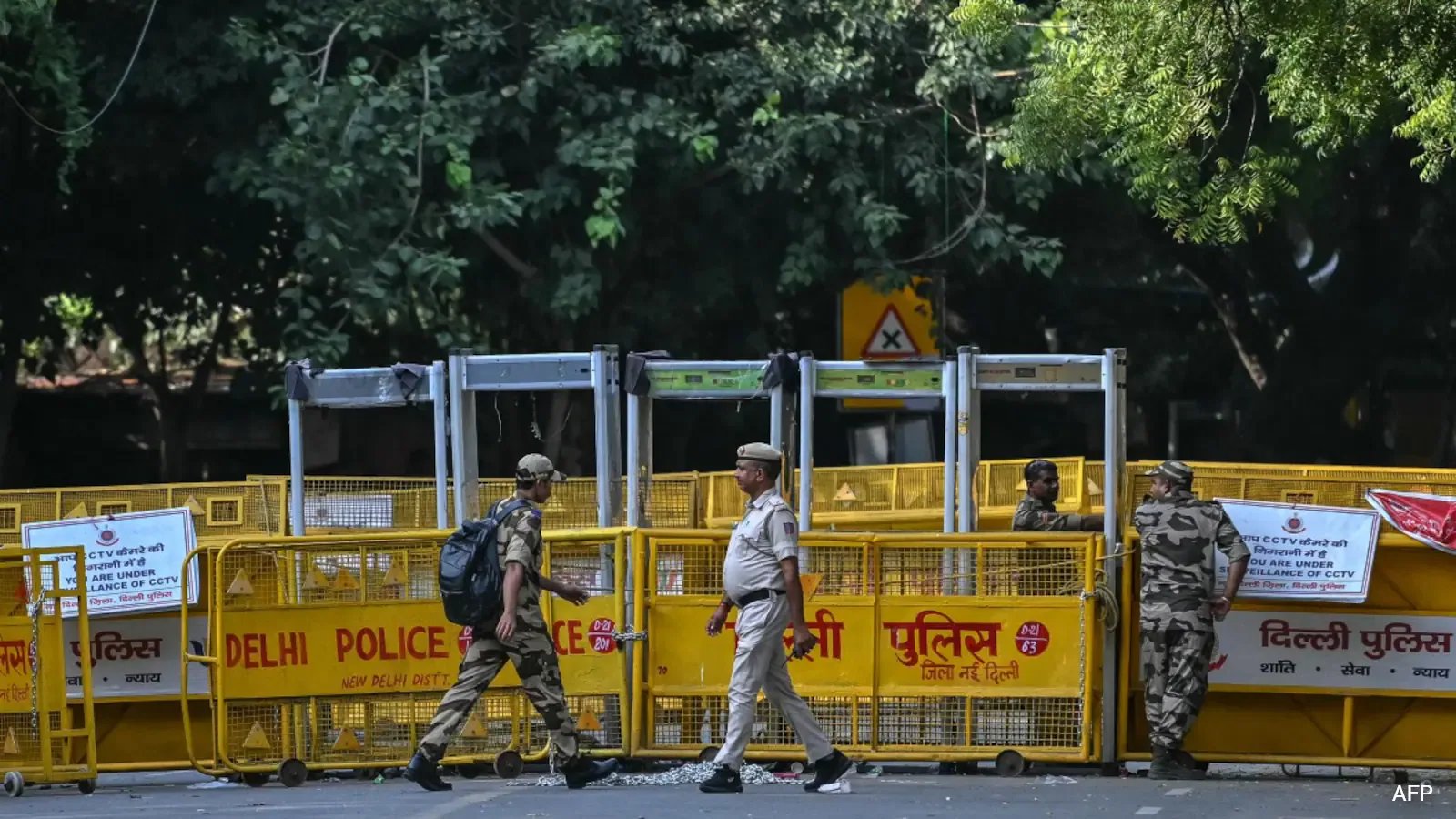
The Railway Board pulled the plug on more than 250 trains on Friday, scrubbing all services connecting New Delhi and Hazrat Nizamuddin stations with destinations across India. The cancellations target passenger trains departing originating stations after 2 pm on October 9, as well as those slated to arrive in the capital between 4 am and 2 pm on October 10. Local trains and departures from these two hubs were also axed. This sweeping strike on rail operations is directly tied to a protest planned by the Cockroach Janta Party (CJP) on October 10, where demonstrators intend to demand the ouster of Chief Election Commissioner Gyanesh Kumar.
Subodh Jain, former Member (Engineering) of the Railway Board, called the decision a capitulation. "It amounts to surrendering to the protesters," Jain told PTI. He noted that while one or two trains have been cancelled due to agitations in the past, the scale here is historic. Shiv Gopal Mishra, general secretary of the All India Railwaymen’s Federation (AIRF), echoed the sentiment, stating, "It has never happened in the history of Indian Railways that so many trains were cancelled just because of a protest." For Mishra, the move is not just unfortunate; it is anti-passenger.
The human cost is immediate and sharp. Basant Kumar Shukla, secretary of the Nagpur-based passenger group Bhartiya Yatri Kendra, pointed out the absurdity of the logic. Passengers booked tickets 60 days in advance for urgent medical appointments, work, or family events. Now, their plans are in ruins without a valid explanation. "If the government wanted to stop protesters, it could have adopted several other measures rather than harassing passengers," Shukla argued. He demanded special arrangements or priority rebooking for affected travelers.
M Jameel Ahamed, chairman of the Coimbatore District Railway Passengers’ Welfare Association, warned that the ripple effects will last for days. The volume of affected passengers is so large that reservation availability will remain skewed. "I would call it a knee-jerk reaction," Ahamed said. A retired railway official added a layer of confusion to the chaos. Trains passing through New Delhi or Hazrat Nizamuddin en route to other destinations now face uncertainty. Will they stop? Will they pass through? The ambiguity is disrupting travel plans for those who didn't even start or end their journey in the capital. Experts suggested that terminating trains at nearby stations would have been a more rational approach, but the Board chose total cancellation.
The protest by the CJP is scheduled for October 10. The Railway Board has not issued a revised schedule or a compensation framework for the 250 cancelled services. Travelers are left to navigate the disruption on their own, while the political fallout over the CEC's removal continues to build in Delhi.