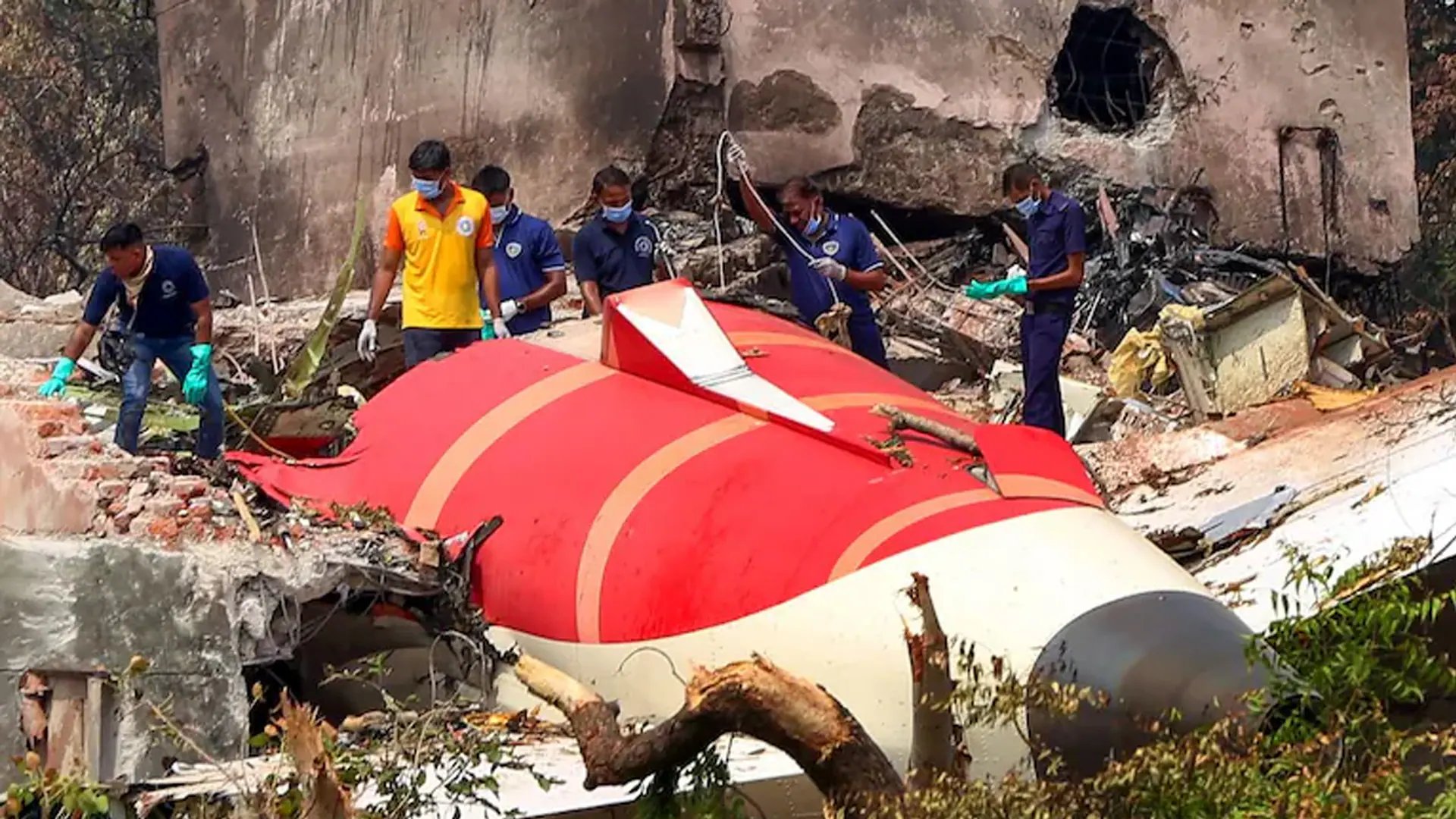
Capt. CS Randhawa’s letter to the AAIB on 12 June 2025 demanded a full forensic sweep of the Boeing 787’s electrical, electronic and avionics data, a move that could rewrite safety protocols for the fleet.
The request follows a series of technical notes the federation had filed with the DGCA and the Ministry of Civil Aviation, linking recurring 787 power‑generation anomalies to last year’s VT‑ANB accident in June 2025.
Randhawa highlighted that the aircraft’s ‘More Electric Aircraft’ architecture places critical systems—such as power‑distribution, integrated modular avionics and flight‑control computers—at the heart of operational safety, and that intermittent failures and software resets may hold the key to the AI‑171 tragedy.
The AAIB has acknowledged receipt of the federation’s dossier and is consulting a UK expert to parse the technical logs, ACARS transmissions and Built‑In Test Equipment reports, a collaboration that could set a new benchmark for cross‑border investigative cooperation.
In a statement, the AAIB director said the audit will cover maintenance records, deferred defects and reliability monitoring data, and that preliminary findings will be presented to the Ministry of Civil Aviation by March 2026.
The call has rattled pilots across India: An unnamed pilot, who lost a colleague in the crash, said the audit could finally bring closure and prevent future tragedies.
Officials now face an uphill task—balancing the demands of a high‑profile investigation with the logistical challenge of sifting through decades of data on a complex aircraft.