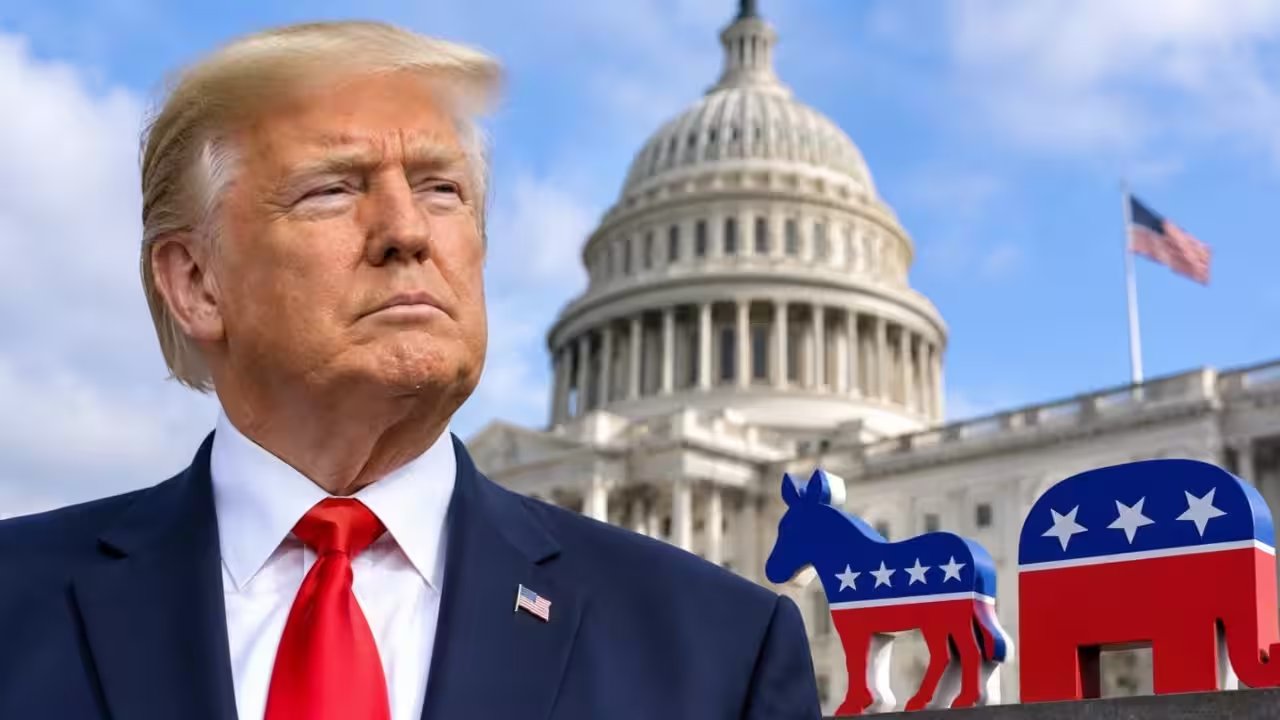
The November 2026 US midterm elections will not hand Democrats a switch to stop the war, but they will hand them a microphone loud enough to rattle the White House. A House takeover would allow the opposition to launch investigations into the administration’s handling of the conflict and publicly question its objectives. Yet Trump remains commander-in-chief, holding the sole authority to direct US military operations regardless of who holds the gavel in Washington.
Legal hurdles make forcing a retreat nearly impossible. Trump can veto any legislation restricting military operations, and overriding that veto demands a two-thirds majority in both chambers—a threshold Democrats are unlikely to reach even with significant gains. Lawmakers also face a grim reality: cutting funding for American troops already deployed in the region is a politically toxic move that few will dare to make.
The real leverage is economic and electoral. The Iran war has become a domestic headache, with rising energy prices and cost-of-living concerns weighing heavily on voters. A survey cited by the Washington Examiner found more than 70% of Americans want Congress to prioritize lowering living costs and ending the war by 2027. Even within Trump’s MAGA base, opposition to overseas military involvement is chipping away at his “America First” credibility, creating a fracture the opposition can exploit.
On the ground, the machinery of war keeps turning. NPR reported that US and Israeli preparations for renewed attacks have fueled expectations of escalation post-midterms. The US currently has two aircraft carriers in the Arabian Sea, with a third en route, while regional allies step up military exercises. These moves do not confirm an imminent strike, but they signal a readiness for a wider campaign.
Trump now faces three distinct paths: pull back for a negotiated settlement, maintain pressure through blockade and targeted strikes, or escalate the campaign against Iran and its allies. The election result will alter the political cost of each option, but the final decision remains with the White House. The next major diplomatic signal is expected within weeks of the vote, as both sides assess the new balance of power in Congress.