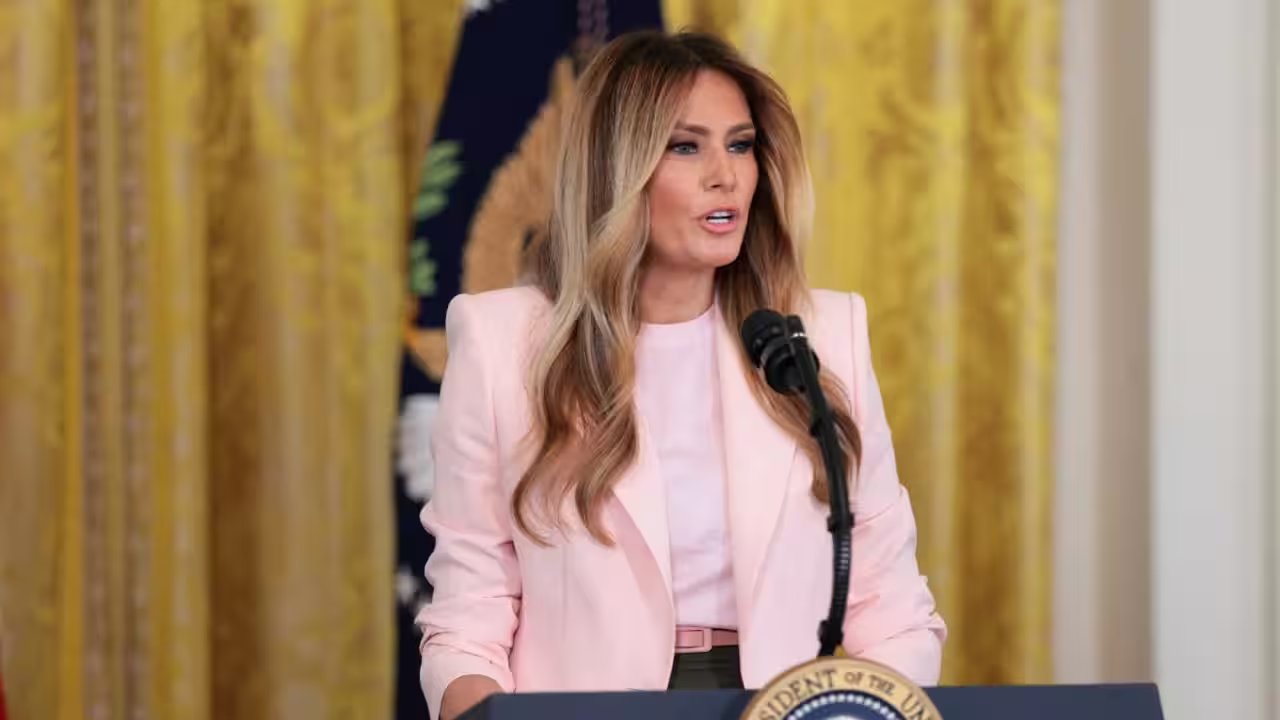
The White House confirmed on Tuesday that Melania Trump will receive representatives from both warring nations at 11 am EST on Thursday. The gathering focuses on a six-day truce in the Russian-occupied town of Oleshky, which concluded on November 1. This pause in fighting allowed emergency aid to reach the town and enabled civilians to exit for Ukrainian-controlled territory or Russia. The first lady is scheduled to deliver remarks on the operation, though the White House has not publicly named the specific attendees.
Ukrainian human rights ombudsman Dmytro Lubinets is expected to attend, according to a source told The Kyiv Independent. Russia’s human rights commissioner, Yana Lantratova, is also anticipated to be present. However, Lantratova faces a significant logistical hurdle: she is under US sanctions imposed in 2022. Her entry into the country requires a special waiver from the State Department, a bureaucratic step that adds friction to the high-level diplomatic display. A spokesperson for Lubinets declined to comment on the invitation.
The administration frames this as an independent initiative by the first lady, claiming she personally engaged with both countries to secure the truce in Oleshky and the surrounding Kherson region. Trump’s wife called the operation a success, stating that nearly 800 people were evacuated. Neither Kyiv nor Moscow has publicly confirmed this figure or the final destinations of those who left. This silence creates a gap between the White House’s narrative and the verifiable reality on the ground.
Le Monde reported that the humanitarian operation was actually negotiated over four months by Russia’s GRU and Ukraine’s HUR military intelligence agencies. Citing sources, the French newspaper alleged that the two sides agreed to credit Melania Trump with the ceasefire. The goal, according to the report, was to appease President Donald Trump as he seeks a breakthrough in broader peace negotiations. This suggests the White House event is less about humanitarian aid and more about political optics.
Oleshky has been under Russian occupation since 2022. Residents faced severe shortages of food, drinking water, electricity, and medical supplies in mid-2026, while Russian forces effectively blocked humanitarian organizations. Under international humanitarian law, Russia bears the responsibility for protecting civilians in occupied territory. The Kremlin has publicly ruled out further humanitarian operations of this kind in the foreseeable future.
The diplomatic landscape remains tense. Russia and the US have confirmed that trilateral talks aimed at ending the war will resume in Abu Dhabi on November 10 and 11. These negotiations had stalled in February amid the conflict in the Middle East. The outcome of the White House meeting could set the tone for these upcoming talks, though the authenticity of the ceasefire remains a point of contention.