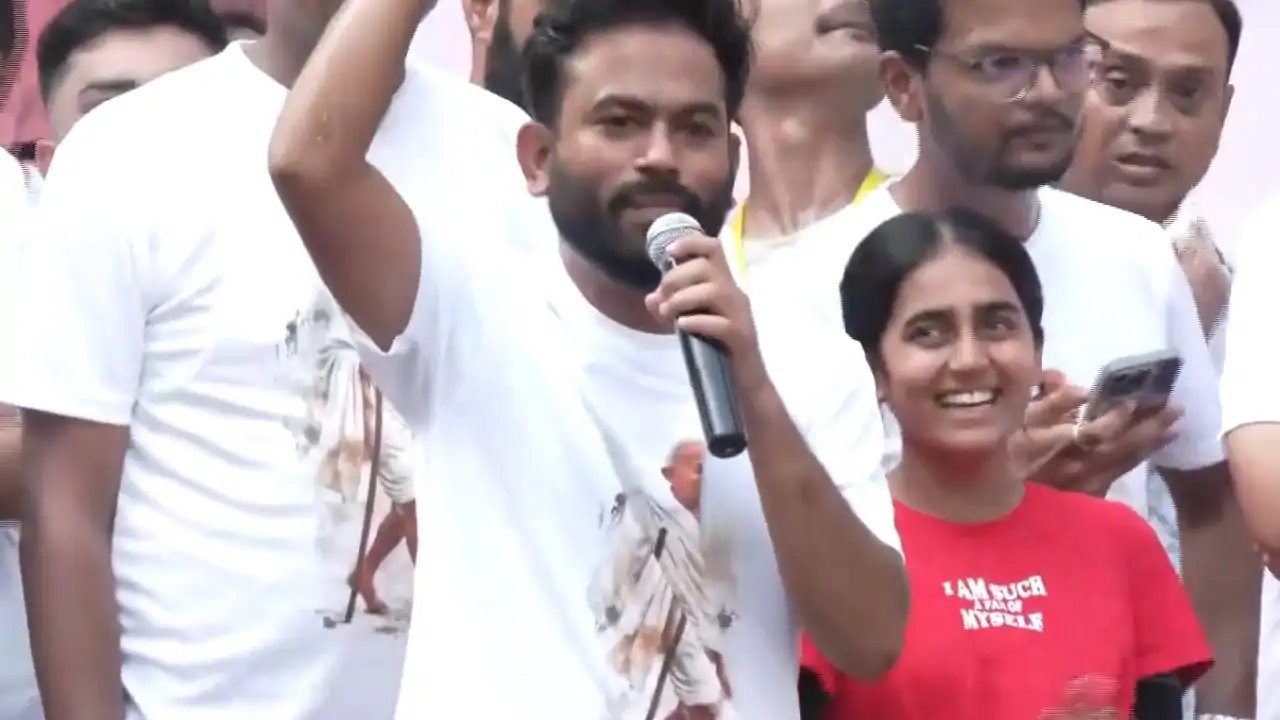
Abhijeet Dipke didn't mince words on Friday. The Cockroach Janta Party (CJP) founder declared that 'cockroaches from across India' will converge on the capital to protest at Jantar Mantar. The trigger is clear: if Chief Election Commissioner Gyanesh Kumar refuses to step down, the march proceeds on October 10. It’s a direct challenge to the Election Commission’s leadership.
Dipke took to X to lay out the logistics and the threat. He stated, 'If Gyanesh Kumar doesn’t resign, cockroaches from across India will march to Delhi & protest at Jantar Mantar on October 10.' But he didn't stop at the destination. He added a contingency plan for police intervention: 'If Delhi Police tries to stop us, wherever they stop us will become our Jantar Mantar.' It’s a provocative redefinition of public space.
The rhetoric is steeped in historical reference. Dipke framed the upcoming event as a 'peaceful andolan' (agitation), explicitly invoking the legacy of Mahatma Gandhi. 'We will walk on the path shown by Mahatma Gandhi,' he wrote. This sets the stage for a narrative of non-violent resistance against state power. The comparison is deliberate, aiming to moralize the protest against potential police crackdowns.
However, the shadow of recent unrest looms large. Dipke directly referenced the 'brutality we witnessed on July 20.' He put the onus on the Government and Delhi Police, asking whether they will respect the right to peaceful protest or repeat past aggression. This links the current political demand to a specific, painful memory of state force. The stakes are framed as a test of democratic conduct.
The ball is now in Delhi Police’s court. They must decide how to manage a march that could draw thousands, armed with the moral high ground of Gandhi’s legacy. Any heavy-handed response risks validating Dipke’s warning about repeating July 20’s brutality. The next 72 hours will see increased security planning in the national capital as the October 10 deadline approaches.