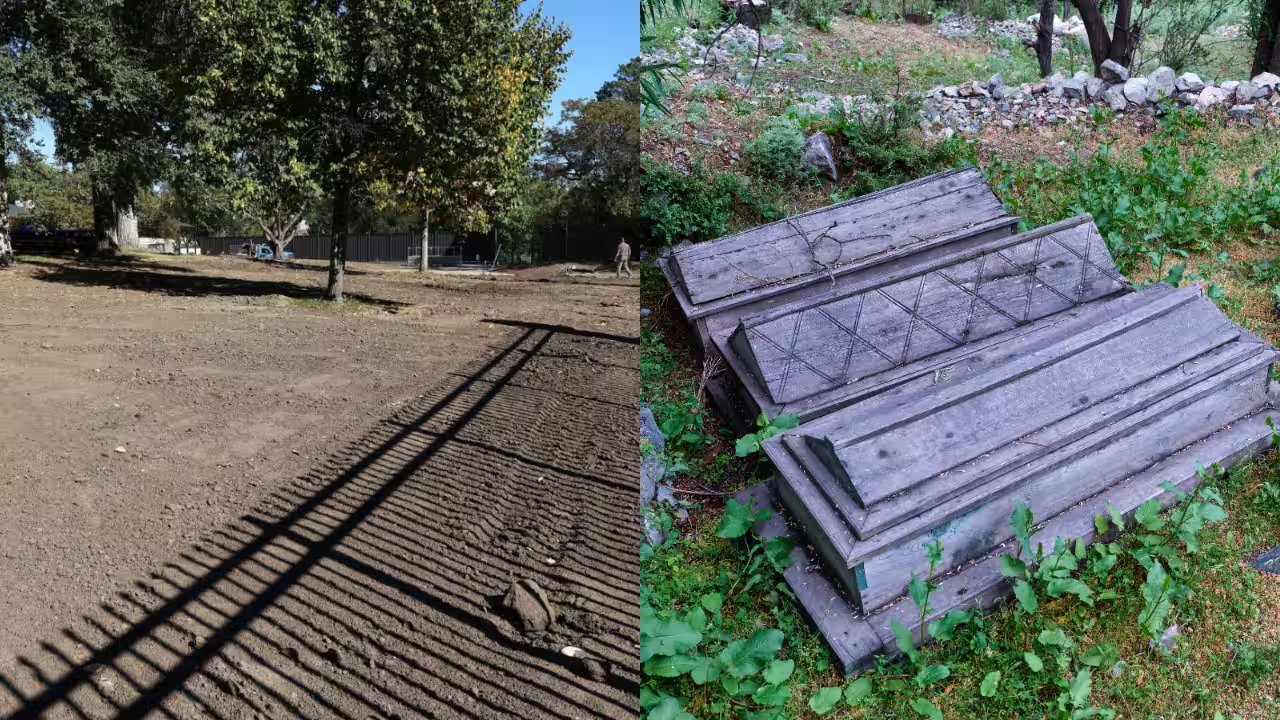
The $2.35 million fence and driveway extension at the Governor’s Residence in Bismarck turned from a routine upgrade into a dig site when workers on May 18, 2026 brushed aside soil to reveal a tangle of bone.
The burial ground below the property dates back to Bismarck’s first cemetery, active from 1873 to 1877, and had been partially cleared in the 1880s when many graves were moved to St. Mary’s and Fairview Cemeteries.
Archaeologists returned in September and scoured more than 80 potential sites, eventually extracting seven coffins and an unidentified wooden box. The recovery was completed by early September, and the remains are now stored in a climate‑controlled vault.
The next phase, slated to run through early 2027, will involve cataloguing the skeletons, estimating age and health indicators, and cross‑referencing period records. DNA work is excluded; the focus will be on physical anthropology and archival research.
This is not the first time the Capitol grounds have yielded bones. Remains were uncovered in 1903 during trolley line construction and again in 1959 when the previous governor’s residence was built. The latest find continues a pattern of hidden history beneath modern development.
State officials have contracted a local funeral home to handle the remains, and Crisis Care Chaplaincy will provide spiritual support. Once the examination wraps up, the bodies will be reinterred in a nearby cemetery during the spring of 2027. The archaeological work added an estimated $155,000 to the original budget, bringing the total cost to $2.505 million.