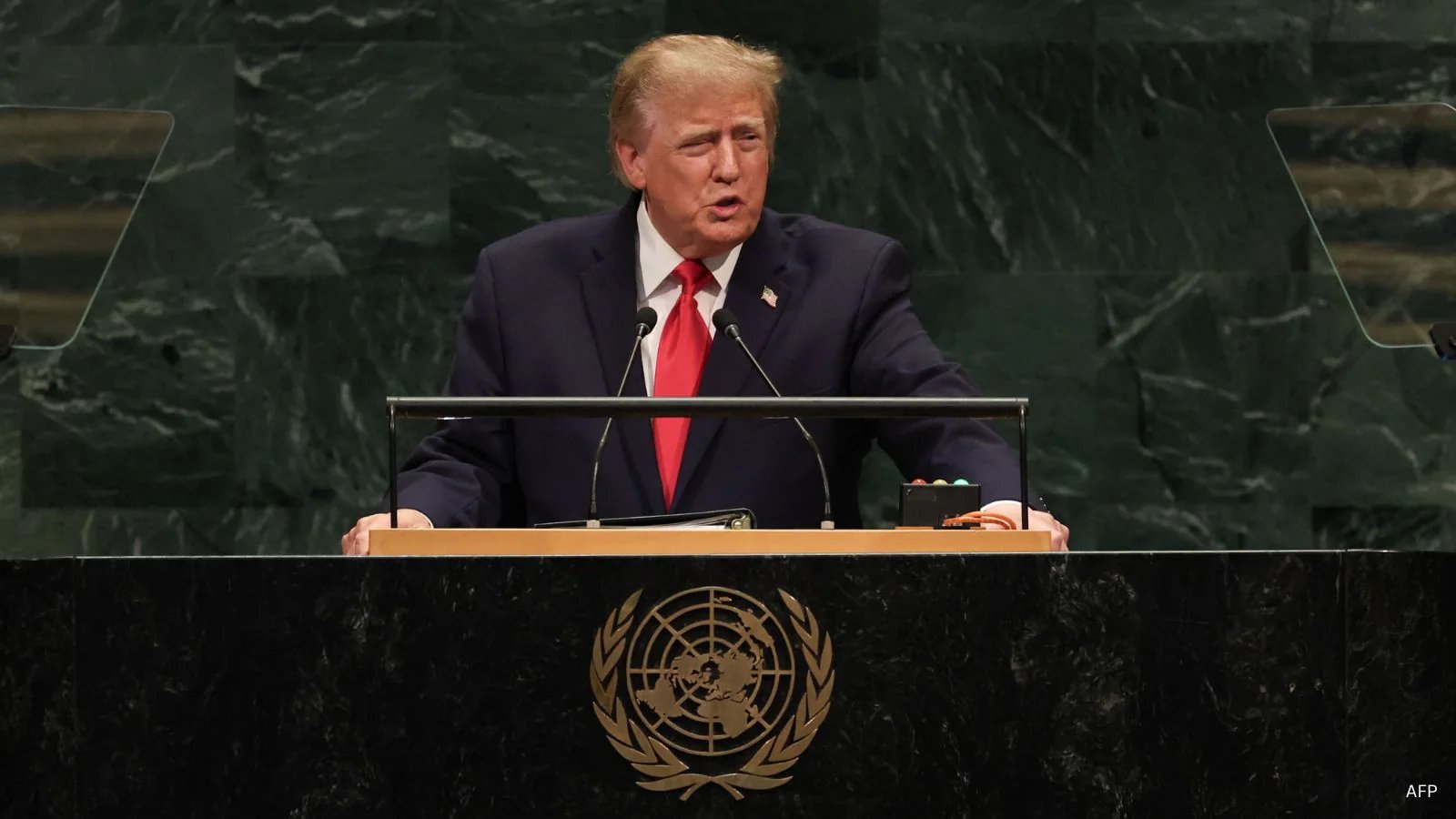
At the UN General Assembly on Tuesday, Trump declared that the U.S. would replace the phrase 'artificial intelligence' with 'super intelligence' in all federal documents, arguing that 'artificial' makes the technology sound "fake". He dismissed earlier AI warnings as a "globalist scheme", likening them to climate change denials. The president also reiterated his belief that AI does not pose an existential threat.
Trump said the new terminology would appear in policy papers, executive orders, and congressional reports, using the abbreviation "SI" to underscore the system's advanced capabilities. He insisted that calling the technology "super" better reflects its potential, and added that the term "artificial" is misleading. He compared the AI debate to climate change rhetoric, highlighting the consensus among scientists on human causation.
On Truth Social, the 80‑year‑old president announced the formation of an "AI Force" to regulate the industry, promising to appoint an AI czar soon. He warned that Democrats are spreading hoaxes about AI, the Russia‑Ukraine war, and global warming, and vowed to protect the AI sector from what he calls "destruction". Trump pledged that the executive branch would nurture the industry rather than stifle it.
In the same week, leaders of more than 20 countries called for binding safety rules for advanced AI, warning that its rapid development could outpace regulatory control. China and the United States are negotiating a communication channel for AI concerns ahead of a Washington summit between Trump and President Xi Jinping scheduled for Thursday. The move follows a growing global debate over the governance of emerging technologies.