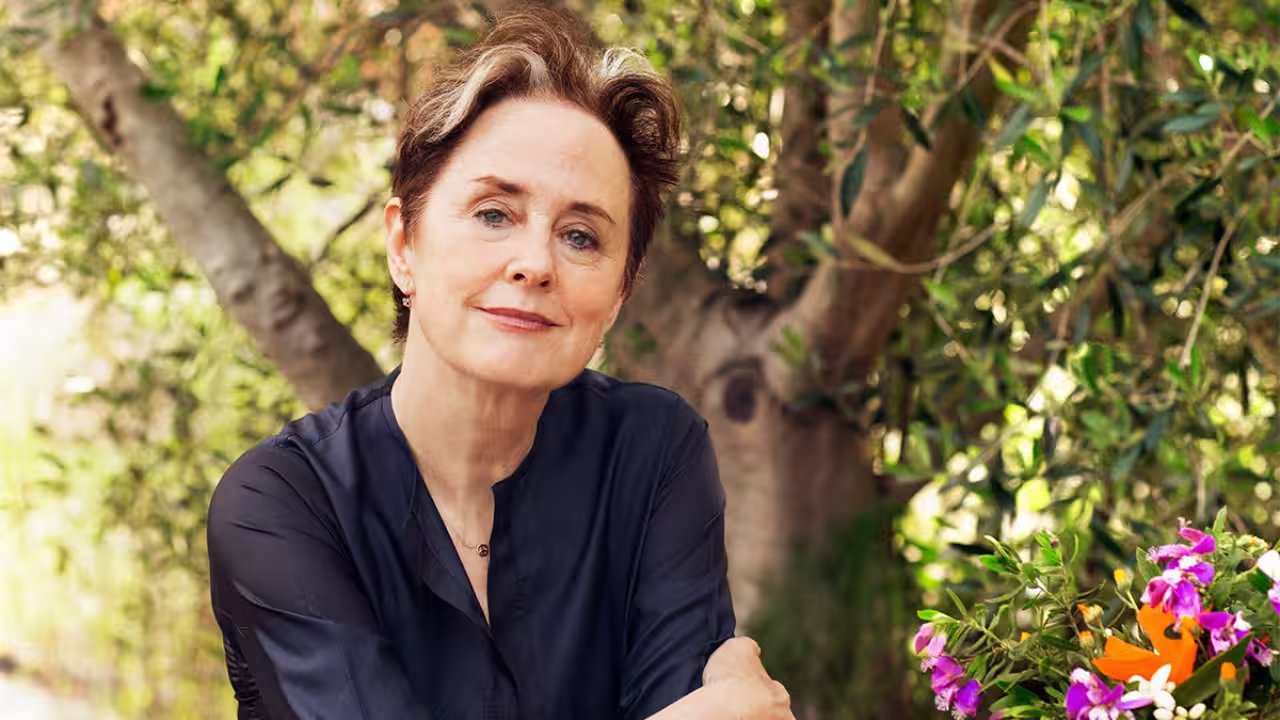
Chef Alice Waters began the Edible Schoolyard Project in 1995 after spotting an overgrown plot at Martin Luther King Jr. Middle School in Berkeley, California, and converting it into an organic garden and functional kitchen—turning a neglected asphalt patch into a living classroom.
The project has exploded from that single site into a global network of 5,800 programmes in 75 countries and 53 U.S. states and territories, according to the Edible Schoolyard Network registry. Each site adapts the model to local climate, funding and community needs while maintaining the core goal of teaching children through food.
At the Berkeley campus, students plant, harvest, and cook as part of the regular timetable, linking hands‑on work to science, history and mathematics lessons. The curriculum guides, published by the organisation, explain how soil science, crop history, and math skills translate into real‑world kitchen and garden tasks.
Early successes helped the Berkeley district expand its meal programme, paving the way for universal breakfast initiatives and a greater use of locally sourced produce. These changes demonstrated how a food‑education model can influence broader school nutrition policies.
The network’s online platform now hosts free teaching materials, advice exchanges, and a directory of global initiatives, empowering teachers and volunteers to replicate the model. Organisers continue to push for food and environmental education to become a regular part of children’s schooling worldwide.