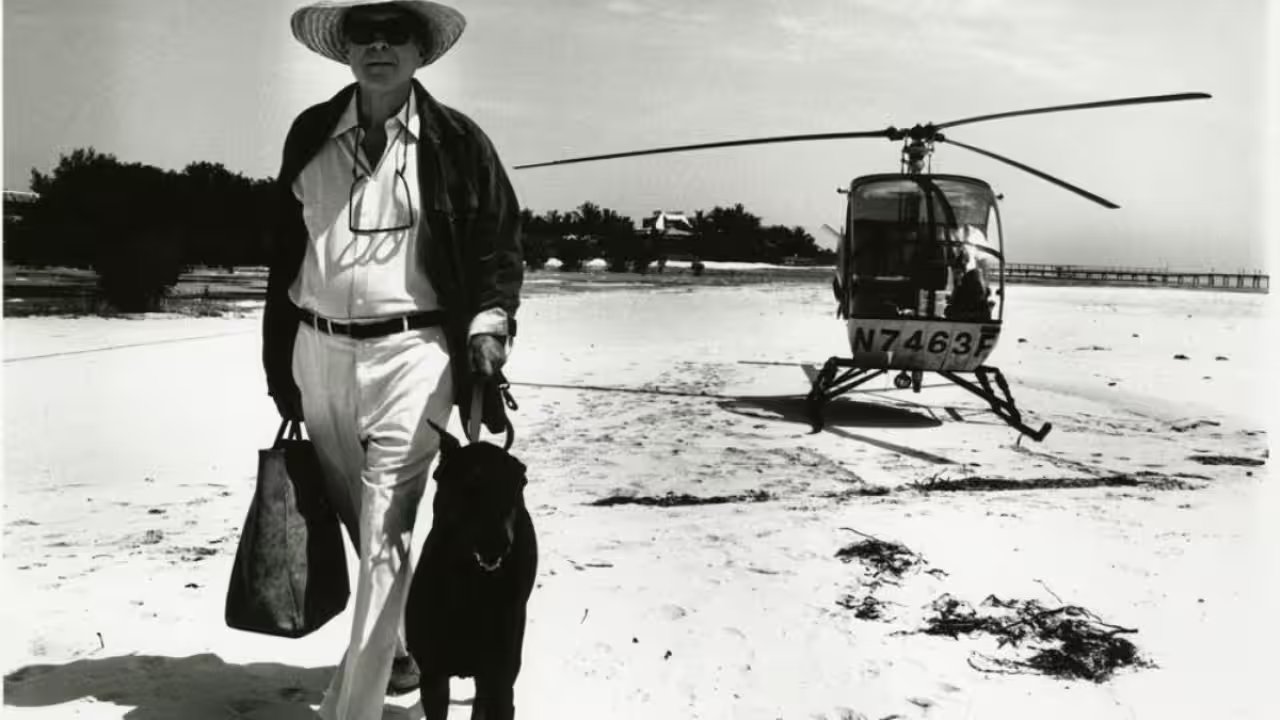
The 14-acre island of Ballast Key, located nine miles west of Key West, is now permanently under federal protection. This transfer, executed by The Nature Conservancy and the US Fish and Wildlife Service, eliminates the final privately owned parcel within the Key West National Wildlife Refuge boundary. The deal secures the site against commercial development ending a decades-long conservation effort.
David Wolkowsky, the late property developer known as "Mr. Key West," purchased the island in the early 1970s. For nearly 50 years, he managed the remote retreat, hosting cultural icons like Tennessee Williams, Truman Capote, and Jimmy Buffett. Wolkowsky, who died in 2018 at age 99, explicitly requested the island remain undeveloped, a condition now enforced by federal law.
Biologists from the US Fish and Wildlife Service identified the island as a critical habitat for endangered species. The sandy beaches and shallow tidal flats support nesting populations of brown pelicans, magnificent frigatebirds, and sea turtles. Surrounding seagrass beds provide shelter for wading birds, nurse sharks, and bonefish, making the site vital for the Florida Keys marine ecosystem.
The federal government has repurposed Wolkowsky's three-story main house and guest house for scientific use. These structures now house visiting marine biologists and university scholars studying climate resilience. The island's infrastructure, including a private desalination plant and solar power systems installed by Wolkowsky, remains in place to support this research.
Historical archives confirm the island's cultural impact, including its role as a villain's hideout in the 1989 James Bond film Licence to Kill. Wolkowsky's legacy extends beyond conservation; he transformed Key West from a naval outpost into a tourist hub while preserving its historic character. The permanent addition of Ballast Key ensures the southernmost private land in the contiguous US remains a protected wilderness.