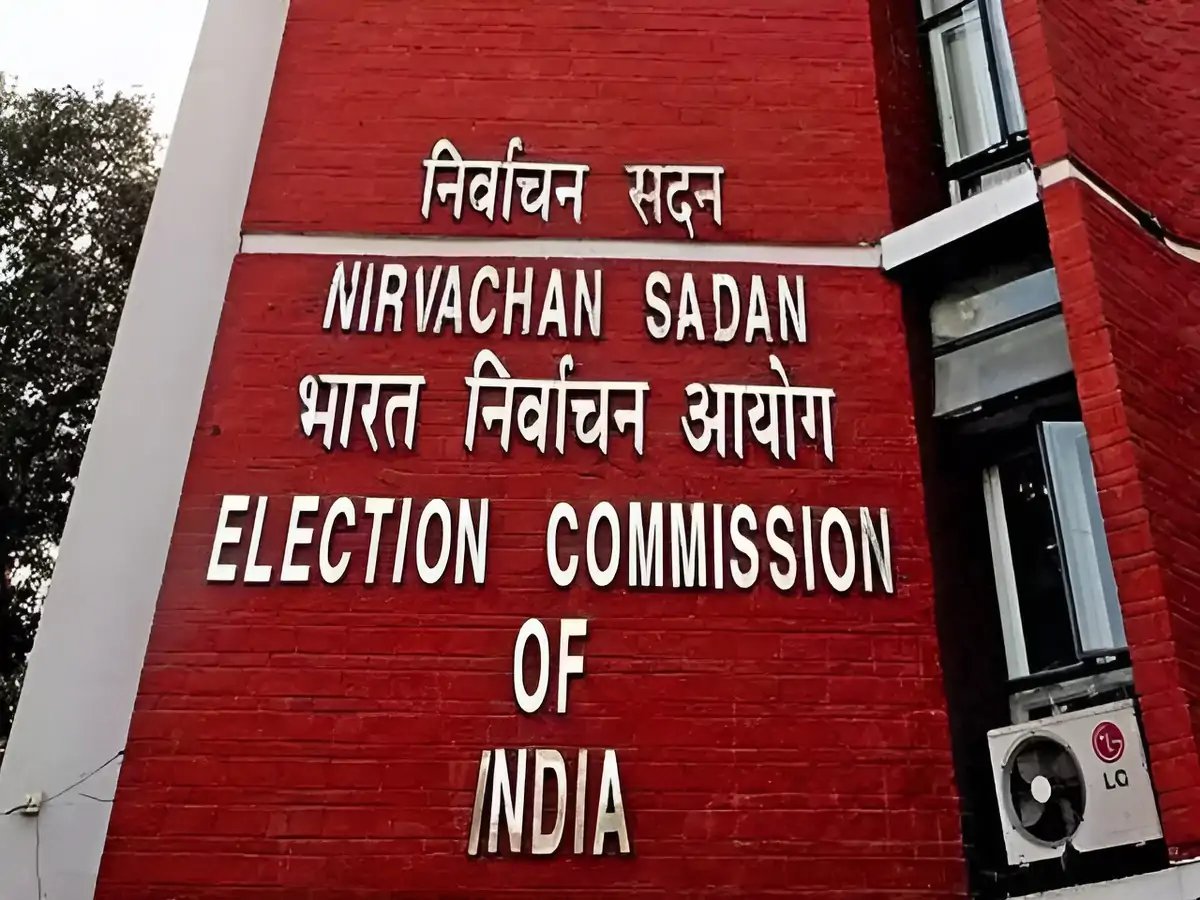
On October 16, the Election Commission of India answered an RTI application from activist MA Mujeeb Ayyub by withholding the name and version of the ECINET software used to flag errors in the Special Intensive Revision exercise, citing Section 8(1)(d) of the RTI Act for commercial confidence and trade secrets.
The refusal came as Congress general‑secretary Jairam Ramesh blasted the commission on X, claiming the software was at the heart of a “massive, centralised manipulation” that tainted the SIR and demanding Chief Election Commissioner Gyanesh Kumar resign and the exercise be halted.
ECINET, developed by Tata Consultancy Services, is said to employ AI and machine learning to identify anomalies in voter rolls, yet the ECI says the information sought amounts to “clarifications” rather than factual disclosure under the Act, raising questions about safeguards against false flagging.
Voters in Karimnagar, Telangana, where Ayyub resides, say the opaque process erodes trust, as families fear wrongful exclusion from the roll; an independent audit is called for by opposition leaders.
The next hearing on the SIR’s legality is set for November 12, when the court will decide whether the commission’s refusal violates the right to information and whether the election schedule must be revised.