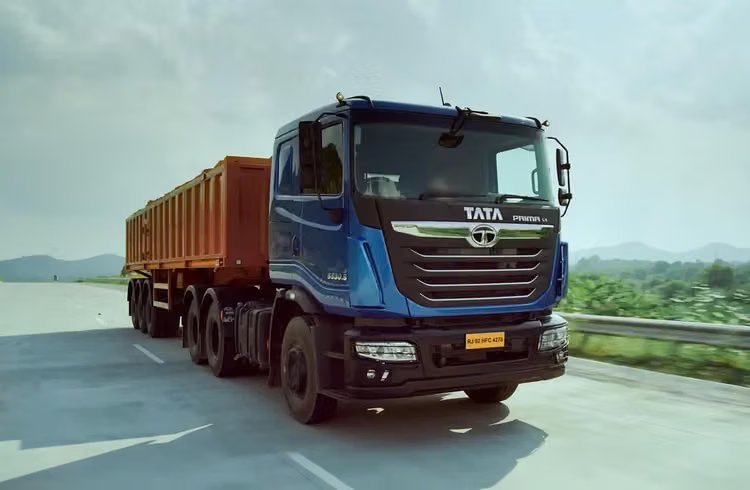
The company flipped a ₹867‑crore loss into a ₹1,254‑crore profit in Q2FY27, a turnaround that hinges on disciplined cost control and efficient operations. The CFO highlighted that even as steel and rubber prices spiked, the firm kept margins steady through targeted pricing and operational tweaks.
Revenue hit ₹25,338 crore, a 36‑percent jump YoY, with wholesale volumes climbing 42‑percent to 135,100 units. Domestic sales grew 30‑percent, while exports surged 177‑percent, underscoring the brand’s expanding global footprint.
Consolidated EBITDA margins edged up to 10.9‑percent, and on a standalone basis they were 11.7‑percent. Cash positions are healthy: ₹11,300 crore on a standalone basis and ₹15,900 crore consolidated, giving Tata a cushion to bankroll new projects.
For buyers, the improved financial health means Tata can afford to invest in the next wave of electric commercial vans and buses, potentially keeping prices competitive against rivals like Mahindra and Ashok Leyland that are also ramping up EV output.
Policy shifts, such as the 2026 EV mandate for commercial fleets and the new duty structure on imported batteries, will test Tata’s ability to scale production. The company’s fresh cash flow should help it meet compliance without aggressive price hikes.
Looking ahead, Tata plans to roll out the next generation of its electric platform in 2027, with initial deliveries slated for major metros. Keep an eye on the launch window and the pricing strategy for the new electric models.