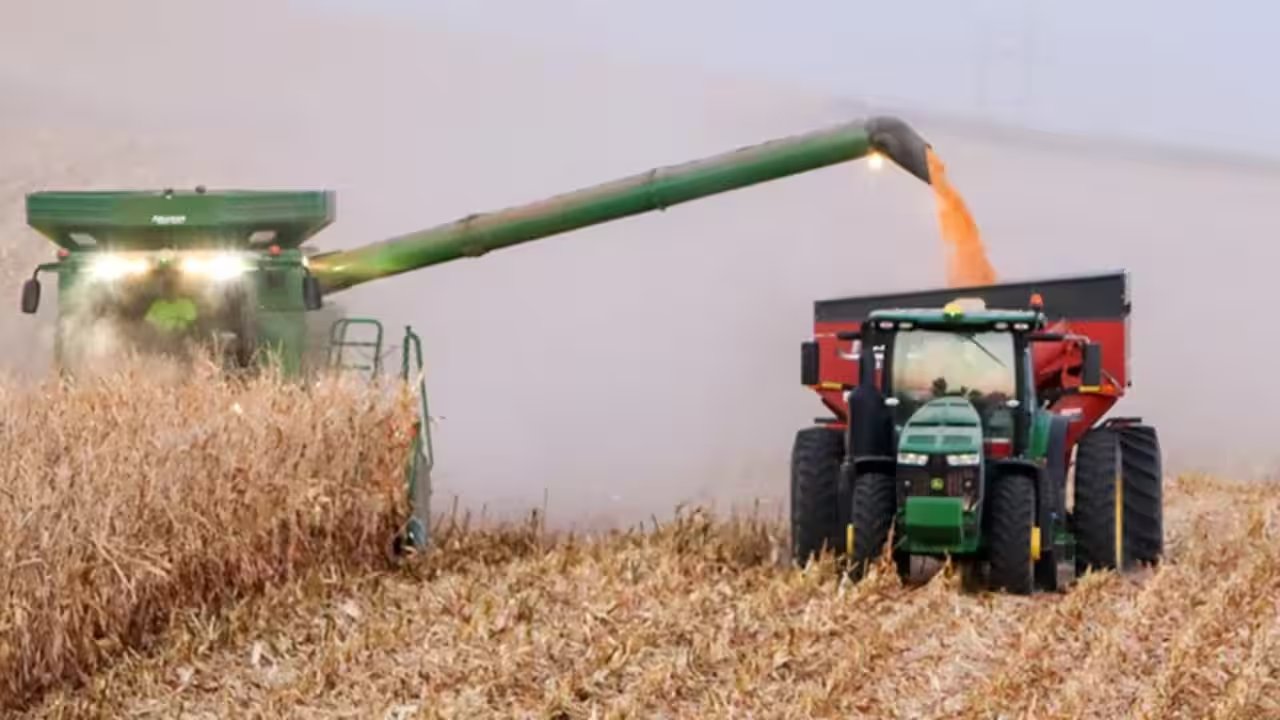
Volunteer farmers in Gruver, a small Texas Panhandle town, turned 640 acres of donated farmland into a $400,000 annual scholarship fund. The money supports roughly 300 students pursuing college degrees or trade certifications. This isn't a corporate endowment or a wealthy benefactor's charity. It’s dirt, diesel, and local pride.
The land belongs to the Gruver Independent School District, a gift from Karl Nielsen, a Danish immigrant who died in 1984 at age 105. Nielsen never married and lived with his sister for decades. Before his death, he left the property—equivalent to one square mile—to the school district. For years, the district leased the land for about $25,000 annually, using the cash to buy books and science equipment. That was a small return on a massive asset.
Then, around 2012, Superintendent David Teal and farmer Chad Logsdon sat in a pickup truck at a football game and changed the plan. Teal realized farming the land could yield far more than leasing it. He proposed using the profits to send local kids to college. Logsdon agreed. They formed the Gruver Farm Scholarship Foundation that year. The model relies on volunteers: farmers bring tractors, seeds, and labor without pay. Agricultural companies donate fertilizers. Local businesses chip in cash. The foundation coordinates the planting and harvesting of corn and wheat, selling the crops to market.
The foundation spent four years building its capital before writing its first check. In 2016, it distributed $350,000 to graduating seniors. Those students went to West Texas A&M, Texas Tech, and even WyoTech in Wyoming for diesel mechanics training. Selection isn't just about grades. Students earn points for sports, debate, and community service—like mowing lawns for elderly neighbors or setting up tables for church picnics. Superintendent Wade Callaway calls it “growing graduates and good neighbors.”
By November 2024, the foundation had awarded $2.5 million to 277 students. Newer reports from Texas Today put the total at nearly $3 million for approximately 300 recipients. Individual awards can reach $40,000. About 48 of those students are first-generation college graduates. Many have returned to the Panhandle as teachers, nurses, and farmers. The next harvest is already in the ground, and the scholarship queue keeps growing.