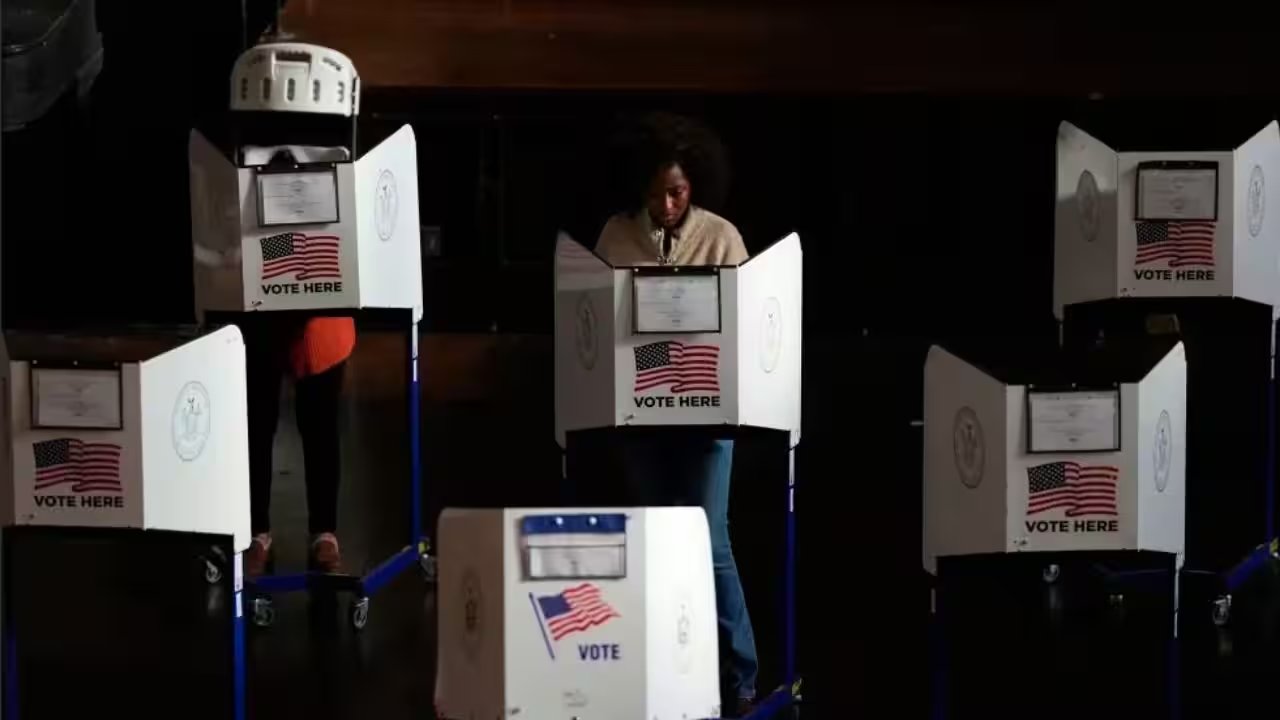
The exodus is real. Issue One’s February 3 analysis counted 250 chief election officials who walked away from their jobs across 11 Western states in just five years. That is a 50 percent turnover rate. It’s not just burnout. The Brennan Center for Justice found that 38 percent of local officials faced threats, harassment, or abuse in 2025 alone.
In Maricopa County, Arizona, the response has been physical. Election officials installed bulletproof glass, restricted entry systems, and emergency panic buttons wired directly to local law enforcement. Tina Barton, co-chair of the Committee for Safe and Secure Elections, told WBUR’s On Point on October 29 that the threats have evolved. We are no longer just dealing with angry callers. Drones are hovering over counting facilities. Suspicious packages containing unknown powders are arriving in mailboxes. Cyberattacks are probing election networks.
Barton’s organization responded by doubling down on training. They conducted over 140 sessions for local officials and police in 2026, more than double the 2024 figure. The goal is de-escalation. Workers learn to spot a suspicious package, recognize aggressive behavior, and contact emergency services without escalating a confrontation. Yet, the federal safety net is fraying. A Brennan Center report from April 13, 2026, highlighted concerns that cuts to federal election security support have left local authorities scrambling to cover their own costs.
The human cost is staggering. More than half of surveyed officials now fear that intimidation will make it impossible to recruit enough workers for Election Day. In the West, roughly 76 percent of those departures were voluntary, suggesting the fear is personal. States are reacting with legislation. The Brennan Center’s 2024 guide documents new federal and state measures designed to criminalize intimidation of election workers. But as the midterm clock ticks down, the question remains whether these laws can fill the empty chairs in county election offices.