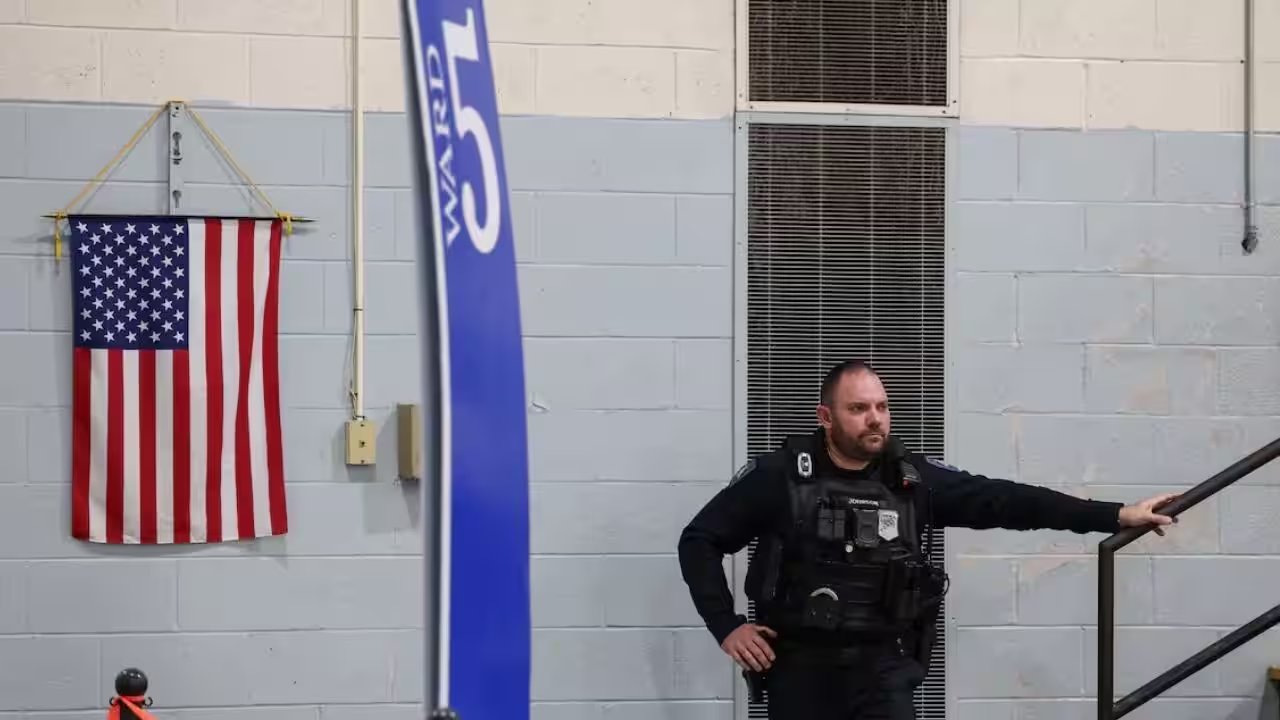
The US Justice Department unleashed its largest election monitoring operation to date on Tuesday, sending roughly 1,000 observers to polling places in all 50 states. Assistant Attorney General Harmeet K Dhillon framed the initiative as a push for transparency, insisting the department acted in an "assertive and nondiscriminatory manner." The monitors are strictly limited to observing compliance with federal voting laws; they hold no power to investigate cases or stop anyone from casting a ballot.
Critics argue the deployment is a thinly veiled attempt at voter suppression. The monitors targeted jurisdictions where Black and Latino voters constitute the majority, specifically areas where Kamala Harris beat President Donald Trump in the 2024 election. These districts are pivotal for Senate control, making them flashpoints in the upcoming midterms. The NAACP Legal Defense Fund immediately challenged the strategy, arguing that the presence of federal staff—initially including sworn law enforcement officers—would chill voter turnout. The DOJ eventually pulled several officers from the volunteer pool after the backlash.
The tension spiked in California, where a legal war over 20,000 mail-in ballots is already raging. Federal officials alleged these ballots were issued to noncitizens. The Supreme Court rejected the administration’s bid to block California from counting them on Monday night, but the 9th US Circuit Court of Appeals subsequently reversed its stance, allowing federal prosecutors to threaten local election workers. This legal whiplash left administrators scrambling for clarity as polling day approached.
California Attorney General Rob Bonta vowed to counter the federal presence by deploying state observers to watch the feds. Los Angeles Mayor Karen Bass went further, labeling the deployment an intimidation tactic and accusing the administration of preparing to dispute results if the outcome didn't match their preferences. The next critical moment comes as local courts finalize rulings on ballot handling, with the risk of legal challenges to the final tally looming large.