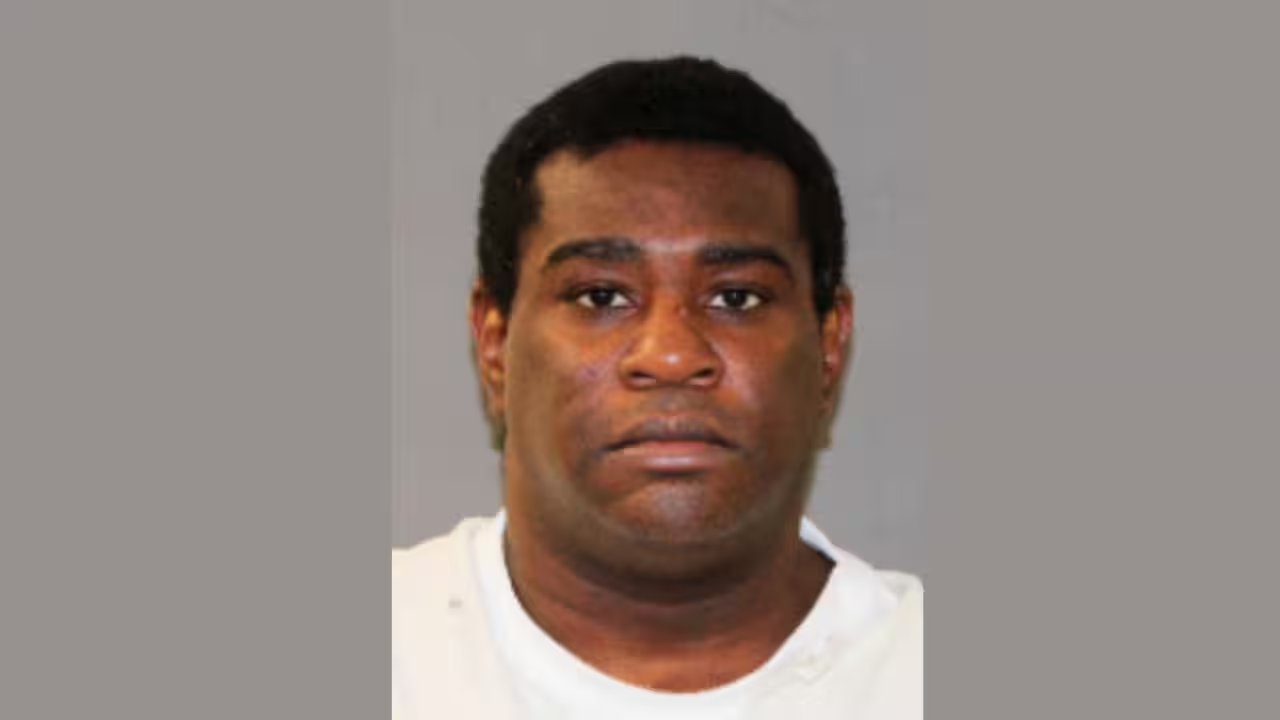
Jamaal Howard, 46, stands on the precipice of death as Texas officials prepare to administer the lethal injection on Wednesday. The state seeks to execute him for the 2000 capital murder of Vickie Swartout, a 42-year-old convenience store clerk in Silsbee, a quiet town roughly 161 km northeast of Houston. If the state proceeds, Howard becomes the 30th person executed in the United States this year.
The crime scene was stark: Howard, just 20 years old at the time, shot Swartout once in the chest during a robbery. Surveillance footage, presented to the jury, captured the moment he fired. He made off with a modest haul—$114 and a carton of cigarettes—before fleeing. Court records confirm the single shot was fatal.
But the legal battle has shifted from the facts of the shooting to Howard’s mental state. His defense team argues he is intellectually disabled, a condition that the US Supreme Court ruled in 2002 bars from execution. The state of Texas counters that Howard has failed to provide sufficient evidence to meet the legal threshold for this exemption. Howard has personally petitioned the Supreme Court to halt the execution, but the high court has granted states broad discretion in determining who qualifies.
The timing is fraught with tension. Just last week, a botched execution attempt in Tennessee left inmate Christa Pike awake and speaking while hospital staff administered treatment, sparking fresh scrutiny on lethal injection protocols. In Texas, two other executions are already scheduled. If Howard dies, he will be the seventh person the state has put to death this year.